
















Gold and magnets-two fascinating elements, can they interact? Have you ever wondered if magnets attract gold? You've probably heard that magnets attract all metals, but gold doesn't seem to fit that mold. In this article, we'll explore whether gold can be magnetized, why it doesn't react to magnets, and what makes certain metals magnetic. Let's uncover the truth about magnets and gold and learn about the mysteries of the world of magnetism!
What is magnetism
Magnetism is a fundamental physical property of matter that determines whether it reacts to a magnetic field. You may have noticed that certain metals, such as iron, nickel, and cobalt, are attracted to magnets, while others, like gold, silver, and copper, are not. This is due to differences in the arrangement of their atoms and electrons. Next, I'll explain the basics of magnetism, how to distinguish between magnetic and nonmagnetic materials, and why metals like iron and nickel react to magnetic fields.
Basic concepts and principles of magnetism
Magnetism is the ability of a substance to react to an external magnetic field. This reaction primarily stems from the motion of electrons within the substance. Simply put, magnetism can be viewed as a manifestation of electron spin and orbital motion. Electrons within a substance, under the influence of a magnetic field, exert an external magnetic force, manifesting as attraction or repulsion.

Differences between magnetic and non-magnetic materials
Magnetic materials are those that are attracted or repelled by a magnetic field. Materials like iron, cobalt, and nickel fall into this category. Non-magnetic materials like gold, aluminum, and copper, on the other hand, don't react to magnetic fields at all. Their atomic arrangement isn't magnetic, and their electron spin doesn't create an overall magnetic field.
Why do metals such as iron and nickel respond to magnetic fields?
Metals like iron and nickel respond to magnetic fields because their atomic structure and electron arrangement make them highly magnetic. Iron's electrons are free to spin in the presence of a magnetic field. This free electron spin makes metals like iron attractive to magnets, creating what we call ferromagnetism.
Which metals are attracted to magnets?
In everyday life, we often see magnets attracting certain metals, but not all metals are attracted to magnets. You might be surprised to learn that only certain metals react strongly to magnetic fields. Below, I've listed several common metals that are attracted to magnets, along with their characteristics.
List of metals that can be attracted by magnets
These metals are all ferromagnetic metals, and they will show a strong magnetic response in a magnetic field.
|
Metal |
Characteristic |
|
Iron |
Iron is the most common magnetic metal and has strong magnetism. |
|
Nickel |
Nickel is also a magnetic metal and is commonly used in batteries and alloys. |
|
Cobalt |
Cobalt has strong magnetism in strong magnetic fields and is often used to make permanent magnets. |
|
Steel |
Steel contains iron, so it is also attracted to magnets. |
|
Chromium |
Chromium has some magnetic properties, although not as strong as iron and nickel, but it still reacts. |
Ferromagnetism of Magnetic Materials
Ferromagnetism refers to the ability of certain metals to magnetize and retain their magnetism in a magnetic field. This phenomenon stems from the spin and orbital motion of electrons in metals. In metals like iron, nickel, and cobalt, the electron spins align in a consistent direction, creating a strong magnetic field. This allows these metals to exert a significant attraction in response to an external magnetic field.
Definition and distinction between ferromagnetism, paramagnetism and diamagnetism
Ferromagnetic: Ferromagnetic materials exhibit strong magnetism when exposed to an external magnetic field and retain their magnetism even after the field is removed. Metals such as iron, nickel, and cobalt fall into this category.

Paramagnetism: Paramagnetic substances have weak magnetism. When an external magnetic field is present, they are weakly attracted to the magnetic field, but when the field is removed, the substance no longer has magnetic properties.

Diamagnetic: materials produce magnetism in the opposite direction of the magnetic field when exposed to a magnetic field, which manifests as a slight repulsion. Copper and gold belong to this category.

Do magnets affect gold?
Although gold itself is not magnetic, magnetic fields can still have a certain effect on gold in certain circumstances. Next, I will explain how gold behaves in a magnetic field and the application of magnets in gold processing.
Gold is affected by magnetic fields under certain conditions
As a non-magnetic metal, gold is not generally attracted by magnets. However, under certain circumstances, gold can be affected by magnetic fields. For example, when gold alloys contain magnetic elements, the entire alloy may react to the magnetic field. This typically occurs when gold is mixed with other metals, and the effect is relatively minor.

Application of magnets in the gold processing industry
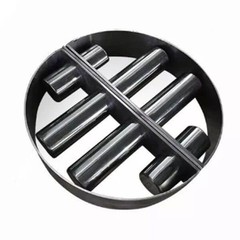
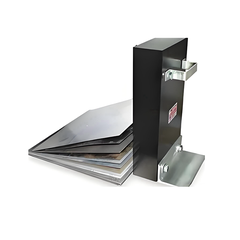
In the gold processing industry, magnets are primarily used to separate ores or metals containing magnetic impurities. This is because during the gold refining process, some ores or impurities may become magnetic. Using magnets can effectively separate these unwanted substances, improving the gold's purity. Magnets can also be used to remove impurities such as iron filings during metal processing.
How does the magnetic field affect the physical properties of gold?
While gold itself is not attracted by magnetic fields, strong magnetic fields can affect its microstructure. Extremely strong magnetic fields can sometimes alter a metal's electrical conductivity, hardness, or other physical properties. However, these effects are usually minimal, especially at the magnetic field intensities commonly encountered in everyday life, and are negligible for gold.
Comparison of the magnetic properties of gold with other metals
Gold, a precious metal, is often mistakenly believed to be magnetic. However, gold's magnetic properties differ significantly from those of other precious metals. Below, we'll delve into the differences in gold's magnetic properties compared to other metals and explore common misconceptions.
Differences in magnetic properties between gold and other precious metals
Compared to gold, other precious metals like silver and platinum also exhibit relatively weak magnetism. In fact, gold, silver, and platinum are all non-magnetic metals, meaning they don't experience significant attraction in a conventional magnetic field. However, under certain extreme conditions, these metals can be affected by weak magnetic fields. In contrast, metals like iron, cobalt, and nickel exhibit significant magnetism because they are ferromagnetic and are strongly attracted to magnets.
Why do people mistakenly believe that gold is magnetic?
Many people mistakenly believe that gold is magnetic, perhaps because they encounter gold jewelry with magnetic alloys or metal plating. Certain metal jewelry may contain magnetic components such as iron or nickel, which attract magnets when exposed to a magnet. However, these metal platings do not have the magnetic properties of gold itself. Another misconception may arise from mixing gold with other metals, particularly low-purity gold alloys, which can exhibit slight magnetism.
Magnetism of gold alloys with other metals
Gold's magnetic properties change when alloyed with other metals. Gold alloys containing iron or nickel may exhibit slight magnetism. Generally, the purer the gold, the weaker its magnetism; however, other components in the metal mixture may also react to magnetic fields.
Why do people think magnets attract gold?
Although gold is a non-magnetic metal, you may hear some people claim that magnets attract gold. This misconception stems from a lack of understanding of gold's inherent magnetic properties. Let's examine the root causes of these misconceptions.
Common misunderstandings and misconceptions
Many people mistakenly believe that all metals are magnetic, especially shiny metals like gold, which might give the impression of possessing some special magnetic properties. In fact, gold is a non-magnetic metal and is not attracted to magnets like iron, cobalt, or nickel. This misconception often stems from a lack of understanding of the basic principles of metal magnetism.
Misunderstandings due to the influence of magnetic alloys or gold-plated items
Often, gold jewelry isn't pure gold, but rather an alloy mixed with other metals. The magnetic metal in the alloy can cause the entire item to be attracted to a magnetic field, misleadingly suggesting that gold itself is magnetic. Additionally, some metal items may be gold-plated; the magnetism comes from the metal plating, not the gold itself.
Misunderstandings about gold-plated and gold-filled items
Gold-plated and gold-filled items are also a common source of misconception. Gold-plated items are covered with a thin layer of gold, which may contain a magnetic metal substrate. When you hold a magnet near these items, the magnetic metal is attracted, giving the illusion that the gold is attracted to the magnet. Similarly, gold-filled items may be made of metals containing iron or nickel, making the entire item appear magnetic in a magnetic field.

conclusion
Generally speaking, gold itself is not magnetic; it is a non-magnetic metal. Many people mistakenly believe that gold is attracted to magnets. This is primarily because gold is often alloyed with other metals or gold-plated items, which can be magnetic. Understanding the true magnetic properties of gold can help you avoid common misconceptions. If you have further questions about gold's magnetism, I hope this article will help you gain a clearer understanding of its properties
Questions and Answers
Why isn't gold attracted to magnets?
Gold's atomic structure makes it diamagnetic, meaning it cannot be attracted by magnets.
Can a magnet attract copper and silver?
Copper and silver are non-magnetic metals and are not attracted to magnets.
Which metals are attracted to magnets?
Iron, cobalt, nickel, and their alloys are common ferromagnetic metals that are attracted to magnets.
Do magnets only attract certain metals?
Yes, magnets only attract ferromagnetic metals. Non-magnetic metals are not attracted to magnets.