











If you've ever worked on a construction site, you know that tying rebar isn't just another task it's what keeps reinforcement stable before concrete pouring. A single loose tie can shift steel bars and weaken the entire structure. No wonder experts say proper rebar tying reduces onsite errors by up to 30%!
Today, tying rebar is no longer only a manual job. With modern Rebar Tying Machines, workers can complete ties 5–7 times faster, reduce injuries, and improve consistency.
In this guide, you'll learn exactly how to rebar tie wire around rebar, whether you're tying by hand or using a rebar tying machine. Let's get into it!
What Is Rebar Tie Wire?
Rebar tie wire is the flexible wire you use to fasten intersecting rebar so it stays firmly in place before concrete is poured. Its purpose is not to add structural strength, but to hold the reinforcement exactly where the engineer designed it. Without proper tie wire, rebar can shift during vibration or pouring, leading to weak spots or structural defects.
The Role of Rebar Tie Wire in Concrete Reinforcement
When you secure rebar with tie wire, you prevent movement that could compromise alignment, spacing, or load paths. This ensures your concrete structure cures with correct reinforcement placement.
How Rebar Tie Wire Works in Construction
You wrap and twist the wire around rebar intersections to lock them together temporarily. The concrete later becomes the permanent strength, but the tie wire ensures everything stays stable until then.
Types of Rebar Tie Wire
Rebar tie wire comes in several materials and coating options, and choosing the right one helps you improve tying efficiency and prevent premature corrosion. Each type offers different flexibility, durability, and environmental resistance, so selecting the correct wire ensures smoother work and longer-lasting reinforcement.
Black Annealed Tie Wire
You'll use black annealed wire when you want maximum flexibility and easy twisting. It's soft, economical, and ideal for most indoor or general construction projects where corrosion risk is low.

Galvanized Tie Wire
Galvanized tie wire protects your reinforcement in outdoor, humid, or coastal environments. Its zinc coating resists rust, helping you maintain rebar integrity over long-term exposure.

Electro Galvanized Rebar Tie Wire
If you need a cleaner appearance and higher surface uniformity, electro-galvanized wire is your best choice. It offers consistent coating thickness, smooth feeding for tying tools, and reliable corrosion resistance for medium-duty applications.

Tools You Need for Rebar Tying
To tie rebar efficiently and safely, you'll need the right combination of manual tools, wire formats, and protective gear. The tools you choose directly affect your tying speed, consistency, and overall jobsite productivity.
|
Tool Category |
Tool Name |
What It Does |
When to Use It |
|
Manual Tools |
Rebar pliers |
Helps you grip and twist the tie wire easily for traditional hand-tying |
Small or medium projects; low tie volume |
|
Rebar hook |
Allows faster twisting with reduced wrist strain; ideal for repetitive ties |
When you need higher manual tying efficiency |
|
|
Wire Formats |
Pre-cut tie wire pieces |
Saves time with uniform lengths; improves tie consistency |
Standard tying tasks with repeated intersections |
|
Loose coil tie wire |
Let's you cut any length needed; flexible for complex layouts |
Irregular, large, or custom rebar configurations |
|
|
Automatic Tools |
Rebar tying machine |
Ties 5–7faster than manual methods; reduces fatigue and labor cost |
High-volume tying work, slabs, mesh, precast |
|
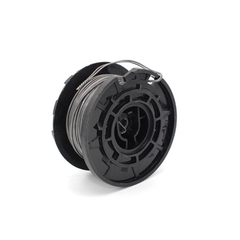
Machine-compatible wire reels |
Designed for smooth feeding; prevents jamming inside the tying gun |
When using a rebar tying machine for efficiency |
|
|
Safety Gear |
Gloves, eye protection, safety boots |
Protects you from sharp wire ends and jobsite hazards |
Always required during any rebar tying operation |
How to Rebar Tie Wire Around Rebar - Step-by-Step Instructions
You can tie rebar quickly and securely by following a simple, repeatable process. Each step ensures the bars stay stable during vibration and concrete placement.
Step 1 - Cut or Prepare the Rebar Tie Wire
Cut a piece of tie wire long enough to wrap and twist easily. If you use pre-cut wires, simply pick one and bend it slightly for faster handling.
Step 2 - Wrap the Tie Wire Around the Rebar Joint
Place the wire under the crossing bars, bring both ends upward, and cross them over the joint.
Step 3 - Twist the Wire Securely
Use pliers or a hook to twist the wire until tight. Avoid over-twisting so the wire doesn't break.
Step 4 - Snip Excess Wire and Inspect the Tie
Cut extra wire ends and check that the tie is firm, clean, and holding the bars in position.
Common Rebar Tying Methods in Building Construction
Different rebar tying methods offer varying strength, speed, and stability. Understanding these techniques allows you to choose the appropriate method for your project, improving efficiency and structural reliability.
Single-Loop Tying
For a quick and easy tying method, use this one. Simply wrap the wire around the joint once and tighten. This method is ideal for light intersections where speed is more important than strength.
Double-Loop Tying
For a more secure fixation, choose double-loop tying. Wrap the wire twice around the joint before tightening; this provides extra grip and better resistance to concrete vibration.
Saddle Tying
Saddle tying is ideal for vertical rebar. Place the wire like a "saddle" on the upper rebar and then tighten both ends below. This method helps maintain precise alignment of the rebar.
Figure-Eight Ties
For heavy-duty reinforcement, use figure-eight ties. The steel wire is wound into a figure-eight shape to securely fix the two steel bars. This method is ideal when maximum stability is required in load-bearing areas.
How to Rebar Tie Wire Around Rebar Using a Tying Gun
A rebar tying gun helps you speed up work, reduce fatigue, and achieve consistent ties across large projects. If you want higher efficiency and cleaner results, this tool can significantly improve your workflow.
When to Use a Rebar Tying Gun
Use a tying gun when you face high tying volume slabs, mesh, foundations, or precast work. It's ideal when you need faster production and uniform tie strength.
Loading Tie Wire Into the Gun
Open the reel compartment, place the compatible wire coil inside, and feed the wire through the guide slot. Make sure the coil spins freely to avoid jamming.
Executing the Tie
Position the gun over the rebar intersection and pull the trigger. The machine automatically wraps, twists, and tightens the wire. Always check that the tie is secure before moving to the next joint.
Mistakes to Avoid When Learning How to Rebar Tie Wire Around Rebar
When you're new to tying rebar, a few common mistakes can slow down your work or weaken the reinforcement. Knowing what to avoid helps you tie faster, safer, and with more confidence.
One mistake is over-twisting the wire, which can cause breakage and force you to redo the tie. Another is leaving the tie too loose, allowing the rebar to shift during concrete placement. You should also avoid using the wrong wire gauge too thin and breaks easily, or too thick and is hard to twist.
If you use a tying gun, don't forget to check wire compatibility, or the tool may jam. Finally, always trim sharp wire ends to prevent injuries and maintain a clean, safe jobsite.
Best Practices to Improve Efficiency and Tie Strength
To tie rebar faster and achieve more secure reinforcement, you can follow a few proven best practices. First, keep your wire organized and use pre-cut pieces when you want consistent, repeatable ties. This helps you reduce wasted time and maintain uniform quality. If you're working on large slabs or mesh, consider switching to a rebar tying gun its speed and consistent tension can dramatically boost productivity.
You should also check bar spacing before tying, because correcting misalignment later takes more effort. Finally, always inspect your ties after twisting to ensure every joint is tight, clean, and ready for concrete placement.
Conclusion
Learning how to rebar tie wire around rebar is one of the most essential skills for safe, reliable concrete reinforcement. When done correctly, it prevents shifting, ensures structural stability, and reduces costly rework. With the right wire type, proper tying method, and consistent quality checks, any crew can achieve professional-grade results.
If you're ready to source high-quality rebar tie wire for your next project, explore our solutions built for strength, flexibility, and real-world construction demands.
FAQ
Q: Can I reuse the tie wire that has already been twisted?
A: No. Once the tie wire has been twisted, it develops metal fatigue and cannot provide reliable holding strength again. Always use a new tie wire for each tie.
Q: What safety gear should I wear when tying rebar?
A: You should wear cut-resistant gloves, safety glasses, and protective footwear. This helps prevent injuries from sharp wire ends, rough rebar surfaces, or unexpected movements on the jobsite.
Q: When should I upgrade from manual tying to a rebar tying machine?
A: If you need to tie hundreds or thousands of intersections per day, switching to a tying machine will dramatically increase efficiency and reduce worker fatigue. Large construction sites and precast factories commonly rely on tying machines for productivity.
Q: What's the difference between black annealed and galvanized tie wire?
A: Black annealed wire is softer and easier to twist, making it ideal for most indoor and general construction tasks. Galvanized wire offers better corrosion resistance and is suitable for outdoor, humid, or coastal environments. Choose based on the conditions of your project.
Q: Can I use regular tie wire in a rebar tying machine?
A: It's not recommended. Tying machines require machine-compatible wire reels that are precisely wound for smooth feeding. A regular loose wire is likely to jam or damage the tool.