











Did you know that even particles as small as 1 micron can damage industrial equipment or contaminate products? Ferromagnetic impurities, steel fragments, or metal debris are among the most common contaminants in manufacturing, from food processing to plastics and chemicals. That's why I'm excited to show you how magnetic rods offer one of the most efficient, low-maintenance, and cost-effective solutions on the market!
In this guide, we'll dive into how magnetic rods work, where they're used, how to choose the right type, and how to integrate them properly into your process. Whether you're facing quality control challenges or looking to optimize production safety, this article will help you make smarter decisions with confidence.
What Are Ferromagnetic Impurities?
Ferromagnetic impurities are tiny but harmful metal particles that can easily enter your production process without being noticed.
Definition and Common Sources

Ferromagnetic impurities include iron, steel, and other magnetic metal fragments that end up in your materials. They often come from equipment wear, contaminated raw materials, or metal debris introduced during transportation. In many factories, these particles range from visible chips to micron-sized dust that's nearly impossible to detect without proper magnetic separation.
Why They Are Dangerous for Industrial Processes
These impurities can damage your equipment, scratch or clog processing machinery, and compromise the quality of your final product. Even small metal fragments can cause compliance issues, product recalls, or serious safety risks for your customers.
What Are Magnetic Rods?
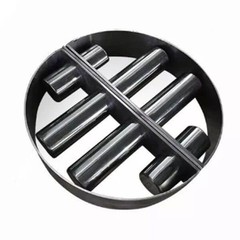
Each rod is built with a durable 304 or 316 stainless steel housing, ensuring strength and corrosion resistance in your process environment. Inside, you'll find either neodymium magnets for maximum strength or ferrite magnets for high-temperature stability. Their sealed construction and smooth surface finish make cleaning easier and prevent material buildup.
How Do Magnetic Rods Work?
Magnetic rods work by creating strong magnetic field gradients that attract ferrous particles as your material passes by. When you place the rods directly in the flow, metal fragments are pulled to the rod's surface and held there, even if they're extremely fine. This simple yet effective process enables you to continuously remove contamination, protect your equipment, and maintain a clean final product without slowing down your production.
Benefits of Using Magnetic Rods to Remove Ferromagnetic Impurities
Using magnetic rods provides a more reliable method for keeping your products and equipment free from metal contamination.
High Capture Efficiency
Unlike mesh filters that let fine metal dust slip through, magnetic rods use high-gauss strength to capture even micron-sized ferrous particles. This helps you achieve a much cleaner material flow and tighter quality control.
Low Maintenance and Easy Cleaning
You can clean magnetic rods quickly by wiping the trapped particles off manually, or by using sleeve-type designs that let you pull the sleeve off and remove contaminants in one motion, saving you time and effort.

Long Term Cost Savings
By removing metal fragments early, you reduce equipment wear, prevent costly downtime, and lower your overall quality control expenses.
Common Applications of Magnetic Rods
Magnetic rods are versatile tools that can be easily applied to a variety of production environments, providing a reliable way to prevent metal contamination and avoid costly problems.
Powder and Bulk Material Handling
If you are handling flour, grains, plastic pellets, or chemical powders, magnetic rods can help capture metal fragments within hoppers, chutes, and pneumatic conveying lines. This protects downstream equipment and keeps materials clean from the start.
Liquid and Slurry Handling
In liquid or slurry applications, such as with chocolate, oils, dairy products, paints, or chemical mixtures, magnetic rods can be installed in filters or pipe traps to remove fine iron particles before they enter critical equipment.
Recycling, Mining, and Metal Recovery
You can use magnetic rods in recycling and mining processes to recover valuable ferrous materials or prevent metal debris from damaging crushers, mills, and sorting equipment.
Food, Pharmaceutical, and High-Purity Industries
For high-purity production, magnetic rods help ensure your products are protected from metal contamination, helping you meet stringent safety standards.
How to Remove Ferromagnetic Impurities Using Magnetic Bars
Removing ferromagnetic impurities becomes easier by following a simple, structured approach and adapting it to your production needs.
Step 1 – Determine Material Characteristics
First, understand the type of material you are processing: powder, liquid, slurry, or granules. Consider flow rate, temperature, and particle size to select a magnetic bar that matches the material's characteristics.

Step 2 – Choose the Appropriate Magnetic Bar Type
Select a magnetic bar or magnetic assembly suitable for your equipment: a single magnetic bar for confined spaces, a magnetic grid for high-flow-rate materials, or a liquid trapping magnet for pipelines. Choose the appropriate magnetic strength and stainless steel material to ensure durability.
Step 3 – Install the Magnetic Bar in the Correct Position
Place the magnetic bar where the material flows directly. Correct positioning increases contact time and improves trapping efficiency, especially for fine particles.
Step 4 – Regular Inspection and Maintenance
Clean the magnetic bar according to a set schedule, check for wear, and test the magnetic force to ensure long-term stable separation performance.
Key Factors to Consider When Selecting Magnetic Rods
Choosing the right magnetic rods helps you get better separation performance and longer equipment life, so it's worth taking time to match each feature to your process.
Magnetic Strength
Make sure the Gauss level fits your industry needs. High-purity food and pharma lines often require stronger neodymium rods, while general bulk handling may need moderate strength. Selecting the right neodymium grade ensures you capture even the finest particles.
Size, Length, and Diameter Requirements
Choose dimensions that fit smoothly into your hopper, pipeline, or chute system. The rod should be long enough to cover the material flow and wide enough to provide a strong magnetic reach.
Housing Material and Surface Finish
Decide between 304 and 316 stainless steel based on corrosion resistance. For food and pharmaceutical applications, a mirror-polished finish helps you maintain hygiene and reduce buildup.
Working Temperature and Environment
Check the temperature of your operation. High heat may weaken neodymium, so ferrite magnets are a better choice in hot environments or harsh processing conditions.
Comparing Magnetic Rods with Other Separation Methods
Understanding how magnetic rods compare to other options helps you choose the most efficient setup for your process.
Magnetic Rods vs Mesh Filters
Mesh filters struggle to catch fine metal dust, especially when particle sizes drop below the mesh rating. Magnetic rods capture much smaller ferrous particles without restricting flow or causing a pressure drop.
Magnetic Rods vs Magnetic Drums or Belts
Drums and belts work well for large-volume or bulk separation, but they require more space and a higher investment. Magnetic rods offer a compact, low-cost solution for inline or small-area installations.
When to Use Multiple Separation Stages
If your material has heavy contamination or strict purity requirements, combining rods with screens, traps, or magnetic drums gives you stronger overall protection.
|
Category |
Magnetic Rods |
Mesh Filters |
Magnetic Drums / Belts |
Recommended Use |
|
Capture Efficiency |
⭐ Excellent at capturing very fine ferrous particles (micron-sized) |
❌ Cannot capture fine metal dust |
⭐ Effective for larger metal pieces |
For removing ultra-fine contamination → Use magnetic rods |
|
Impact on Material Flow |
✔ No blockage and minimal flow resistance |
❌ Easily clogs and increases pressure drop |
✔ Suitable for high-volume flow |
If you want a smooth, continuous flow → Choose magnetic rods |
|
Installation Space |
Requires very little space |
Compact |
Requires more space |
For tight installation areas → Magnetic rods fit best |
|
Cost Level |
Low cost |
Low cost |
Higher investment |
For cost-efficient separation → Magnetic rods |
|
Maintenance & Cleaning |
✔ Very easy to clean (manual or sleeve-type quick cleaning) |
❌ Frequent cleaning or replacement needed |
Moderate maintenance |
To reduce maintenance time → Magnetic rods |
|
Typical Applications |
Powders, liquids, granules, food, chemical processing |
Basic filtration |
Bulk materials, mining, recycling |
Fine separation → magnetic rods; large-scale bulk → magnetic drums |
|
Use in Multi-Stage Systems |
Works well as a primary or secondary separation |
Useful as a pre-filter |
Effective for coarse separation |
For strict purity levels → Use multi-stage separation (rods + filters/drums) |
Common Problems and How to Avoid Them
Even with strong magnetic field gradients, you may run into performance issues if your rods aren't used or maintained correctly.
Magnetic Rod Not Capturing Enough Impurities
If you notice lower capture efficiency, check whether the Gauss strength matches your material needs. You may also need better contact between the material flow and the rod surface to maximise the magnetic field reach.
Metal Buildup on Rods Too Quickly

Heavy buildup often means your upstream process is introducing excessive metal. You can reduce this by adding a pre-filter stage or increasing cleaning frequency to keep separation performance stable.
Incorrect Installation Issues
Improper placement can reduce contact time and weaken the effect of magnetic field gradients. Make sure your rods sit directly in the material stream and are spaced correctly for even coverage.
Conclusion
Removing ferromagnetic impurities with magnetic rods is one of the most reliable, efficient, and cost-effective ways to protect your production line. Whether you're working with powders, liquids, slurries, or high-purity materials, magnetic rods help you maintain product quality, extend equipment life, and meet global safety standards with confidence.
If you're ready to upgrade your magnetic separation system or need custom-engineered magnetic rods designed for your process, now is the perfect time to act. Visit GME Magnet at https://www.gme-magnet.com/
to get expert support and a tailored solution that fits your production needs.