


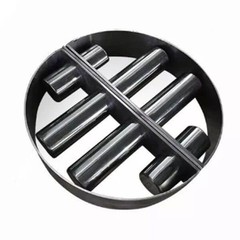
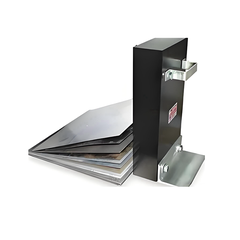


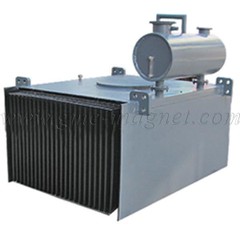
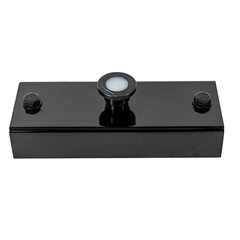
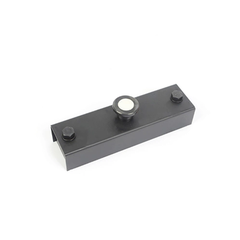



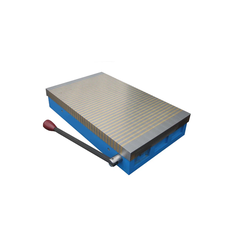


If you machine steel plates, mold bases, or other ferrous parts, choosing the right magnetic chuck can make a big difference. Setup time drops. Tool access improves. And your milling process can become much more efficient. On GME's current magnetic chuck page, magnetic chucks are already positioned as a practical workholding solution for milling machines and CNC machining centers, with benefits such as increased efficiency, stable holding, and reduced workpiece damage. This article focuses on one key question industrial buyers really care about: how do you choose the right magnetic chuck for your milling application?
Why Magnetic Chuck Selection Matters in Milling
When you choose a magnetic chuck for milling, you are not just selecting a holding tool. You are choosing a workholding solution that affects your setup time, machining stability, and overall efficiency. If the chuck does not match your workpiece material, size, thickness, or milling operation, you may face poor holding performance, vibration, or limited cutter access. A suitable magnetic chuck helps you hold ferrous parts more securely, reduce unnecessary setup time, and create a more open machining area. This means you can improve productivity, protect workpiece quality, and make your milling process more stable, practical, and efficient.
What Is a Magnetic Chuck for Milling?
A magnetic chuck for milling gives you a more efficient way to hold ferrous workpieces while keeping the machining area more open and accessible.
Why It Is Used in Milling
You use a magnetic chuck in milling because it can help you hold steel workpieces more quickly and more efficiently than many traditional clamping methods. Instead of relying on bulky vises or clamps, a magnetic chuck secures the workpiece from below, giving you better access for face milling, side milling, drilling, and other operations. This can reduce setup time and make part changeover easier, especially when you process flat steel plates, mold bases, or similar ferrous parts. For you, this means a cleaner machining area, fewer obstructions around the workpiece, and a better chance to improve machining efficiency, stability, and overall productivity.
Main Types of Magnetic Chucks for Milling Applications
Different milling tasks may require different magnetic chuck types, so understanding their features and applications can help you choose a more suitable solution for your workpiece and machine.
Permanent Magnetic Chuck
A permanent magnetic chuck does not need a continuous power supply, which makes it simple to use and easy to maintain. It provides stable holding force for many standard milling applications and is often a practical choice for flat steel workpieces, mold bases, and general machining jobs. If you want a reliable and cost-effective solution for the routine milling of ferrous parts, this type can be a good option.
Electromagnetic Chuck
An electromagnetic chuck generates a magnetic force through electricity, allowing you to control magnetization during operation. It is often used in industrial environments where adjustable holding is important. You may consider this type for larger workpieces or specific milling processes that require flexible control.
Electro Permanent Magnetic Chuck
An electro-permanent magnetic chuck combines strong holding performance with efficient operation. It uses power only during magnetizing and demagnetizing, which can improve convenience and safety. This type is well-suited for CNC milling, heavy-duty machining, and applications where you need stable holding with higher efficiency.


Benefits of Using the Right Magnetic Chuck in Milling
When you choose the right magnetic chuck for milling, you can make your setup process faster, your machining area cleaner, and your overall production more efficient.
Faster Setup and Changeover
You can reduce the time spent positioning, clamping, and changing workpieces, which helps improve workflow in daily milling operations.
Better Tool Access
Because the workpiece is held from below, you get a more open machining area and fewer obstructions around the cutting zone.
Stable Holding Performance
A suitable magnetic chuck helps you hold ferrous parts more securely, which can reduce movement, vibration, and instability during milling.
Reduced Workpiece Damage
Compared with some mechanical clamping methods, magnetic holding can apply force more evenly and lower the risk of localized pressure marks or deformation.
Higher Productivity
With quicker setup, better access, and more stable holding, you can improve machining efficiency and keep your milling process more productive overall.
Key Factors to Consider When Choosing a Magnetic Chuck
Before choosing a magnetic chuck for milling, you should review your workpiece, machine, and machining requirements to make sure the solution matches your actual application.
|
Factor |
What You Should Consider |
Why It Matters |
|
Workpiece Material |
Check whether your workpiece is a ferrous material, such as steel or other magnetic metal. |
Magnetic chucks are mainly suitable for ferrous workpieces. If the material is not magnetic, the chuck will not provide effective holding. |
|
Workpiece Size and Thickness |
Review the length, width, thickness, and contact area of the workpiece. |
Larger and thicker workpieces usually provide better magnetic holding conditions, while very thin or small parts may need more careful evaluation. |
|
Workpiece Shape and Surface Condition |
Confirm whether the workpiece has a flat and stable contact surface. |
Flat surfaces usually allow better contact with the chuck, which helps improve holding stability during milling. |
|
Milling Operation Type |
Identify whether you are doing face milling, side milling, drilling, or light profiling. |
Different milling operations create different cutting forces, so the chuck should match the actual machining load and process. |
|
Machine Type and Table Size |
Check your milling machine or CNC machining center model, as well as the table dimensions. |
The magnetic chuck should fit the machine table properly to ensure stable installation and effective use of the working area. |
|
Precision and Stability Requirements |
Consider your requirements for flatness, positioning, vibration control, and machining consistency. |
Higher precision applications need more stable holding and better matching between the chuck, workpiece, and machine. |
|
Standard Model or Custom Solution |
Decide whether a standard product is enough or whether your application needs a custom size or special design. |
Some milling applications have special requirements, so a custom solution may provide a better fit and better machining performance. |
Common Milling Applications for Magnetic Chucks
Magnetic chucks are especially useful in milling applications where you need secure holding, faster setup, and better access around ferrous workpieces.
Steel Plates and Flat Workpieces
You can use a magnetic chuck to hold steel plates and other flat ferrous parts more efficiently during milling. It helps create a cleaner setup and gives you better access for machining.
Mold Bases and Die Components
For mold bases and die components, a magnetic chuck can provide stable holding and reduce setup complexity. This is helpful when you want to improve machining efficiency on larger steel parts.
CNC Machining Centers
In CNC machining centers, magnetic chucks are often used to improve part change speed and keep the work area more open. For you, this means easier access for milling operations and a more practical workholding solution for many steel applications.

Common Mistakes When Selecting a Magnetic Chuck for Milling
When you select a magnetic chuck for milling, avoiding common mistakes can help you reduce risk and choose a more effective workholding solution.
Ignoring Workpiece Thickness or Contact Area
If you do not consider workpiece thickness or contact area, the holding performance may not meet your machining needs. Thin or small-contact parts often need more careful evaluation.
Mismatching Chuck Size and Machine Table
If the chuck size does not match your machine table, installation and workholding efficiency may be affected. Proper size matching helps you use the work area more effectively.
Overlooking Machining Forces
Different milling operations create different cutting forces. If you overlook this point, the selected chuck may not provide suitable support during machining.
Assuming All Magnetic Chucks Are the Same
Permanent, electromagnetic, and electro permanent magnetic chucks have different features. You should choose based on your actual machine, workpiece, and milling application.
How GME Supports Magnetic Chuck Selection
At GME, we support your magnetic chuck selection by combining product options, practical application guidance, and reliable service for industrial milling needs.
Multiple Magnetic Chuck Options
You can choose from different magnetic chuck types, including permanent, electromagnetic, and electro permanent models, depending on your milling application.
Application-Oriented Recommendation
We focus on helping you match the right magnetic chuck to your machine, workpiece material, size, and machining process, not just offering a standard product.
Custom Service Support
If your project has special requirements, we can discuss custom sizes or more suitable solutions based on your actual application.
Quality and Packaging Confidence
We pay attention to product quality and safe packaging, so you can receive your magnetic chuck in good condition and use it with greater confidence in your production process.

FAQ
Q: Can a magnetic chuck be used for milling?
A: Yes. A magnetic chuck is suitable for milling ferrous workpieces such as steel plates, mold bases, and other magnetic metal parts. It can help you improve setup efficiency and keep the machining area more open.
Q: What type of magnetic chuck is best for CNC milling?
A: It depends on your workpiece, machine, and machining process. In many cases, an electro permanent magnetic chuck is a good choice for CNC milling because it offers strong holding and efficient operation.
Q: Is a permanent or electro-permanent magnetic chuck better?
A: A permanent magnetic chuck is suitable for many standard milling jobs. An electro permanent magnetic chuck is often better for higher-demand applications that need stronger holding and easier operation.
Q: Can thin steel parts be held on a magnetic chuck?
A: Yes, but it depends on the part thickness, flatness, contact area, and machining conditions. Thin parts usually need more careful evaluation before selection.
Q: Can GME provide custom magnetic chuck solutions?
A: Yes. GME can discuss custom magnetic chuck solutions based on your machine, workpiece size, and milling application requirements.
Conclusion
Choosing the right magnetic chuck for milling is not only about holding force, but also about matching the solution to your machine, workpiece, and machining process. A suitable magnetic chuck can help you improve setup efficiency, gain better tool access, and keep your milling operation more stable and productive. At GME, we understand that every application is different, so we focus on helping you find a practical and reliable solution based on your real requirements. If you are looking for the right magnetic chuck for your milling project, send us your machine model, workpiece material, dimensions, or drawings. Our team is ready to support you with a suitable recommendation and professional service.