



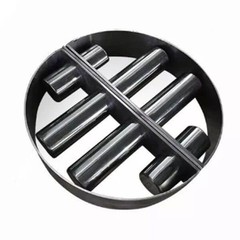
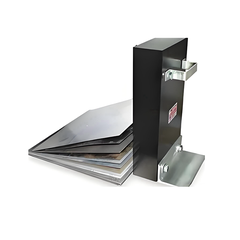


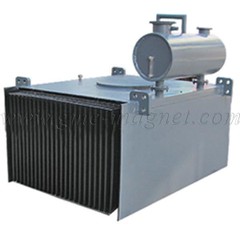

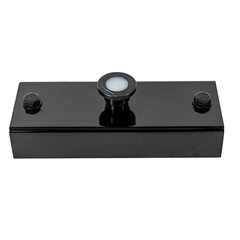





Iron boron, also known as neodymium iron boron magnet (NdFeB magnet), is a tetragonal crystal formed by neodymium, iron, and boron (Nd2Fe14B). Neodymium magnets were discovered in 1982 by Masato Sagawa of Sumitomo Special Metals. The magnetic energy product (BHmax) of this magnet is greater than that of the samarium cobalt magnet, and it is the material with the largest magnetic energy product in the world at that time. Later, Sumitomo Special Metals successfully developed the powder metallurgy process. General Motors has successfully developed the melt-spinning process, which can prepare NdFeB magnets. This magnet is the most magnetic permanent magnet available today, and it is also the most commonly used rare earth magnet. NdFeB magnets can last for a long time at room temperature, but it is well known that they will demagnetize when exposed to high temperatures. The combination of cost and performance of NdFeB magnets makes them a popular choice for the use of traditional magnets and the creation of new product applications , in the case of a sharp increase in existing strength, allows the use of a smaller magnet, beneficial to most designs. Care should be taken in the handling of NdFeB magnets at high temperatures, because NdFeB magnets are easy to demagnetize at high temperatures. Below we will work with you to understand the problem of high-temperature demagnetization of NdFeB magnets. Due to the high content of NdFeB in NdFeB magnets, they are also easy to oxidize, so various coatings that meet these conditions depend on the operating environment of NdFeB magnets. The reason why NdFeB will demagnetize in high temperature environment is determined by its own physical structure. The reason why a general magnet can generate a magnetic field is because the electrons carried by the substance itself rotate around the atom in accordance with the direction, thereby generating a magnetic field force, which in turn affects the surrounding related affairs. However, the rotation of electrons around atoms in a predetermined direction is also limited by temperature conditions. Different magnetic materials can withstand different temperatures. If the temperature is too high, electrons will deviate from the original orbit, causing confusion. The local magnetic field of the material will be disrupted, resulting in demagnetization. The temperature resistance of powerful NdFeB magnets is about 200 degrees, that is, if it exceeds 200 degrees, demagnetization will occur. If the temperature is higher, the demagnetization will be more serious.
Several effective solutions for high temperature demagnetization of NdFeB magnets:
1. Do not put the NdFeB magnet products in excessively high temperature, especially pay attention to its critical temperature, that is, 200 degrees, and adjust its working environment temperature in time to minimize the occurrence of demagnetization.
The second is to start from technology to improve the performance of products using iron boron magnets, so that they can have a higher temperature structure and are not easily affected by the environment.
3. You can also choose high coercive force materials with the same magnetic energy product. If not, you can only sacrifice a little magnetic energy product and find a higher coercive material with a lower magnetic energy product. If not, you can choose to use samarium cobalt. For reversible demagnetization, samarium cobalt is the only choice.