











Neodymium magnets, also known as NdFeB or Neo magnets, are a type of rare earth magnet that is widely used due to their special magnetic properties. In this article, we'll take a closer look at the various types of neodymium magnets and explore their unique properties and applications.

Sintered neodymium magnets:
Sintered neodymium magnets are the most common and widely used type.
Manufacturing involves a powder metallurgy process in which neodymium, iron, and boron are sintered together.
Known for their high magnetic field strength, these magnets find applications in electric motors, speakers, and various electronic devices.
Bonded Neodymium Magnets:
Bonded neodymium magnets are made by mixing neodymium powder with a polymer binder.
While not as strong as sintered magnets, they have advantages in complex shapes and isotropy.
Applications include magnetic sensors, magnetic couplers, and magnetic filters.
Radial Ring Magnet:
Radial ring magnets are shaped like a ring with a radial magnetic field.
These magnets are commonly used in applications that require circular magnetic fields, such as medical equipment and magnetic couplers.
Arc magnet:
Arc magnets have a curved shape and are commonly used in motor components and generators.
Its unique design enables efficient magnetic flux distribution, making it suitable for a variety of rotational applications.
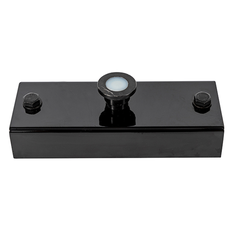
Ountersunk head magnet:
Countersunk neodymium magnets have a groove on one face that allows them to be easily secured with screws.
Widely used in applications requiring flush mounting, such as door closings and magnetic latches.
Segmented magnets:
Segmented neodymium magnets are divided into smaller parts, each with its own pole.
Typically used in applications such as magnetic coupling and sensors where controlled and localized magnetic fields are critical.
Magnetic components:
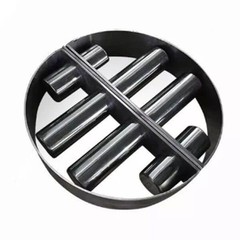
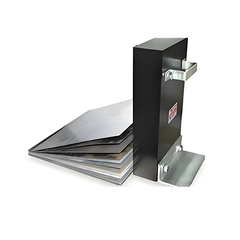
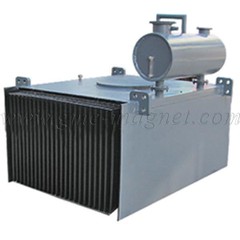
Neodymium magnets are often assembled into complex structures for specific applications.
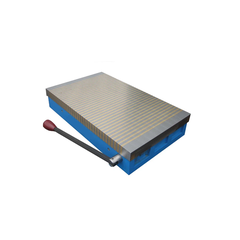
Magnetic assemblies can be customized for a variety of uses, including magnetic separators, magnetic clamps and magnetic chucks.
Temperature-resistant neodymium magnets:
Neodymium magnets are prone to demagnetization at high temperatures.
To address this limitation, temperature-resistant neodymium magnets are designed to withstand higher temperatures, making them suitable for applications in motors and electronics that generate heat.
Waterproof Neodymium Magnet:
Certain applications, such as marine environments or underwater equipment, require magnets that can resist corrosion and maintain their performance in wet conditions.
Waterproof neodymium magnets are specially coated to repel moisture, ensuring their longevity and functionality in challenging environments.
High coercivity neodymium magnets:
Coercivity is the ability of a material to resist demagnetization.
High coercivity neodymium magnets are engineered to resist demagnetization, providing stability and reliability in applications where external magnetic fields may be present.
Micro Neodymium Magnets:
Where space is limited, such as in microelectronics or medical equipment, tiny neodymium magnets play a vital role.
These compact magnets maintain strong magnetic properties and can be integrated into small applications efficiently and space-savingly.
Custom Neodymium Magnets:
Manufacturers can customize neodymium magnets to specific requirements.
Custom neodymium magnets offer flexibility in shape, size, and magnetic strength to meet the unique needs of different industries and applications.
How to maintain Neodymium Magnets
Maintaining neodymium magnets is crucial to ensure their long-term performance and prevent any degradation of their magnetic properties. Here are some guidelines for proper neodymium magnet maintenance:
Handle with Care:
Neodymium magnets are brittle and can chip or break easily. Handle them with care to prevent physical damage.
Avoid dropping or subjecting them to impact, as this can result in cracks or fractures that compromise their effectiveness.
Protect Against Corrosion:
Neodymium magnets are prone to corrosion, especially in humid or harsh environments.
Use appropriate coatings or plating (such as nickel, zinc, or epoxy) to protect the magnets from moisture and corrosion. Regularly check for signs of corrosion and reapply coatings as needed.
Keep Them Dry:
Moisture can lead to corrosion and a reduction in magnetic strength. Keep neodymium magnets dry at all times.
If the magnets do come into contact with water, dry them thoroughly immediately. Avoid prolonged exposure to damp conditions.
Avoid High Temperatures:
Neodymium magnets can lose their magnetic strength at elevated temperatures.
Operate neodymium magnets within their specified temperature range. If the application involves high temperatures, consider using temperature-resistant neodymium magnets designed for such conditions.
Prevent Demagnetization:
Be cautious when exposing neodymium magnets to strong external magnetic fields, as this can lead to demagnetization.
Store magnets away from other magnets or magnetic materials that could affect their magnetic properties.
Use Non-Abrasive Cleaning Methods:
When cleaning neodymium magnets, use non-abrasive materials to avoid scratching the surface.
Gently wipe them with a soft, dry cloth to remove dust and debris. For more stubborn contaminants, use a mild detergent and water solution.
Store Properly:
Store neodymium magnets in a cool, dry place away from direct sunlight.
Keep them separated from other magnets and magnetic materials to prevent unintentional magnetic interaction.
Regular Inspection:
Periodically inspect neodymium magnets for any signs of damage, corrosion, or loss of magnetic strength.
Replace or repair magnets that show visible defects to maintain optimal performance.