











As a reputable supplier of SuperMagnets, I'm excited to share with you the fascinating process of producing these powerful and versatile magnets. SuperMagnets have become indispensable in various industries due to their superior magnetic properties. In this blog post, I'll walk you through the production steps, share insights on different types of SuperMagnets, and discuss the key factors that contribute to their high - performance.
Understanding SuperMagnets
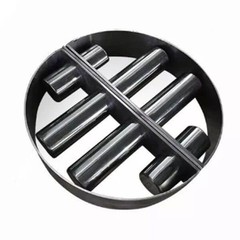
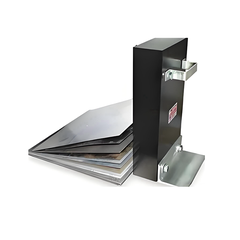
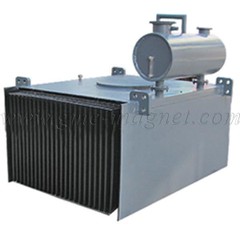
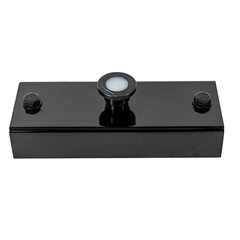
Before delving into the production process, it's crucial to understand what SuperMagnets are. SuperMagnets are a category of permanent magnets known for their extremely high magnetic fields. The most common types of SuperMagnets are neodymium magnets, samarium - cobalt magnets, and bonded magnets. These magnets are used in applications such as electric motors, generators, magnetic resonance imaging (MRI) machines, and magnetic separators.
Raw Materials Selection
The first step in producing SuperMagnets is carefully selecting the raw materials. The choice of materials depends on the type of magnet you want to produce. For neodymium magnets, the primary raw materials are neodymium (Nd), iron (Fe), and boron (B). Samarium - cobalt magnets are made from samarium (Sm) and cobalt (Co). Bonded magnets can be made from various magnetic powders mixed with a binder material.
The quality of the raw materials significantly impacts the performance of the final magnet. High - purity metals are usually preferred as they result in magnets with better magnetic properties. Suppliers need to source these materials from reliable mines and processing plants to ensure consistency and quality.
Alloy Preparation
Once the raw materials are selected, they are melted together to form an alloy. In the case of neodymium magnets, neodymium, iron, and boron are melted in a vacuum induction furnace. This process needs to be carefully controlled to ensure that the alloy has the correct chemical composition and uniform distribution of elements.
The melting temperature and time are crucial parameters. If the temperature is too low, the metals may not melt completely, leading to uneven alloy formation. On the other hand, if the temperature is too high, some elements may vaporize, changing the chemical composition of the alloy. After melting, the alloy is usually cast into ingots or strips, which are then processed further.
Milling
The next step is milling the alloy into a fine powder. This is a critical step because the particle size of the powder affects the magnetic properties of the final magnet. For neodymium magnets, the alloy is first crushed into small pieces and then milled using ball mills or jet mills.
Ball mills use rotating balls to crush the alloy particles, while jet mills use high - pressure air to impact and break the particles. The goal is to achieve a powder with a particle size in the range of a few micrometers. A smaller particle size generally results in a magnet with higher coercivity and better magnetic performance.
Pressing and Alignment
After milling, the magnetic powder is pressed into the desired shape. This can be done using different pressing methods, such as die pressing or isostatic pressing. In die pressing, the powder is placed in a die and pressed under high pressure to form a compact. Isostatic pressing, on the other hand, applies pressure uniformly from all directions, which can produce magnets with more complex shapes.
During the pressing process, an external magnetic field is applied to align the magnetic domains of the powder particles. This alignment is crucial for the magnet to achieve its maximum magnetic strength. Proper alignment ensures that the magnetic moments of the individual particles add up in the same direction, resulting in a stronger overall magnetic field.
Sintering
Sintering is a heat - treatment process that is used to bond the magnetic powder particles together and improve the density and magnetic properties of the magnet. The pressed magnet is placed in a sintering furnace and heated to a high temperature, typically below the melting point of the alloy.
During sintering, the particles sinter together through diffusion, and the density of the magnet increases significantly. The sintering temperature, time, and atmosphere are carefully controlled. For example, sintering neodymium magnets in a vacuum or an inert gas atmosphere can prevent oxidation and improve the magnetic performance.


Machining and Finishing
After sintering, the magnet may need to be machined to achieve the desired dimensions and surface finish. Machining processes such as grinding, cutting, and drilling can be used to shape the magnet. However, machining SuperMagnets can be challenging due to their hardness and brittleness.
Specialized tools and techniques are required to minimize the risk of cracking and chipping. Once the machining is complete, the magnet may undergo surface finishing processes such as plating or coating to protect it from corrosion and improve its appearance. Common plating materials include nickel, zinc, and epoxy.
Testing and Quality Control
Before the SuperMagnets are shipped to customers, they undergo rigorous testing and quality control procedures. Various tests are carried out to measure the magnetic properties of the magnets, such as the magnetic field strength, coercivity, and remanence.
Magnetic testing equipment, such as gauss meters and hysteresis graphers, is used to ensure that the magnets meet the specified standards. Additionally, visual inspection and dimensional measurement are also performed to check for any surface defects or dimensional inaccuracies.
Different Types of SuperMagnets and Their Production Nuances
- Injection Magnet Plastic Magnet: These are a type of bonded magnet. The production of Injection Magnet Plastic Magnet What Is Injection Moulding involves mixing magnetic powder with a polymer binder and then injecting the mixture into a mold using an injection - molding machine. This process allows for the production of complex - shaped magnets with high precision.
- High - Quality Neodymium Magnet Ball Cube: Neodymium magnet ball cubes are popular for their strong magnetic force and unique shape. During production, special attention is paid to the alignment of magnetic domains to ensure uniform magnetic properties throughout the cube. You can find high - quality options here: High Quality Neodymium Magnet Ball Cube.
- Bonded Ndfeb Magnet For Stepper Motor: These magnets are designed specifically for use in stepper motors. Their production requires careful control of magnetic properties to ensure smooth and accurate operation of the motor. For more information on these magnets, visit Bonded Ndfeb Magnet For Stepper Motor.
Why Choose Our SuperMagnets
As a supplier, we take pride in our commitment to quality and innovation. Our production facilities are equipped with state - of - the - art equipment, and our experienced team of engineers and technicians ensures that every magnet meets the highest standards. We offer a wide range of SuperMagnets to meet the diverse needs of our customers, from different shapes and sizes to customized magnetic properties.
Contact Us for Procurement
If you are in the market for high - quality SuperMagnets, we'd love to hear from you. Whether you need magnets for a specific application or are looking for a reliable long - term supplier, we can provide you with the best solutions. Our team is ready to discuss your requirements, answer your questions, and provide you with competitive quotes. Please reach out to us to start a procurement discussion.
References
- "Permanent Magnet Materials and Their Applications" by B. D. Cullity and C. D. Graham.
- "Magnetism and Magnetic Materials" by D. Jiles.
- Industry reports on SuperMagnet production and application trends.