



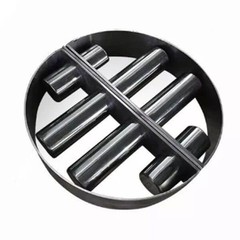
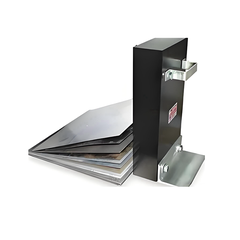


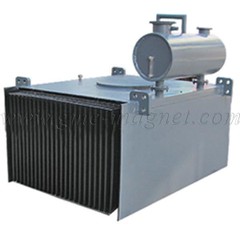
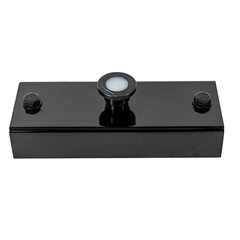



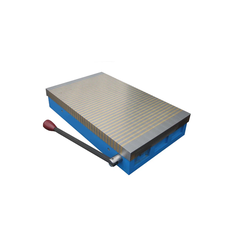


Magnetic chucks are the safest and easiest way to secure metallic workpieces in place for machining purposes. A high-quality magnetic chuck offers superior accuracy compared to a traditional chuck. So it is no surprise that many manufacturing facilities are replacing their traditional chucks with magnetic chucks with improved results.
It is obvious that magnetic chucks use magnetism to hold workpieces but there is a much more complex mechanism involved in their operation. The process of securing and releasing a workpiece from a magnetic chuck requires precise coordination among various components within the magnetic chuck. If you want to fully understand how magnetic chucks hold workpieces before going ahead and purchasing one then you are at the right spot. This article is going to explain how magnetic chucks hold workpieces so keep reading.
1. Different types of magnetic chucks
Magnetic chucks come in 3 major types and each type differs in terms how how it holds and releases a workpiece. Not to mention the type of magnets used inside each type of chuck also varies. So if you are going to understand how magnetic chucks hold workpieces in place it is important to first understand the types of magnetic chucks. There are three major types of magnetic chucks sold by us at GME Magnet and most other magnetic chuck manufacturers. These three types include:
1.1 Permanent Magnetic Chucks
Contains permanent magnets that don't require any external power to operate.
1.2 Electro-Permanent Magnetic Chucks
Contains a permanent magnet and an electromagnet. This type of chuck requires external power to activate and deactivate the magnets.
1.3 Electromagnetic Chucks
Contain electromagnets that work only when they are receiving a constant flow of electricity.
Now it is apparent that all three types of magnetic chucks hold workpieces based on the principles of magnetism. However, each type of chuck has its mechanism for releasing and holding a workpiece.
2. What is the magnetic field and how does it hold a workpiece to the chuck?
The magnetic field is the key factor that is essential for keeping a workpiece firmly attached to the chuck's surface. The magnetic field exists in a small area around the magnet so the metallic workpiece has to be close to the magnet to generate maximum holding power. When a metal object comes close enough to a magnetic chuck for its magnetic field to pass through it the metal's electrons align with the direction of the magnetic field turning the metal into a magnet. As a result, the metallic workpiece is pulled towards the chuck's surface where the magnetic field is the strongest and gets firmly connected to it.
Magnetic chucks have magnetic poles where the magnetic field is concentrated. The more poles a magnetic chuck has and the closer together these poles are arranged the better the chuck's holding power will be. Similarly the deeper the magnetic field can penetrate inside a workpiece the stronger the hold will be.
3. How Do different types of Magnetic Chucks hold workpieces?
Now that we know what the different types of magnetic chucks are and the concept of magnetic field it is time to answer the main question. How exactly do magnetic chucks hold workpieces? As explained above there are three different types of magnetic chucks and we will explain the operation of each type of chuck below:
3.1 Operation of Permanent Magnetic Chucks
Permanent magnetic chucks are the most basic type of magnetic chuck that doesn't require to be plugged into a power source. You can simply assemble the permanent magnetic chuck on a machine and start using it. The way a permanent magnetic chuck holds and releases a workpiece is by changing the alignment of magnets in the chuck's body with the magnetic poles present on the chuck's surface.
When the main magnets are in alignment with the magnetic chuck's surface the chuck is considered in on position and holds the workpiece firmly in place. As soon as the lever is turned to the off position the alignment of the magnets and the poles in the chuck's surface is changed the workpiece is released.
A permanent magnetic chuck only has an on and off function and it doesn't let you control the strength of the chuck.
3.2 Operation of Electro-Permanent Magnetic Chucks
Electropermanent magnetic chucks have a permanent magnet and an electromagnet that work together to produce a magnetic field and hold workpieces. When the electromagnet component inside the electro-permanent magnetic chuck receives an electric current it adjusts the polar alignment of the permanent magnets and activates the magnetic field. Once activated an electro-permanent chuck no longer requires current to stay magnetized until it is time to deactivate the chuck.
When another burst of electricity is applied to the electromagnet inside the electro-permanent chuck it reverses the alignment of the magnetic chucks and disables the magnetic field. So the only time an electro-permanent chuck will need power is when you need to hold or release a workpiece.
A high-quality electro-permanent chuck from a reputed manufacturer such as GME Magnet requires very little current to operate making it cost-effective.
3.3 Electromagnetic chucks
As evident from the name electromagnetic chucks consist of electromagnets that require electricity to produce the magnetic holding force. So the mechanism of workpiece holding is much more complex with electromagnetic chucks compared to the other two types of chucks explained above. A high-quality electromagnetic chuck will contain an iron core that has a coil of wires wound around it evenly to ensure concentrated holding power.
The way an electromagnetic chuck operates is by passing current through the coil around the iron core which temporarily converts the iron into a powerful magnet. As long as the current is passing through the coils the electromagnetic chuck maintains its magnetism. The operator has the option to control the amount of current that passes through the electromagnetic chuck's coil thus adjusting the holding strength.
When it comes to demagnetizing or turning off an electromagnetic chuck all you have to do is stop the flow of current through the coil. The workpiece can be removed as soon as the chuck is turned off.

4. How do the poles of a magnetic chuck affect its holding power?
By arranging the poles of a magnetic chuck in certain layouts it is possible to alter how the chuck holds a workpiece. Magnetic chucks are designed for various types of machining applications including turning, milling, drilling, grinding, cutting, and more. Each type of machining application will require a different type of workpiece holding power. Here are some different types of magnetic chuck pole configurations:
4.1 Parallel Poles
As the name suggests Parallel Poles are configured in parallel lines right below the surface of the chuck. These types of magnetic chucks have a constant holding force across the entire surface of the chuck so no matter where you secure the workpiece you get a reliable hold. However, this pole configuration is ideal for holding certain types of workpieces including long, flat, and circular workpieces such as disks, bars, and sheets.
Since the holding power is constant across the chuck's surface in case of parallel pole configuration you don't have to worry about morphing a thin workpiece. However, if you are trying to hold workpieces with an irregular shape the parallel pole configuration doesn't offer a strong holding power.
4.2 Radial Poles
Radial pole magnetic chucks have a rounded shape and the poles are arranged in a circular arrangement starting from the center and reaching the outermost circle. The layout of poles in radial pole magnetic chuck resembles the spokes of a bicycle wheel. Since these magnetic chucks are circular and their poles are also laid out in a circular arrangement they are ideal for holding cylindrical workpieces. You can use radial pole magnetic chucks for holding shafts, pipes, gears, and other similar workpieces.
A radial pole magnetic chuck is mostly used with lathes, and rotary grinders since they can precisely hold a cylindrical workpiece in the middle of the lathe. However, they are not recommended for flat workpieces making their applications limited to lathes and rotary grinders.
4.3 Square Poles
In terms of pole configuration square pole magnetic chucks offer users the most flexibility since these chucks offer the most contact between a workpiece and the poles of the chuck. As a result operators can hold larger and even irregular shapes workpieces using a square pole magnetic chuck.
The arrangement of the poles in these types of chucks is also different from other types of chucks. Square pole configuration has north and south poles arranged in alternating patterns throughout the surface of the chuck. This produces a uniform holding force across the surface instead of concentrating it on a single spot.
5. Top magnetic chucks from each category
By now you know how different types of magnetic chucks hold workpieces. We have also covered how choosing the right pole configuration is important for different machining applications. To help you pick the best magnetic chucks out of the available options here are the top magnetic chucks from each category:
5.1 Best permanent magnetic chuck

The standard pole permanent magnetic chuck to hold objects that are either thin or prone to deforming. This chuck uses a parallel pole arrangement to ensure uniform holding power across the surface of the chuck.
Operates without any power and eliminates the risk of accidental release of the workpieces.
Material of the chuck: Carbon Steel
Type: Permanent magnetic chuck
Features
Minimal magnetization of the workpiece
Uniform holding force with the ability to hold thin workpieces
Corrosion-free material makes it ideal for use with cutting fluids
Versatile usage applications in the machining industry
5.2 High Precision Electro Permanent Magnetic Chuck
A precision electro-permanent magnetic chuck is a high-precision electro-permanent magnetic chuck that requires little electricity to perform effectively. its unique characteristic is the strong holding power thanks to the large surface area of magnetic poles on its surface. works well for heavy-duty machining applications thanks to its durable construction. as an added benefit, the high-precision electro-permanent magnetic chuck also comes with pole extensions to hold workpieces that need to be secured to the chuck in a specific configuration.
Material of the chuck: Carbon Steel
Type: Electro-permanent magnetic chuck
Features
Allows you to clamp even nonferrous materials to the surface
50 x 50 mm pole size offering ample holding force for larger workpieces
12mm penetration depth of its magnetic field is ideal for heavy materials
Comes with a specialized controller with precise operation of the chuck
6. What are some uses of magnetic chucks?
Magnetic chucks have a wide range of applications in the machining process. Here is how you can use these chucks in your manufacturing process:
6.1 Grinding
Grinding is an essential machining process that ensures that the final product has a smooth finish. This process requires machinists to use powerful grinders while holding the workpiece firmly secured and magnetic chucks are a reliable holding mechanism for grinding.
6.2 Milling
Milling is one of the most demanding machining processes that is essential for shaping a workpiece and magnetic chucks are a great combination for milling machines. Milling exerts a large amount of force on a workpiece and magnetic chucks ensure the accuracy of cuts.
6.3 Drilling
Workpieces that need to be secured to other machined parts require holes to be drilled into them. A drill press is used for making these holes inside a workpiece and magnetic chucks ensure that holes are made as per the required specification.
6.4 CNC Machining
CNC Machining is the process of automating drilling, milling, and grinding operations using computer machines. A CNC machine works rapidly because it doesn't require human intervention and this rapid operation is only possible when the workpiece doesn't move around. Electromagnetic chucks can be used with CNC machines and provide the highest level of accuracy for the automated machining process.
7. Conclusion
Magnetic chucks are revolutionizing the way machine operators hold workpieces during the machining process. Not only do magnetic chucks reduce the time required for clamping and unclamping the workpiece but also ensure the safety of the operator. If you were not sure how magnetic chucks hold workpieces this article answers your question in detail. GME Magnet is a leading manufacturer of magnetic chucks with expertise in producing all categories of chucks. If you have any questions about any of the GME Magnet's products mentioned in this article or magnetic chucks in general feel free to contact us.