











Ensuring that refrigerator doors seal properly in the commercial refrigeration industry is paramount. A tight seal maintains consistent internal temperatures, crucial for food safety, energy efficiency, and customer satisfaction. When seals are compromised, cold air escapes, increasing energy consumption as the system works harder to compensate. This elevates operational costs and can result in food spoilage due to temperature fluctuations, potentially harming your business's reputation.
As a B2B appliance seller, understanding the process and significance of remagnetizing fridge door seals is essential. Over time, these seals can lose their magnetic properties, leading to inadequate closure and the abovementioned issues. Mastering remagnetization techniques can offer valuable after-sales support, ensuring your clients' refrigeration units operate optimally. This helps maintain inventory standards and reduces the likelihood of product returns or customer complaints, reinforcing trust and reliability in your business relationships.
What Are Fridge Door Seals and Why Do They Lose Magnetism?

As a B2B appliance seller, understanding the role and maintenance of refrigerator door seals is crucial to ensure the optimal performance of the units you provide to your clients. Fridge door seals, commonly known as gaskets, are flexible strips-typically made from materials like PVC, rubber, or silicone-that run along the edge of refrigerator and freezer doors. Their primary function is to create an airtight barrier between the door and the main compartment, preventing cold air from escaping and warm air from entering. This seal is vital for maintaining consistent internal temperatures, ensuring energy efficiency, and preserving the freshness of stored contents.
Understanding Fridge Door Seals
Many modern refrigerator door seals incorporate a flexible magnetic strip within the gasket. This magnet ensures the door remains securely closed, enhancing the seal's effectiveness. However, some fridge doors don't close as tightly as they once did over time. While it's a common assumption that the magnets within these seals lose their strength, magnets typically retain their magnetism for many years under normal operating conditions.
Reasons for Loss of Magnetism in Door Seals
While the magnetic strips in door seals are designed to retain their magnetism over extended periods, certain factors can lead to a perceived or actual reduction in their effectiveness:
Accumulation of Dirt and Grease: Over time, the seal's surface can gather dirt, grease, or food particles. This buildup can interfere with the seal's ability to adhere properly to the refrigerator frame, giving the impression of weakened magnetism. Regular cleaning is essential to maintain optimal performance.
Physical Damage or Wear: Continuous usage can lead to wear and tear of the seal material. Cracks, tears, or deformities can compromise the seal's integrity, preventing it from making full contact with the refrigerator frame. Such physical damage can mimic the effects of reduced magnetism.
Material Deformation: The flexible material encasing the magnet can lose shape due to prolonged use or exposure to varying temperatures. When the seal becomes misshapen or brittle, it may not align correctly with the refrigerator frame, leading to gaps that affect the door's closure and sealing capability.
Addressing Seal Performance Issues
For you, as a B2B seller, it's essential to recognize that while the magnetic component of door seals is designed for longevity, the physical condition and cleanliness of the gasket play a more significant role in its performance. Regular inspection and maintenance of these seals are imperative. By ensuring that the gaskets are clean, free from damage, and properly aligned, you can uphold the efficiency and reliability of the refrigeration units you supply, leading to increased customer satisfaction and reduced service issues.
Signs Your Fridge Door Seal Needs Remagnetizing
Maintaining the integrity of your refrigerator's door seal is crucial for optimal performance and energy efficiency. Over time, door seals can degrade, leading to issues that may affect the appliance's functionality. As a B2B appliance seller, recognizing these signs enables you to provide timely solutions to your clients, ensuring their satisfaction and reducing potential service calls.
Visible Gaps or Tears: Inspect the door seal for any visible gaps, cracks, or tears. Even minor damage can compromise the seal's effectiveness, allowing cold air to escape and warm air to enter. This affects the refrigerator's cooling capability and forces the appliance to work harder, increasing energy consumption. Regularly examining the gasket's condition helps identify and address these issues promptly.

Excessive Condensation: Moisture or condensation around the door seal indicates a compromised seal. Warm air infiltrates the refrigerator when the seal fails to close properly, leading to condensation buildup. This excess moisture can promote mold growth and further deteriorate the gasket material. Ensuring the seal is intact prevents such issues and maintains the appliance's hygiene and efficiency.
Temperature Inconsistencies: If the refrigerator exhibits fluctuating temperatures or feels warmer than the set point, it may be due to a faulty door seal. An ineffective seal allows cold air to leak out, making it challenging for the appliance to maintain consistent internal temperatures. This jeopardizes food safety and indicates that the refrigerator is operating inefficiently.
Energy Consumption Spikes: A sudden increase in energy bills can be attributed to a malfunctioning door seal. When the seal is compromised, the refrigerator compensates by running more frequently to maintain the desired temperature, leading to higher energy usage. Addressing seal issues promptly can prevent unnecessary energy expenditures and extend the appliance's lifespan.
Conducting the Paper Test
To assess the effectiveness of the door seal, perform the simple "paper test." Close the refrigerator door on a piece of paper or a dollar bill, ensuring it is partially inside and outside the appliance. Pull the paper; if it slides out easily without resistance, the seal may not function properly. Repeat this test at various points around the door to identify any weak spots in the seal. This straightforward method helps determine whether the gasket requires adjustment or replacement.
By staying vigilant to these signs and conducting regular checks, you can ensure that the refrigerators you supply operate efficiently, leading to satisfied clients and reduced service issues.
Tools and Preparations
Before attempting to remagnetize a refrigerator door seal, it's essential to gather the appropriate tools, adhere to safety precautions, and prepare your workspace. This ensures the process is efficient and minimizes potential risks.
Magnetizing Tool
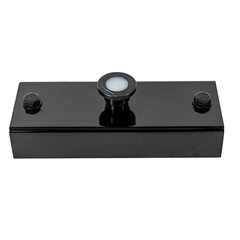
To effectively remagnetize the door seal, you'll require a strong magnet. A neodymium magnet is commonly recommended due to its strength. However, caution is advised:
Neodymium Magnets: While powerful, improper use can further demagnetize the seal. Understanding your fridge seal's magnetization pattern before proceeding is crucial.
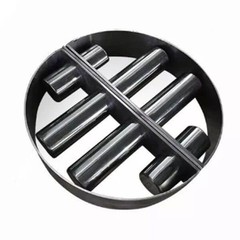
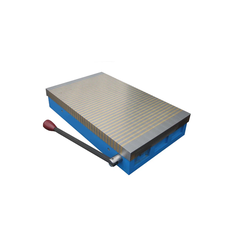
Specialized Magnetizing Wands: These tools are designed specifically for remagnetizing applications and may offer a more controlled approach.
Safety Precautions
Handling strong magnets and working around appliances necessitate strict safety measures:
Protective Gloves: Wear gloves to safeguard your hands from potential pinching injuries caused by the strong attraction of neodymium magnets.
Electrical Safety: Unplug the refrigerator to eliminate any risk of electric shock during the process.
Magnet Handling: Neodymium magnets should be kept away from electronic devices and magnetic storage media, as they can cause data loss or damage.
Setting Up the Work Area
A well-organized workspace contributes to a smoother process:
Clean Environment: Ensure the area around the refrigerator is clean and free from obstructions. This provides ample space to maneuver and reduces the risk of accidents.
Proper Lighting: Good illumination helps accurately assess the condition of the door seal and effectively perform the remagnetizing procedure.
Tool Accessibility: Have all necessary tools within reach to avoid unnecessary movement.
By equipping yourself with the right tools, adhering to safety protocols, and preparing your workspace adequately, you set the foundation for a successful remagnetizing procedure.
Step-by-Step Process to Remagnetize Fridge Door Seals

Ensuring that your refrigerator door seals function correctly is vital for maintaining energy efficiency and preserving the contents inside. Over time, these seals can lose their magnetism, leading to compromised performance. Following the steps outlined below, you can remagnetize the fridge door seals, restoring their effectiveness.
Step 1: Remove the Door Seal (If Necessary)
Begin by carefully inspecting the door seal to determine if removal is required. In some cases, remagnetization can be performed without detaching the seal. However, if you find it necessary to remove the seal for better access, proceed as follows:
Locate the Retaining Screws or Clips: Open the refrigerator door to identify the screws or clips securing the gasket.
Detach the Seal Carefully: Using the appropriate screwdriver, loosen the fasteners. Gently pull the gasket away from the door, not damaging it.
Set the seal aside on a clean, flat surface.
Step 2: Clean the Magnetic Strip
Over time, dirt and debris can accumulate on the magnetic strip, hindering its performance. To ensure optimal contact during remagnetization:
Prepare a Cleaning Solution: Mix mild dish soap with warm water.
Wipe Down the Magnetic Strip: Dampen a soft cloth with the solution and gently clean the magnetic strip embedded in the gasket, removing any dirt or residue.
Dry Thoroughly: Use a separate dry cloth to dry the strip completely.
Step 3: Use the Magnetizing Tool
To remagnetize the seal, you'll need a strong magnet. A neodymium magnet or a specialized magnetizing wand is recommended for this process. Exercise caution during this step, as improper use can further demagnetize the seal. Follow these guidelines:
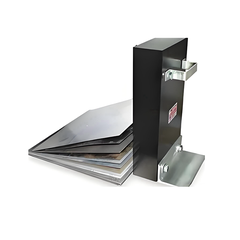
Understand the Magnetization Pattern: Refrigerator seals are typically magnetized with multiple poles in a specific arrangement. Using a magnetic viewing film can help you visualize the existing pattern.
Align the Magnet Properly: Ensure the magnet's poles are oriented correctly to match the seal's original magnetization pattern.
Glide the Magnet Along the Strip: Gently slide the magnet along the length of the magnetic strip in one consistent direction. Avoid a back-and-forth motion, as this can disrupt the magnetic alignment.
Repeat the Process: Pass the magnet over the strip multiple times to reinforce the magnetic field.
Step 4: Reinstall & Test
After remagnetizing the seal:
If you removed the seal, carefully reattach it to the refrigerator door, ensuring it is properly aligned and secured.
Conduct a seal test to verify the effectiveness of the remagnetization. One common method is the "paper test."
By meticulously following these steps, you can restore the magnetism of your refrigerator door seals, enhancing their performance and extending their lifespan.
B2B Considerations and Best Practices
In the B2B appliance sector, implementing effective maintenance and customer service strategies is essential for operational efficiency and client satisfaction. Focusing on bulk maintenance routines, customer education, and informed decisions about repairs and replacements can enhance your business's reputation and profitability.
Bulk Maintenance Routines
Managing multiple refrigeration units in warehouses or showrooms efficiently requires a structured maintenance schedule. Regular inspections and cleanings help prevent minor issues from escalating into costly repairs. Develop a maintenance checklist that includes cleaning condenser coils, inspecting door gaskets, and monitoring temperature settings. Consistent upkeep not only prolongs the lifespan of the appliances but also ensures they operate at peak efficiency, reducing energy costs.
Customer Education
Providing your clients with comprehensive after-sales guides empowers them to maintain their appliances effectively, reducing the frequency of service calls. To enhance appliance performance and longevity, educate customers on routine maintenance tasks, such as cleaning door seals and checking for proper closure. Well-informed customers are more likely to be satisfied with their purchases, leading to increased loyalty and positive word-of-mouth referrals.
Replacement vs. Remagnetizing
When addressing fridge door seals, it's crucial to assess whether remagnetizing the existing seal is sufficient or if a full replacement is necessary. Minor issues, such as slight misalignments or dirt accumulation, can often be resolved through cleaning and remagnetizing. However, if the seal is significantly damaged, cracked, or warped, a full replacement is recommended to ensure the appliance maintains energy efficiency and performance. Providing clients with honest, expert advice reinforces your credibility and fosters trust.
Long-Term Business Benefits
Implementing these best practices leads to tangible long-term benefits for your business. Regular maintenance and effective customer education reduce the incidence of appliance malfunctions, thereby decreasing product returns and associated costs. A reputation for reliability and excellent customer service enhances your brand's standing in the market, attracting new clients and retaining existing ones. Ultimately, these strategies contribute to a more profitable and sustainable business model.
By prioritizing structured maintenance routines, investing in customer education, and making informed decisions regarding appliance repairs and replacements, you position your business for enhanced efficiency, customer satisfaction, and long-term success.
Conclusion
Maintaining the magnetic integrity of fridge door seals might seem like a small detail, but for you as a B2B appliance seller, it can make a substantial difference in operational efficiency, customer satisfaction, and long-term business success. From identifying the early signs of magnetism loss to remagnetizing seals with the right tools and techniques, you know how to take proactive steps to elevate your inventory's quality and performance.

By integrating regular bulk maintenance routines, educating your customers with practical after-sales guidance, and knowing when to remagnetize versus replace, you reduce service issues and returns and position your business as a reliable partner in refrigeration solutions. Ultimately, these steps translate into enhanced brand credibility, streamlined service operations, and stronger client relationships.
Now is the time to implement these insights into your day-to-day operations and ensure that every unit you sell or service performs at its best.