










In recycling operations, you deal with mixed waste streams that are often difficult to separate efficiently. Ferrous metals, stainless steel, and non-ferrous materials can end up mixed, while unwanted metal contamination can lower the purity of your final recycled product. Without the right magnetic separator system, valuable metals may be lost in the reject stream, reducing your recovery rate and cutting into your profits. At the same time, tramp metal can damage shredders, crushers, and other downstream equipment, leading to more wear, downtime, and maintenance costs. That is why choosing the right magnetic separation solution matters. When your system is properly matched to your material, particle size, and production line, you can improve metal recovery, protect equipment, and make your recycling process more efficient and profitable.
Why Magnetic Separation Is Critical in Recycling
Magnetic separation helps you recover saleable metals from mixed waste streams, so you can turn more material into value instead of losing it in the reject line. It also improves the purity of your recycled output by removing unwanted ferrous contamination early in the process. At the same time, magnetic separators protect shredders, crushers, and other downstream equipment from damage caused by tramp metal. With the right setup, you can also reduce manual sorting, lower downtime, and keep your recycling line running more efficiently.
What Materials and Metals Can Be Recovered?
Depending on your recycling line and separator setup, you can recover several types of metals from mixed waste streams and improve both product purity and material value.
Ferrous Metals From Mixed Recycling Streams
You can recover ferrous metals such as iron and steel from mixed scrap, shredded waste, and bulk recycling materials. These metals are usually the first targets in magnetic separation because they are easier to recover and often occur in large volumes.

Weakly Magnetic Metals Such As Stainless Steel
You can also separate some weakly magnetic metals, especially certain grades of stainless steel, with the right system. This is important when you want higher purity and better recovery from more complex material streams.
Non-ferrous Metals Such As Aluminum, Copper, and brass
You can recover valuable non-ferrous metals like aluminum, copper, and brass to increase the resale value of your recycled output.
Mixed Waste Streams: Plastic, E-waste, Ash, Bottom Ash, Wood, Glass
These separators are widely used in plastic recycling, e-waste, ASR, bottom ash, wood, and glass processing lines.
Main Types of Magnetic Separators for Recycling
To choose the right solution for your recycling line, you first need to understand how different types of magnetic separators work and where each one fits best.
Suspended Magnetic Separators
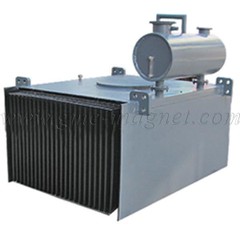
Suspended magnetic separators are commonly installed above conveyor belts to remove ferrous metals from moving material streams. They are a practical choice when you need to protect shredders, crushers, and other equipment from tramp iron.
Magnetic Drum Separators
Magnetic drum separators are used for continuous ferrous metal recovery. They help you separate iron and steel from bulk materials while keeping your recycling process steady and efficient.
Magnetic Head Pulleys
Magnetic head pulleys are built into the end of conveyor systems. They automatically separate ferrous metals as material leaves the belt, helping you save space and simplify line design.
Eddy Current Separators
Eddy current separators are used to recover non-ferrous metals such as aluminum, copper, and brass from mixed recycling streams.

Suspended Magnetic Separators

Magnetic Drum Separators

Eddy Current Separators
How to Choose the Right Magnetic Separator for Your Recycling Line
To choose the right magnetic separator for your recycling line, you need to look at your material conditions, recovery goals, and actual production setup rather than picking a machine by name alone.
By Material Stream
You should first consider what kind of waste you are processing, such as scrap metal, plastic, e-waste, ASR, or bottom ash. Different material streams require different separation methods and equipment combinations.
By Target Metal
You also need to know whether you want to recover ferrous metals, weakly magnetic stainless steel, or non-ferrous metals like aluminum and copper. Your target metal will directly affect the type of separator you need.
By Particle Size
Particle size matters because coarse and fine materials do not separate in the same way. Fine particles often need more precise separation equipment.
By Throughput And Belt Width
You should match the separator to your production capacity, belt width, and line speed to keep the system running efficiently.
By Moisture And Contamination Level
If your material is wet, dusty, sticky, or heavily contaminated, separation performance may change. In this case, you need a system that fits your real working conditions.
Recommended Magnetic Separation Systems for Recycling Applications
Different recycling materials need different separator combinations, so choosing the right system depends on what you process and what metals you want to recover.
For scrap metal recycling
You can use suspended magnets, drum separators, and head pulleys to recover ferrous metals quickly and protect downstream equipment.
For Plastic Recycling
You can use magnetic separators to remove iron contamination before further sorting and improve final product purity.

For E-waste Recycling
You may need a combination of magnetic separators and eddy current separators to recover both ferrous and non-ferrous metals.
For Incineration Bottom Ash
You need a more precise separation to recover fine ferrous and non-ferrous metals.
For Wood, Glass, and Demolition Waste
You can use magnetic separators to remove tramp iron, improve material quality, and protect processing equipment.
Key Factors That Affect Real Separation Performance
The actual performance of your magnetic separation system depends on more than just the machine itself. To get better recovery and cleaner output, you need to pay attention to several working factors in your recycling line.
Particle size is one of the most important points. Fine materials are usually harder to separate than larger pieces, so your system must match the size range of your feed. Material thickness on the belt also matters. If the layer is too deep, some metals may be hidden and missed during separation. Belt speed affects how long the material stays in the separation zone, while splitter settings influence how cleanly the separated metals are collected. Moisture, dust, and sticky contamination can also reduce separation efficiency by affecting material flow. In addition, worn parts or poor maintenance may lower performance over time. When you control these factors well, your recycling line can run more accurately and efficiently.
FAQ
Q: What is the best magnetic separator for recycling plants?
A: The best magnetic separator depends on your material stream, target metal, particle size, and line setup. For ferrous metal removal, suspended magnets, drum separators, and magnetic head pulleys are common choices. If you want to recover non-ferrous metals such as aluminum and copper, an eddy current separator is usually the better option. In many recycling plants, the best solution is not one machine, but a combination of separators working together.
Q: Can magnetic separators remove stainless steel?
A: Yes, some magnetic separation systems can remove stainless steel, but it depends on the grade and magnetic properties of the material. Some stainless steel grades are weakly magnetic, so they are harder to separate than normal iron or carbon steel. In these cases, you may need a stronger or more specialized system to improve recovery. That is why material testing is often important before choosing equipment.
Q: What is the difference between an overband magnet and an eddy current separator?
A: An overband magnet is mainly used to remove ferrous metals such as iron and steel from a conveyor line. It is often installed above the belt to protect downstream equipment and recover tramp iron. An eddy current separator is used for non-ferrous metals such as aluminum, copper, and brass. In simple terms, an overband magnet is for ferrous separation, while an eddy current separator is for non-ferrous recovery.
Q: Why is metal still lost in the reject stream?
A: Metal can still be lost in the reject stream if the separator is not well-matched to your material. Common reasons include the wrong equipment type, uneven feed, too much material on the belt, very fine particles, or incorrect belt speed and splitter settings. Wet or sticky material can also affect separation performance. If you want higher recovery, you need to look at both the machine and the working conditions.
Summarize
In recycling operations, the right magnetic separation system helps you recover more valuable metals, improve product purity, protect downstream equipment, and reduce unnecessary downtime. Because different materials, metals, particle sizes, and working conditions require different solutions, there is no one-size-fits-all machine. By choosing a separator system that matches your actual recycling line, you can achieve more stable performance, better recovery results, and higher overall value from your process.