











Understanding magnet strength is essential when selecting the right solution for industrial applications. Different magnet materials and grades behave very differently under heat, load, and working conditions. Choosing the wrong type can lead to weak holding force, instability, or even failure in production environments.
This guide explains how magnet strength works, how different types compare, and how to choose the right grade for your application.
What Magnet Strength Really Means
When you choose a magnet for industrial use, you may assume that a larger size automatically means stronger performance. In reality, magnet strength is defined by its material properties rather than its physical dimensions. The key scientific indicator is the maximum energy product (BHmax), which measures how much magnetic energy a material can store and deliver.
However, in real engineering applications, BHmax alone does not fully describe performance. You also need to consider several practical factors that directly affect working results:
- Surface Magnetic Force: The actual holding force under real contact conditions
- Working Air Gap: Even a small distance between magnet and target can significantly reduce force
- Material Thickness and Geometry: Shape and size influence how the magnetic field is distributed
- Temperature Stability: Heat can weaken magnetic performance depending on the material grade
This is why a compact neodymium magnet can often outperform a much larger ferrite magnet in real industrial environments, especially when designed for optimized working conditions.
Main Types of Magnets by Strength Ranking
To help you choose the right material for your application, it is important to understand how different magnet types compare in terms of strength, stability, and cost across real industrial environments.
Neodymium Magnets – Strongest Permanent Magnets
Neodymium magnets are currently the strongest commercially available permanent magnets, and they are often the first choice when you need maximum holding force in a compact design. In your engineering or production process, they allow you to achieve high performance without increasing component size, which is especially important in modern automation and precision systems. These magnets are widely used in motors, sensors, automation systems, and industrial fixtures where strong and stable force is required.
Key features:
- Highest magnetic strength among all permanent magnets
- Compact size with very high force output
- Available in grades from N35 to N52
- Requires protective coating to prevent corrosion in harsh environments
Typical applications:
Industrial holding systems, electric motors, magnetic tools, and automation fixtures where space and strength must be balanced effectively.
Samarium Cobalt (SmCo) – High Temperature Stability
When your application operates in high heat or harsh environments, SmCo magnets are often a more reliable choice than standard neodymium magnets. Although their magnetic strength is slightly lower, you benefit from much better thermal stability and long-term performance consistency. In real engineering conditions, this means your system remains stable even when temperature fluctuates significantly, reducing the risk of performance drop or demagnetization.
Key features:
Excellent thermal stability, suitable for high-temperature operation
Strong resistance to demagnetization under extreme conditions
Reliable performance in corrosive or demanding environments
Typical applications:
Aerospace systems, high-temperature motors, oil & gas equipment, and precision industrial instruments where stability is more critical than maximum pull force.
AlNiCo Magnets – Stable but Medium Strength
AlNiCo magnets are often selected when you need very stable magnetic performance over time rather than maximum strength. If your application involves fluctuating temperatures or requires long-term consistency, AlNiCo can provide predictable behavior without significant magnetic drift. However, compared to rare earth magnets, their overall strength is lower, so they are not suitable when a compact high-force design is required.
In practical use, you will often find AlNiCo magnets in measurement and control systems where accuracy and stability matter more than raw holding power. They are also known for their excellent temperature resistance, making them suitable for environments where other magnet types may weaken.
Typical applications:
Sensors, measuring instruments, electric guitar pickups, and specialty industrial devices where stable magnetic behavior is essential.
Ferrite Magnets – Cost-Effective Solution
Ferrite magnets are the most widely used type when cost efficiency and corrosion resistance are your primary concerns. While their magnetic strength is significantly lower than neodymium or SmCo, they offer reliable performance in large-scale, low-cost applications. If your project does not require compact size or high holding force, ferrite magnets can provide a very economical solution.
Another advantage is their strong corrosion resistance, which allows you to use them in outdoor or humid environments without additional coating. This makes them especially suitable for mass-produced products where durability and price control are more important than maximum magnetic performance.
Typical applications:
Speakers, refrigerator magnets, basic motors, educational tools, and low-cost industrial systems where budget and environmental resistance are key priorities.

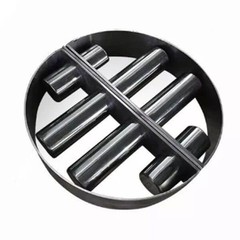
Neodymium Magnets

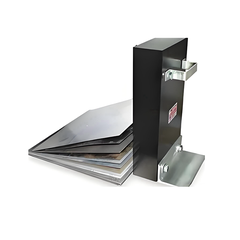
SmCo Magnets

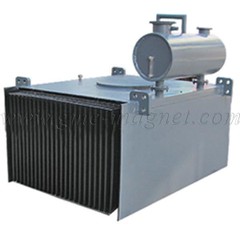
AlNiCo Magnets

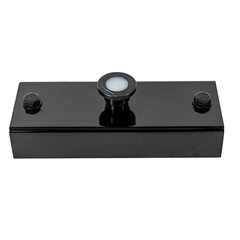
Ferrite Magnets
Magnet Grades Explained
When you select magnets for engineering or industrial applications, understanding the grading system is essential because magnet grade directly determines performance, temperature resistance, and suitability for your working environment. If you only compare magnets by size or price, you may miss critical differences that affect long-term reliability and efficiency.
NdFeB Grades (N35 – N52)

Neodymium magnets are classified mainly by numbers such as N35, N42, N48, and N52. In general, the higher the number, the stronger the magnetic performance you can expect under standard conditions. However, higher grade does not always mean better for your application, especially when temperature or cost constraints are involved.
|
Grade |
Strength Level |
Typical Use Case |
|
N35 |
Standard |
General industrial use |
|
N42 |
Medium-high |
Motors, sensors |
|
N48 |
High |
Compact high-force systems |
|
N52 |
Maximum |
High-performance engineering systems |
If your application requires compact design and maximum force, you may prefer higher grades. But if cost or stability matters more, mid-range grades are often more practical.
Temperature Ratings
Temperature rating is just as important as magnetic strength. If you operate in environments with heat exposure, choosing the wrong rating can lead to permanent performance loss.
|
Type |
Max Operating Temp |
Application Environment |
|
N |
~80°C |
Standard indoor use |
|
H |
~120°C |
Moderate heat environments |
|
SH |
~150°C |
Industrial motors |
|
UH |
~180°C+ |
High-temperature systems |
When you design a system, always match temperature rating with real operating conditions instead of focusing only on strength.
SmCo & Ferrite Grade Systems
SmCo and ferrite magnets use different grading logic compared to NdFeB. Instead of N-series numbers, they focus more on energy product and temperature stability.
|
Material |
Strength Level |
Key Advantage |
Typical Focus |
|
SmCo |
Medium-high |
High temperature stability |
Aerospace, oil & gas |
|
Ferrite |
Low |
Cost + corrosion resistance |
Mass production, general use |
If your priority is extreme temperature stability, SmCo is the better choice. If your project is cost-sensitive and does not require high force, ferrite is usually sufficient.
Strength Comparison Overview

When you compare different magnet materials, it is important to understand that strength is not only about pull force, but also about how each material performs under temperature, cost pressure, and environmental conditions. In real applications, you should always evaluate magnets based on a balanced view of performance rather than a single specification.
|
Material |
Strength Level |
Temperature Resistance |
Cost Level |
Key Advantage |
|
NdFeB |
Very High |
Medium |
Medium |
Maximum magnetic force |
|
SmCo |
High |
Very High |
High |
Extreme temperature stability |
|
AlNiCo |
Medium |
High |
High |
Long-term stability |
|
Ferrite |
Low |
High |
Low |
Cost efficiency & corrosion resistance |
How to Choose the Right Magnet Strength
When you select a magnet for your application, the most reliable approach is not to focus only on "strongest" or "cheapest," but to evaluate how the magnet will perform under your actual working conditions. A structured selection process helps you avoid performance failure, overspecification, and unnecessary cost.
Required holding force
You should first define how much force your application really needs in real working conditions. This includes load weight, safety factor, and whether there is any movement or vibration. In practice, many buyers overestimate or underestimate this value, which leads to inefficient design or weak performance.
Working temperature
Temperature has a direct impact on magnetic performance. If your system operates in a hot environment, you must choose a grade with proper thermal resistance. Otherwise, even a strong magnet may lose performance permanently over time.
Installation space and geometry
Although not always considered first, available space is critical. In compact designs, you may need higher-grade materials like NdFeB to achieve the same force in a smaller size. Larger spaces may allow more flexible and cost-efficient options.
Environmental conditions
You should consider whether your application is exposed to moisture, corrosion, vibration, oil, or dust. For example, ferrite magnets perform well in corrosion resistance, while NdFeB usually requires a protective coating.
Cost vs performance balance
Finally, you should balance technical requirements with budget. The strongest magnet is not always the best solution. In many industrial cases, a mid-grade magnet provides the best combination of stability, cost efficiency, and durability.
Common Applications by Strength
When you select magnet strength in real industrial projects, you should always align it with the specific application requirements, because different industries demand very different levels of force, stability, and durability.
Magnet strength selection depends heavily on industry use:
Industrial Automation and Fixtures: You need stable, high holding force for positioning and assembly accuracy in production lines.
Motor and Sensor Systems: You should prioritize consistent magnetic performance for precise control and signal stability.
Magnetic Separation Equipment: Strong and reliable force is required to separate metal contaminants efficiently.
Construction and Precast Concrete Systems: You need durable magnets that can withstand vibration, dust, and heavy-duty use.
Packaging and Holding Solutions: You should Holding Solutions dequate force for repeated daily operation.
FAQ
Q: What is the strongest type of magnet?
A: Neodymium magnets (NdFeB) are the strongest permanent magnets available today, offering the highest magnetic force in a compact size for most industrial applications.
Q: Is N52 always better than N42?
A: Not always. While N52 provides higher magnetic strength, you should consider working temperature, cost, and stability-N42 can often perform more reliably in real operating environments.
Q: What magnet works best in high temperature conditions?
A: Samarium cobalt magnets perform best under high heat, maintaining stable magnetic performance even in extreme industrial or aerospace environments.
Q: What is the difference between ferrite and neodymium magnets?
A: Ferrite magnets are more cost-effective and corrosion-resistant, but weaker; neodymium magnets are significantly stronger and allow much smaller, more powerful designs.
Conclusion
Selecting the right magnet strength is not just about choosing the strongest material, but about understanding how different types, grades, and performance factors work together in real industrial conditions. From neodymium magnets offering maximum force in compact designs, to samarium cobalt providing excellent high-temperature stability, and ferrite solutions delivering cost efficiency, each option serves a specific engineering need. When you evaluate BHmax, temperature resistance, holding force, and application environment together, you can avoid over-specification and ensure stable long-term performance. At GME Magnet, we focus on helping you match the right magnetic solution to your real working conditions, so you get reliable performance, optimized cost, and consistent supply for your industrial applications-not just a product.
