










Rubber coated magnets are engineered magnetic assemblies designed for industrial environments where strong holding force must be combined with surface protection, vibration resistance, and long-term durability.
Compared with standard neodymium magnets, rubber-coated versions provide better stability under real-world operating conditions, especially in automotive, machinery, marine, and manufacturing applications.
This page explains the structure, operating principle, advantages, and industrial applications of rubber-coated magnets to help engineers and procurement teams make the right selection.
What Are Rubber Coated Magnets?
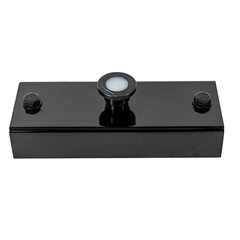
Rubber coated magnets are industrial magnetic assemblies made by enclosing a strong neodymium or ferrite magnet inside a steel housing and covering it with a durable rubber layer. When you use them in your applications, you benefit from a combination of high magnetic strength and surface protection in one compact design. The steel base concentrates magnetic force to improve holding performance, while the rubber coating helps protect the contact surface from scratches, corrosion, and impact damage. It also increases friction, so the magnet stays more stable on vertical or vibrating steel surfaces. You will typically find rubber coated magnets used in automotive fixtures, machinery setups, outdoor installations, and industrial positioning systems where reliability and surface safety are equally important.
How Rubber Coated Magnets Work
Rubber coated magnets work through a combination of magnetic design and protective engineering effects that together ensure strong holding force, stable positioning, and safe surface contact in real industrial applications.
Magnetic Flux Concentration System
Inside the structure, the steel housing acts as a magnetic circuit that channels and concentrates magnetic flux toward the working surface. This allows you to achieve stronger and more efficient holding force compared with an exposed magnet of the same size, especially when mounted on thick or uneven steel surfaces.

Friction Enhancement Effect
The rubber outer layer significantly increases surface friction, helping you maintain stable positioning even under vibration or vertical load. This is particularly important in machinery environments where movement can cause slippage.
Surface Isolation Protection
The rubber coating creates a protective barrier between the magnet and the contact surface, preventing scratches, corrosion, and impact damage. This ensures you can reuse the magnet safely without damaging valuable equipment or finished surfaces.
Key Advantages of Rubber Coated Magnets
The main value of rubber coated magnets lies in how they improve usability and reliability in demanding industrial conditions, especially when compared with bare neodymium magnets.
Surface Protection for Sensitive Materials
When you use rubber coated magnets, the rubber layer prevents direct metal-to-metal contact, helping protect painted, polished, or coated surfaces from scratches, dents, and wear. This is especially important in automotive assembly, precision equipment, and finished metal structures where surface quality must be maintained.
Strong Anti-Slip Performance in Dynamic Environments
The rubber coating significantly increases friction, allowing you to maintain stable positioning even on vertical surfaces or in vibrating machine environments. This improves safety and reduces the risk of displacement during operation, especially in industrial fixtures and tooling systems.
Excellent Corrosion and Weather Resistance
Rubber coated magnets provide an additional protective barrier against moisture, dust, oil, and mild chemicals. When you use them outdoors or in humid environments, they help extend service life and reduce performance degradation compared to exposed magnets.
Shock Absorption and Impact Resistance
In real industrial handling, impacts are unavoidable. The rubber layer helps absorb mechanical shock, reducing the risk of magnet chipping, cracking, or sudden failure. This makes them more reliable during installation, transportation, and repeated use.
Noise Reduction in Industrial Use
Compared with bare magnets that can create sharp contact noise, rubber coated magnets provide a softer engagement surface. This helps you reduce operational noise in assembly lines, workshops, and repeated mounting applications, improving working comfort and environmental quality.
Flexible OEM Mounting Integration
Rubber coated magnets can be customised with different mounting structures such as threaded holes, studs, countersunk designs, or hooks. This allows you to integrate them directly into OEM equipment, fixtures, or industrial systems without additional modification, improving design flexibility and installation efficiency.
Industrial Applications of Rubber Coated Magnets
Rubber coated magnets are widely used across multiple industrial sectors where you need a combination of strong holding force, surface protection, and reliable performance in demanding working environments.

Automotive Industry
In automotive production, you can use rubber coated magnets for temporary fixture positioning, assembly alignment, and paint-safe holding operations. They help protect finished surfaces while ensuring stable placement during manufacturing processes.
Industrial Manufacturing
In general manufacturing, these magnets are used for jigs, tooling fixtures, and metal part positioning. You benefit from stable magnetic holding without damaging machine surfaces or workpieces.
Warehouse and Logistics Systems
In storage and logistics environments, rubber coated magnets are often used for tool organization, signage mounting, and temporary installation systems. They provide flexible and reusable holding solutions.
Engineering and Maintenance
For maintenance work, you can rely on them for equipment repair positioning, prototype assembly, and temporary alignment tasks, where quick installation and removal are required without surface damage.
Rubber Coated Magnets vs Standard Neodymium Magnets
|
Comparison Factor |
Rubber Coated Magnets |
Standard Neodymium Magnets |
|
Surface Protection |
Rubber layer prevents scratches, dents, and coating damage |
No protection, direct metal contact may damage surfaces |
|
Anti-Slip Performance |
High friction, stable on vertical or vibrating surfaces |
Lower friction, easier to slip under vibration |
|
Corrosion Resistance |
Better resistance due to rubber sealing layer |
Easily oxidised without coating protection |
|
Impact Resistance |
Rubber absorbs shock and reduces chipping risk |
Brittle, prone to cracking or edge damage |
|
Noise Level |
Low noise during contact and operation |
Metal-to-metal contact can create sharp noise |
|
Environmental Use |
Suitable for outdoor, humid, and industrial environments |
Limited in harsh or wet environments |
|
Mounting Flexibility |
Can include threads, hooks, countersunk designs |
Usually limited to simple mounting forms |
|
Overall Application Value |
Better for industrial systems requiring durability and safety |
Better for simple, low-cost magnetic use cases |
How to Choose Rubber Coated Magnets
Choosing the right rubber coated magnets is important because it directly affects the performance, safety, and service life of your industrial application. When you evaluate specifications correctly, you can ensure stable holding force and reliable operation in real working environments.
Required Holding Force
You need to first determine the actual working load. Holding force is affected by magnet size, steel thickness, and surface condition. If there is an air gap, even a small one, the performance can drop significantly. You should always select a margin above your required load for safety.
Working Environment
You should consider whether your application is indoor or outdoor, dry or humid, and whether it involves oil, dust, or chemicals. Harsh environments require stronger corrosion protection and more durable rubber coating.
Mounting Structure
Rubber coated magnets come in different designs such as threaded holes, hooks, or countersunk options. You should choose the mounting type based on how you plan to integrate it into your equipment or fixture system.

Rubber Coated Magnets Threaded Holes

Rubber Coated Magnets Hooks

Rubber Coated Magnets Rubber Coated Magnets
Why Global Buyers Choose Rubber Coated Magnets
Global buyers choose rubber coated magnets because they offer a reliable balance of magnetic strength, surface protection, and long-term durability in real industrial applications. When you use them in your projects, you are not only getting strong holding force, but also reducing the risk of surface damage, corrosion, and vibration-related failures. Compared with standard magnets, rubber coated versions perform more consistently in harsh environments such as outdoor installations, automotive production, and industrial equipment systems. You also benefit from lower maintenance costs and improved safety during handling and operation. In addition, their flexible mounting options make it easier for you to integrate them into different OEM designs and fixture systems. For these reasons, rubber coated magnets have become a preferred choice for engineers and procurement teams who value stability, efficiency, and long service life in demanding applications.
FAQ
Q: What are rubber coated magnets used for?
A: Rubber coated magnets are used for industrial holding, mounting, and positioning applications where you need strong magnetic force with surface protection, such as automotive, machinery, and warehouse systems.
Q: Are rubber coated magnets waterproof?
A: Yes, they offer good resistance to moisture and humidity because the rubber layer helps protect the internal magnet from water and environmental exposure.
Q: How strong are rubber coated magnets?
A: Their strength depends on magnet size and grade, but they provide high holding force while also improving stability through added friction from the rubber coating.
Q: Can rubber coated magnets be used outdoors?
A: Yes, they are suitable for outdoor use due to their corrosion resistance and protective rubber coating, which improves durability in harsh environments.
Q: Do rubber coated magnets damage surfaces?
A: No, the rubber coating prevents direct metal contact, helping protect painted, polished, or sensitive surfaces from scratches and impact damage.
Conclusion
Rubber coated magnets are engineered industrial magnetic solutions designed for environments where standard magnets cannot provide sufficient protection and stability.
By combining strong neodymium magnetic force with a protective rubber coating and steel housing structure, they deliver a balanced solution for industrial mounting, holding, and positioning applications.
If you are looking for stable quality, OEM customisation, and consistent performance for industrial use, choosing a reliable supplier is just as important as selecting the right product. You can explore professional rubber coated magnet solutions at GME Magnet to support your engineering and production needs.