



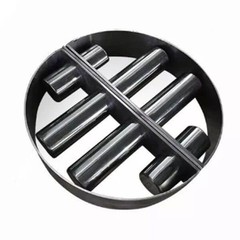
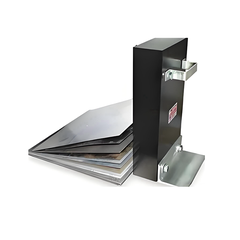


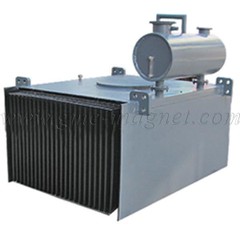

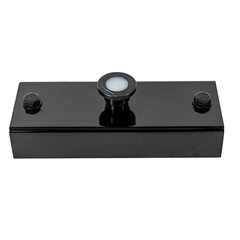





Alnico magnets form a special part of the history of magnetic materials, as they were the first permanent magnetic materials made in the world. These magnets are made from an aluminum, nickel, cobalt, iron, and minor metals combination, which creates Alnico. Alnico Magnets were once the strongest permanent magnets before the advent of rare earth magnets in the few years of 1970s and 1980s.
While the newer rare earth magnets tend to pull more weight in terms of aspects of pure magnetism, Alnico Magnets possess their properties that still have a great market popularity and usage. They stand out on features such as corrosion resistance, temperature stability, and magnetism sustainability. These qualities have placed them firmly in today's markets, including engineering and aerospace, education, and music industries.
In this blog, we will examine the topic of Alnico Magnets, move on to how they are made, discuss Types of Alnico Magnets, and finally examine the Common uses of Alnico magnets to discover why they continue to be a significant part of magnetic technology in the twenty-first century.
What Are Alnico Magnets?
What are Alnico Magnets? They refer to a particular class of permanent magnets that is manufactured from an aluminum, nickel, cobalt, and iron alloy with a slight addition of other materials. This precise combination renders Alnico Magnets an exceptional magnetic feature and high-temperature stability making for its many applications.
These magnets are available in two forms:
Isotropic (non-directional): May be magnetized in any direction to meet the desired specialty of the many applications.
Anisotropic (directional): Tend in one particular direction and have more intense and sharp magnetic field lines.
The highlights that come under Alnico Magnets include maintaining magnetic strength and operation in high temperatures: it works in environments containing heat up to 930°F (500°C). They also exhibit high resisting forces against demagnetization, which makes them suitable for challenging and dynamic applications.
How Are Alnico Magnets Made?

This involves two primary manufacturing methods: casting and sintering. These techniques determine the shape and size of the magnet and its magnetic properties. Therefore, these techniques are essential for Alnico Magnet's tailor-made for different applications.
1. Casting Process
The molten alloy is poured into a mold made from resin-bonded sand, which is called the casting method. This method is used to make large or complex magnetized magnets of superior magnetic properties. Cast Alnico Magnets are a favorite in applications with these considerations, as the casting process is customizable more easily than sintered.
2. Sintering Process
The smaller magnets required in high volume are better suited to being sintered. The method is to fill a powdered alloy into a defined shape and then heat to bond the material. The cost-effective and efficient small, uniform component applications of Sintered Alnico Magnets.
3. Magnet Grades and Alloy composition
The grade of an Alnico Magnet is determined by its composition of aluminum, nickel, cobalt, and additional elements such as iron, copper, or Titanium. The key characteristics of the magnet are defined by which combination of these materials it is made of – how it combines the thermomagnetic properties that the magnet needs.
4. Alnico Magnets: unique characteristics
Alnico magnets aren't easy to cold work with the way other materials can. Instead, they are manufactured by heated processes such as sintering or casting to attain their final shape and properties. This approach is very careful so that they can always stay at exceptional temperature stability, corrosion resistance, and magnetic strength.
Types of Alnico Magnets

The basic type of Alnico magnets is as varied as their uses, every form and size of the Alnico magnet is made to suit a particular purpose. Some types of shapes include bar, cylindrical, rod, horseshoe, pot, and ring magnets, which is steady for several businesses.
1. Bar or Block Magnets
The Bar or Block Alnico Magnets are often common and perhaps the typical ones that are most often seen in educational institutions when showing the effects of a magnetic field. They can be suitable for those types of applications that do not require complex operations such as automation, separation, and holding operations. Despite low magnetic attraction compared to others, because of their minimal pole region, they are still used in simple magnetic tests.
2. Cylinder Magnets
Cylinder Alnico Magnets include straight parallel sides with a round cross-section. They are also used in precision operations like sealing, sensing, amplifying, and coin-handling mechanism devices. These magnets are commonly used in pickups of guitars and amplifiers and also in all actuators because they have very high density as well as stability.
3. Rod Magnets
Alnico magnets that come in a rod shape resemble cylinders, just that they are mostly utilized in different tools and medical equipment. Due to high coercivity and strong magnetic output, it is stable at high temperatures which makes it suitable for high field applications.
4. Horseshoe Magnets
Horseshoe Alnico magnets have a 'U' shape allowing their poles to lie in the same direction, resulting in a tremendous boost of the magnet's strength. They are used to grab metallic objects of different sizes within an industry or class through this excellent design.
5. Pot Magnets
These magnets come as pot magnets, holding or mounting Alnico Magnets types of magnets are designed for holding purposes. They are a good replacement for conventional hardware and support the benefits of fixturing and other fastening methods – detachable and relocatable.
6. Ring Magnets
Alnico magnets for specific situations are ring-shaped or donut magnets; they always have a hole in the middle. Because of their unique polarization, they are well suited to scientific experiments and medical devices, such as temporarily disabling implanted defibrillators during malfunction.
7. Coating Options
Alnico Magnets are naturally resistant to corrosion and oxidation, thereby frequently eliminating the need for coatings. But for either aesthetic or functional reasons, they are sometimes painted or plated with materials including chrome or nickel. They can help increase surface hardness, increase bonding, and can help improve the surface itself.
Alnico Magnets Uses

Alnico Magnets are essential for their versatility across every industry. Used in traditional and advanced applications, their ability to perform under high temperatures, produce strong magnetic fields, and possess long-term stability under various conditions make them relevant for such usage.
1. Electrical and Electronic Applications
Electric Motors and Generators: In terms of hysteresis properties, Alnico Magnets are the right choice for application in electric motors and generators. The advantages are that they provide a cost-effective and efficient means of capturing them versus more expensive electromagnets, and the performance is consistent.
Sensors and Reed Switches: The high service temperatures required for sensors such as reed switches require Alnico Magnet. They are placed in many security systems to set off alarms if doors or windows are opened.
Microphones and Guitar Pickups: Alnico Magnets are known as magnets that produce smooth and warm tones and have become a favorite of musicians. In microphones, they provide vintage audio quality, and in electric guitar pickups, they influence the tone of the electronic guitar, known as the Alnico tone.
Loudspeakers: Alnico magnets were used first in speakers in the 1950s and 1960s, and because of that, audio systems were revolutionized. These can produce the warm tones bound to be present in such music.
2. Industrial Applications
Lifting, Separating, and Holding: Alnico Magnets perform the tasks of lifting heavy metal sheets, separating components, and holding them securely in place during the assembly.
Heat Treatment Jigs: Alnico magnets are used in metalworking, where they are used to weld a metal sheet together because of their ability to withstand high temperatures.
Traveling Wave Tubes: Travelling wave tubes exploit these magnets for traveling radio frequency signals through specialized vacuum devices used in electronics to amplify radio signals. And their magnetic properties guarantee the focusing of an electron beam for maximum performance.
3. Educational Applications
An Alnico Magnet is an iconic example of Alnico Magnets in education, we are talking about the classic red-painted horseshoe magnet. For decades, students learned about the basic principles of magnetism, magnetic fields, and electromagnetic properties with them. Because of their durability and easy-to-handle design, they are a great option for hands-on learning for a wide range of ages.
Benefits of Alnico Magnets
Alnico magnets have been manufactured uniquely and followed by a set of properties and compositions, which has made them a preferred choice for a vast number of industries.
1. Resistivity to Demagnetization and High Temperature Stability
One of the reasons that Alnico Magnets are so famous is that they can remain strong magnetically even in high-temperature environments. At resistances up to 930°F (500° C), these are ideal for applications where thermal stability is critical. Besides, they are very resistant to demagnetization and thus have high reliability over centuries in dynamic and particularly challenging conditions.
2. A Durable, Cost Effective Alternative to Rare Earth Magnets
However, magnets such as rare earth magnets (Neodymium) have higher magnetic strength, and Alnico Magnets offer a cheap yet durable option. Constant developments over the past decades have greatly contributed to making them a language for industries demanding both strong and economical magnetic solutions.
3. Temperature Coefficient to Advantage
Delivering unmatched performance consistency, Alnico Magnets are the only magnet with the lowest reversible temperature coefficient of 0.02 percent per degree Celsius. Their stability makes them superb for use in precision applications, where the amount of magnetic force fluctuation must be reduced.