




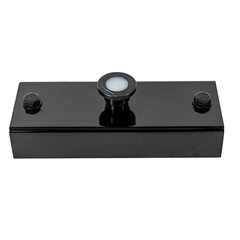
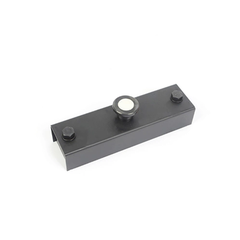



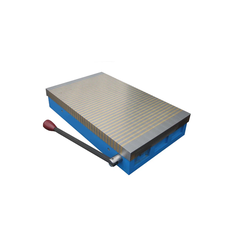


Pot magnets are everywhere, but most buyers don't fully understand how to choose the right one. From neodymium pot magnets with extreme holding force to ferrite pot magnets for cost-effective solutions, each type serves a different purpose.
So how do you know which one fits your application? In this guide, we break it all down.
What Is a Pot Magnet?
A pot magnet is a magnetic assembly that combines a magnet core with a steel shell to create a stronger and more focused holding force. You may also see it called a cup magnet or mounting magnet. For you, this means a pot magnet can give reliable magnetic performance in a compact size, making it useful for holding, fixing, mounting, and positioning metal parts. The steel cup helps direct the magnetic field to one working face, which improves efficiency compared to a regular exposed magnet. Pot magnets can be made with different materials such as neodymium, ferrite, alnico, or ceramic, depending on your application. They can also include optional parts like threaded holes, hooks, or rubber coatings, giving you more flexibility for industrial, workshop, display, and equipment mounting use.
How Does a Pot Magnet Work?
A pot magnet works by using a steel shell to guide and concentrate the magnetic field generated by the inner magnet. For you, this means the magnetic force is focused on one working surface, creating a much stronger holding effect compared to a regular magnet. The steel cup also reduces magnetic loss and protects the magnet from damage. When you place it on a clean, flat steel surface, you can achieve maximum holding strength and more reliable performance in real applications.
Types of Pot Magnets
Different types of pot magnets are designed for different mounting methods, strength requirements, and working environments. Choosing the right type will directly affect your holding performance and installation efficiency.
|
Type |
Structure Feature |
Key Advantages |
Typical Uses |
Best For You If |
|
Countersunk Pot Magnet |
Flat head hole for screw mounting |
Flush installation, secure fixing, clean appearance |
Sign mounting, panels, furniture, display systems |
You need a stable, hidden installation with screws |
|
Threaded Pot Magnets |
Internal or external thread |
Easy to connect with bolts or hooks, flexible installation |
Machinery, automotive, and industrial fixtures |
You need an adjustable or detachable mounting |
|
Deep Pot Magnets |
Deeper steel cup design |
Stronger holding force, better magnetic concentration |
Heavy-duty holding, industrial clamping |
You need maximum strength in a small space |
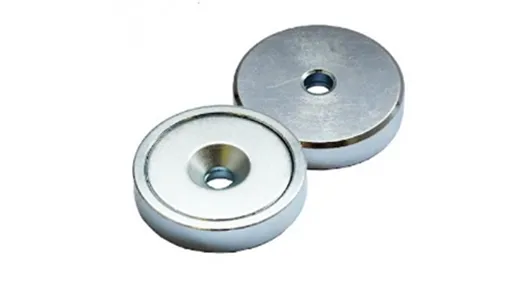
Countersunk Pot Magnet

Threaded Pot Magnets
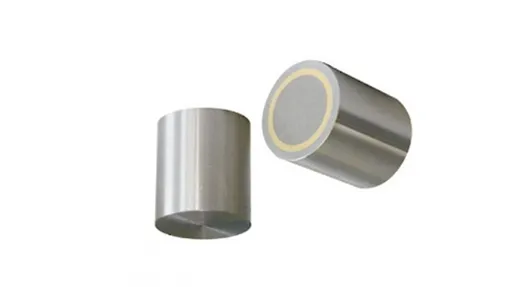
Deep Pot Magnets
Pot Magnet Uses
Pot magnets are used in many industries because they give you a simple, strong, and reliable way to hold, mount, or position metal parts.
Workholding And Fixture Positioning
You can use pot magnets to hold metal components in place during assembly, machining, or inspection. They help improve positioning accuracy and make your setup faster and more repeatable.
Tool Holding And Workshop Use
In workshops, pot magnets are often used to hold tools, hand equipment, or metal accessories. This helps you keep your work area organised and makes frequently used items easier to access.

Signage And Display Mounting
For signs, panels, and display systems, pot magnets give you a clean and removable mounting solution. They are useful when you want secure fixing without permanent installation.
Pot Magnet vs Regular Magnet
Before you choose between them, it is important to understand how pot magnets differ from regular magnets in strength, protection, and practical use.
Holding Force Comparison
A pot magnet usually gives you a stronger holding force than a regular magnet of similar size because the steel cup concentrates the magnetic field on one working face. This makes it a better choice when you need a compact but powerful mounting solution.
Durability And Protection
Pot magnets are generally more durable because the steel shell helps protect the magnet from chipping, cracking, and impact during handling or installation. A regular magnet is more exposed and can be damaged more easily.
Installation Flexibility
Pot magnets give you more installation options, such as countersunk holes, threaded stems, hooks, or rubber coatings. This makes them easier to use in fixing, hanging, and positioning applications.
When Not To Use Pot Magnets
You should not use pot magnets when you need magnetic force on multiple sides, flexible shapes, or direct contact with non-flat and non-steel surfaces, where holding performance may drop significantly.
|
Comparison Aspect |
Pot Magnet |
Regular Magnet |
|
Holding Force |
You get a higher holding force in a compact size because the steel cup concentrates the magnetic field on one surface. |
You get a weaker holding force in comparison, as the magnetic field is spread out in multiple directions. |
|
Durability and Protection |
The steel shell protects the magnet from damage, making it more durable for industrial use. |
The magnet is exposed, so it is easier to chip, crack, or wear during use. |
|
Installation Flexibility |
You can choose different mounting options like threaded holes, countersunk holes, hooks, or rubber coatings for easier installation. |
You have limited installation options and often need adhesives or external fixtures. |
|
When to Use |
Best when you need strong holding, secure mounting, and long-term reliability on flat steel surfaces. |
Suitable for simple applications where high strength or mounting is not required. |
|
When NOT to Use |
Not ideal if you need magnetic force on multiple sides or on uneven/non-metal surfaces. |
Better for multi-directional magnetic use or flexible placement without mounting requirements. |
What Affects Real Holding Force?
The rated pull force of a pot magnet does not always match real working performance, because actual holding strength depends heavily on the surface, environment, and how the force is applied.
Surface Material
You will get the best holding force on clean ferromagnetic materials such as steel. If the surface is non-magnetic, painted, or coated, the magnetic performance can drop a lot.
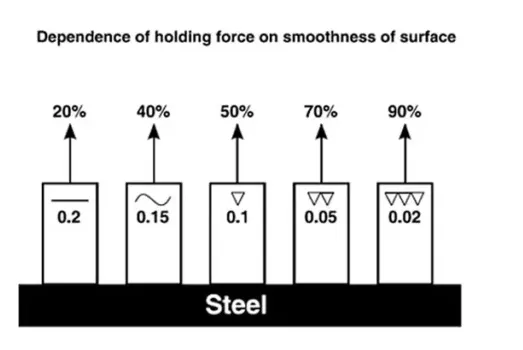
Surface Thickness And Flatness
A thick, flat steel surface gives you better contact and a stronger holding force. Thin, curved, or uneven surfaces reduce magnetic efficiency.
Air Gap Impact
Even a small air gap caused by dirt, paint, rust, or spacing can noticeably reduce holding power. Better contact means better results.
Vertical Pull Vs Shear Force
Vertical pull is usually stronger than shear force. If your application involves sliding, the real holding performance may be lower.
Temperature And Environment
High temperatures, moisture, and corrosive conditions can affect both the magnet and its coating, so you should match the material to the working environment.
Rubber Coating And Friction
Rubber coating may slightly reduce direct pull force, but it improves friction, anti-slip performance, and surface protection in real use.
How to Choose the Right Pot Magnet
Choosing the right pot magnet is easier when you look at your actual use case instead of only comparing size or price.
Define Your Application
You should first know whether the pot magnet will be used for holding, mounting, hanging, or positioning. This helps you narrow down the right structure and avoid choosing a model that does not fit your real task.
Choose Material
You can choose neodymium for high holding force, ferrite for a more economical option, or alnico for higher temperature environments. The right material depends on the strength and working conditions you need.
Select Mounting Type
You should choose the mounting style based on how the magnet will be installed, such as countersunk, threaded, hook, or plain type.
Consider The Environment
You also need to think about moisture, corrosion, temperature, and surface protection. For outdoor use, rubber-coated or corrosion-resistant options are often better.
Determine Holding Force
You should estimate the actual load, contact surface, and safety margin so you can choose a pot magnet with enough real working strength.
Custom Pot Magnets Solutions
Custom pot magnet solutions help you match the product more precisely to your installation method, working environment, and performance requirements.
Custom Size And Holding Force
You can customise the diameter, height, and magnetic strength of a pot magnet based on your actual application. This helps you get the right balance between holding force, space limitation, and product cost.
Custom Mounting
If standard models do not fit your design, you can choose custom mounting options such as internal thread, external thread, countersunk hole, hook, or special connection structures. This makes installation easier and more reliable.
Custom Coating
You can also select custom coatings to improve corrosion resistance, surface protection, or anti-slip performance. Common options include nickel, zinc, rubber, and stainless steel finishes.
OEM Branding And Bulk Production
For long-term projects, you can request OEM branding, custom packaging, and bulk production support, which helps you build a more consistent supply solution for your market.
FAQ
Q: What is a pot magnet used for?
A: A pot magnet is mainly used for holding, mounting, and fixing metal objects. You can use it in applications like fixture positioning, tool holding, signage installation, and equipment mounting, where a strong and reliable magnetic force is required.
Q: Why is a pot magnet stronger than a regular magnet?
A: A pot magnet is stronger because the steel cup concentrates the magnetic field onto one working surface. This allows you to get a higher holding force in a smaller size compared to a standard magnet.
Q: What is the difference between neodymium and ferrite pot magnets?
A: Neodymium pot magnets provide much stronger holding force and are suitable for heavy-duty applications. Ferrite pot magnets are more cost-effective and offer better corrosion resistance, making them a good choice for general use.
Q: Why does the actual holding force seem lower than the rated pull force?
A: The rated pull force is measured under ideal conditions. In real use, factors like surface material, thickness, air gap, and mounting angle can reduce the actual holding strength. You should always consider a safety margin when selecting a pot magnet.
Summarize
Pot magnets give you a compact, strong, and reliable solution for holding, mounting, and fixing metal parts in many industrial and commercial applications. By understanding how they work, the different types available, and what affects real holding performance, you can choose a product that truly fits your needs. You should always consider your application, mounting method, environment, and required holding force before making a decision. If you are not sure which model is right for you, GME can support you with professional recommendations, custom pot magnet solutions, and a stable bulk supply to help you achieve better performance and efficiency in your project.