











If your business involves manufacturing or assembly, you've likely worked with magnets at some point. Whether you're building electric motors, automating machinery, or packaging products, magnets play a big role in improving efficiency and reducing manual labor. But they're not always easy to work with, especially when you need to modify them.

You might be asking yourself, "Can you drill a hole in a magnet?" or wondering which type of magnet is best for your setup. In this guide, you'll learn the basics of industrial magnets, how to handle them safely, and how to properly drill or integrate them into your workflow.
What Types of Magnets Are Used for Industrial Use?
The three main types you should know about are permanent magnets, temporary magnets, and electromagnets. Each has its own special use and strength.
Permanent Magnets
These are the magnets you probably deal with the most. They are called "permanent" because once they become magnetized, they keep their magnetic power over time. They don't need electricity or any outside force to work. They can lose their strength if they are exposed to very high or low temperatures or if they are hit hard. When this happens, the tiny magnetic areas inside them called dipoles get messed up, which weakens the magnet.
Some common types of permanent magnets used in industries include:
● Ferrite magnets: These are low-cost and good for everyday use.

● Neodymium (NdFeB): These magnets are very strong and can be used in compact spaces.

● Alnico: They are good at staying magnetic at high temperatures.

● Samarium cobalt (SmCo): SmCo is strong and resistant to rust and heat.

Temporary Magnets
Temporary magnets are a bit different. They only become magnets when they are near something magnetic or inside a magnetic field. Once that field is gone, they lose their magnetism. You can think of objects like paper clips or iron nails; they stick to a magnet when closed but don't stay magnetic themselves.
These magnets are useful when you only need magnetism for a short time or in situations where it needs to be controlled. They're not as strong as permanent magnets, but they're useful for sorting, testing, or simple holding tasks.
Electromagnets
Electromagnets work with electricity. You make one by wrapping wire around a piece of metal, like iron, and then passing an electric current through it. When the electricity flows, the metal becomes a magnet. The great thing about electromagnets is that you can turn them on or off and even change how strong they are by increasing or decreasing the electric current.
These magnets are very common in industrial machines, cranes that lift heavy metal, and even in electric motors and magnetic locks. If you need flexibility and control over magnet strength, electromagnets are the way to go.
Electromagnets are widely used in industrial applications because they can be easily controlled. However, there are times when modifying the magnet itself becomes necessary, such as drilling a hole for mounting or other purposes. This leads to a common question: Can you drill holes in magnets? Let's get straight into this question and find out what you need to know to drill them properly.
Can You Drill a Hole in a Magnet?
Yes, you can drill a hole in a magnet, but it must be done very carefully and with the right tools. Not all magnets can handle drilling. Some may break, weaken, or lose their magnetism completely if you try to drill them without the proper method. Before you begin, here are some important safety instructions to keep in mind.
It's important to understand that drilling magnets can be hazardous. The process may cause fragmentation or result in a complete loss of magnetism, so it's essential to use professional tools and take appropriate safety precautions. Always wear safety goggles, dust masks, and heat-resistant gloves to protect yourself from flying particles, dust, and heat during the drilling process.

You should avoid drilling magnets that are already magnetized unless you know exactly what you're doing. Drilling can create heat, which may cause the magnet to lose its magnetic strength or become fully demagnetized. Small or thin magnets are also very risky to drill because they can shatter easily.
Step-by-Step Guide to Drilling Holes on Magnets
Drilling holes in magnets is not something you can do casually. It takes planning, special tools, and a steady hand. Here's a step-by-step guide to help you get it right.
Step 1: Magnet Preparation
Before you even touch a drill, you need to get the magnet ready. Start by cleaning it so there's no dust or dirt on the surface. Then, shape or size the magnet, if needed, based on your project. After that, carefully mark the exact spots where the holes will go.
This helps you stay accurate during drilling. Once it's marked, place the magnet firmly in a holding container or a clamp. It's very important that the magnet doesn't move during the process. Any shaking can cause cracks or break it completely.
Step 2: Tool Selection
Not all drill bits can handle magnets. You need special ones, like diamond-tipped or cobalt bits, because magnets are usually very hard and brittle. Choose your tool based on how hard the magnet is and how deep you want the hole to be.
Using the wrong tool can lead to poor drilling, damaged magnets, or even injury. This is where having the right knowledge makes all the difference.
Step 3: Drilling Set-Up
Now that the magnet is secure and you have your tools ready, it's time to prepare the drilling machine. You'll need to adjust the settings, like how fast the drill spins and what angle it goes in.
These settings matter because they affect how clean and accurate the hole will be. If the drill goes too fast, it can overheat the magnet. If the angle is off, the hole won't be in the right place.
Step 4: Actual Drilling
Once everything is set up, you can start drilling. Slowly lower the drill bit onto the magnet exactly where you marked the hole. Go gently and avoid pushing too hard. Let the machine do the work.
Applying too much pressure can cause the magnet to chip or even snap in half. Depending on your needs, you can adjust how wide or deep the hole should be but always stick to the original plan to avoid problems.
Step 5: Cooling
While the drill is working, it creates friction, and that leads to heat. Heat is a big problem when drilling magnets. It can weaken their magnetic power or even demagnetize them completely.
To stop this from happening, use a cooling liquid or lubricant. Apply it to the drill bit and the magnet's surface to keep the temperature under control. This also helps the drill bit move smoothly without getting stuck.
Step 6: Cleaning
After you finish drilling, you'll see tiny bits of magnet material and leftover coolant on the surface. Use a soft brush or clean cloth to wipe it all off. Make sure the hole is clean, too. No dust or debris should be left inside. Cleaning is important because any leftover materials can interfere with the magnet's performance or cause damage later.
Step 7: Inspection and Quality Control
Now that your magnet has a hole in it, don't rush to use it right away. Take some time to inspect it carefully. Check the hole size and position, and look closely for any cracks, chips, or weak spots.
Make sure the magnet still meets your design needs and has not lost its magnetic power. If everything looks good, then your magnet is ready to go.
How Are Magnets Used in B2B Manufacturing Sectors?

Magnets are important in many industries you work with and directly impact the products and services you offer. In the automotive industry, magnets power electric motors in things like windows, seats, and windshield wipers, making them more convenient for you. They also play a key role in sensors that monitor wheel speed for safety systems like anti-lock brakes.
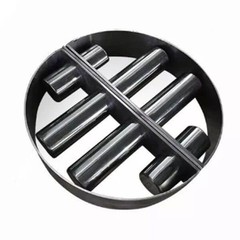
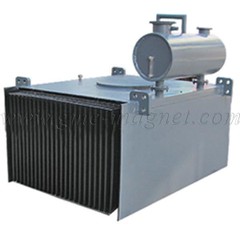
You'll find magnets in fuel pumps, airbag actuators, steering sensors, power seat and window motors, dashboard instruments, and even car stereo speakers. In industrial equipment, magnets improve the performance of motors, transformers, and amplifiers and help with lifting and moving materials. They also assist in magnetic separation to remove contaminants and in material handling on conveyor systems, making your products more reliable.
In consumer electronics, magnets are essential in devices like speakers, microphones, and hard drives, helping you create good sound and store data. Without magnets, these devices wouldn't work as well. In manufacturing, magnets are used to lift and move materials safely, improve efficiency, and keep products clean by removing contaminants. Magnetic conveyor systems also make handling materials easier and faster.
The Bottom Line!
This guide has everything you need to confidently work with magnets in your industrial manufacturing process. From understanding the different types of magnets to answering the question, can you drill a hole in a magnet? We've covered all the essentials to help you get the best results.
In industrial manufacturing, selecting and using magnets correctly is vital to both efficiency and safety. Whether you're modifying a magnet or integrating it into your production line, it's important to understand its characteristics and the associated risks. If you need expert support in optimizing your magnet solutions, our team is here to help.
We hope you found this information useful. Stay tuned for more tips on improving your manufacturing workflow, and feel free to reach out if you have any questions.