



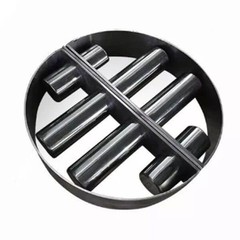
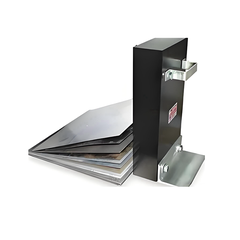


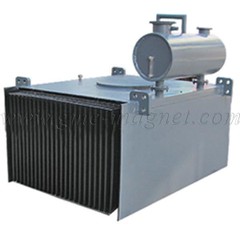

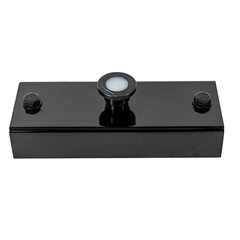





In various industrial applications, securely holding workpieces during machining operations is essential for achieving precision and efficiency. Magnetic chucks, known for their strong holding power, have emerged as a popular choice in manufacturing. By utilizing the power of magnetism, these devices provide a reliable and efficient solution for clamping workpieces during various machining processes. This article will explore magnetic chucks' uses, advantages, and working principles and their applications in different industries.

II. Types of Magnetic Chucks
A. Permanent Magnetic Chucks
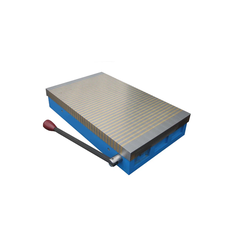
Permanent magnetic chucks are devices used in machining and metalworking industries to hold and secure ferromagnetic workpieces during various operations such as grinding, milling, and drilling. They provide a solid and reliable magnetic grip on the workpiece, allowing for efficient and accurate machining. Permanent magnetic chucks utilize a fixed magnetic field generated by permanent magnets. These magnets can retain their magnetic properties over a long period, making them a reliable choice for various applications.
B. Electromagnetic Chucks
Electromagnetic chucks, also known as magnetic chucks or magnetic work holding systems, are devices used in manufacturing and machining processes to hold ferromagnetic materials securely in place during machining, grinding, or other operations. They utilize the principles of electromagnetism to create a strong magnetic field that attracts and holds the workpiece.
C. Electro-Permanent Magnetic Chucks
Electro-permanent magnetic chucks combine the benefits of both permanent magnets and electromagnets. They use a short pulse of electricity to switch the magnetic field on or off, providing the convenience of an electromagnetic chuck with the added advantage of retaining the magnetic force even when power is disconnected. Electro-permanent magnetic chucks offer quick activation and deactivation of the magnetic field, precise control over the clamping point, and reduced power consumption. They are widely used in machining centers, grinding machines, and assembly processes.
III. Working Principles of Magnetic Chucks

Magnetic field generation
The permanent magnet assembly in magnetic chucks is designed to generate a solid and uniform magnetic field. It typically consists of high-quality magnets, such as neodymium magnets, known for their high magnetic strength.
The magnets are carefully arranged in a specific configuration to ensure a uniform magnetic field across the surface of the magnetic chuck. This arrangement may vary depending on the particular design of the magnetic chuck and the desired magnetic field strength.
Electromagnetic coil arrangement
The permanent magnet assembly in magnetic chucks is designed to generate a solid and uniform magnetic field. These magnets are typically made from high-quality materials such as neodymium (NdFeB) or ceramic (ferrite) magnets, which have excellent magnetic properties.
The magnets are carefully arranged within the chuck to ensure a uniform magnetic field across the surface. This uniformity is important because it provides a consistent grip on the workpiece, preventing distortion or unevenness during machining operations.
Magnetic flux distribution
Magnetic flux distribution refers to the pattern or arrangement of magnetic flux lines in a magnetic field. Magnetic flux lines, also known as magnetic field lines, are imaginary lines used to represent the direction and strength of the magnetic field.
The magnetic flux lines are parallel and evenly spaced in a uniform magnetic field. The flux lines' density indicates the magnetic field's strength, with closer spacing representing a stronger field and wider spacing indicating a weaker area.
Flux density and lines of force
Magnetic flux density, also known as magnetic field strength or magnetic induction, is a measure of the power of a magnetic field. It is denoted by the symbol B and measured in units of tesla (T) or gauss (G).
The magnetic flux density at a particular point in space indicates the force experienced by a magnetic material placed at that point. It determines how strongly a magnetic field can interact with other magnetic materials. The greater the flux density, the stronger the magnetic field.
Uniformity of magnetic field
The uniformity of the magnetic field across the chuck surface is essential for achieving consistent clamping force and efficient workpiece holding. Here's how manufacturers typically ensure uniformity of the magnetic field in electromagnetic chucks
Clamping mechanism
A clamping mechanism is a device or system designed to hold objects firmly in place securely. Clamps are commonly used in various applications to prevent movement or dislocation of parts, ensuring stability and safety. The mechanism can be operated manually, hydraulically, pneumatically, or through other means.
IV. Magnetic Chucks Uses

Glass and ceramic processing
Magnetic chucks can hold glass and ceramic workpieces during machining, grinding, and polishing operations. The magnetic force ensures that the workpiece remains stable and does not vibrate, which can help to prevent chipping and cracking. The magnetic force can also help to prevent the workpiece from warping, which is especially important for thin or delicate glass and ceramic pieces.
Magnetic chucks are a versatile tool that can be used for various glass and ceramic processing operations. They are a safe and efficient way to hold workpieces and can help improve the finished product's accuracy and quality.
Plastic and polymer processing
Magnetic chucks can hold plastic and polymer workpieces during machining, drilling, and injection molding. The magnetic force ensures that the workpiece remains stable and does not warp, which can help improve the finished product's accuracy and quality.
Magnetic chucks are also suitable for holding plastic and polymer workpieces during assembly operations. They can help prevent the workpieces from moving or vibrating, leading to inaccurate results.
In addition to their practical benefits, magnetic chucks can be used to create appealing optical products. For example, magnetic chucks can hold plastic and polymer workpieces in place while laser engraved or decorated.
Medical device manufacturing
Magnetic chucks manufacture various medical devices, including surgical instruments, pacemakers, and artificial joints. The magnetic force ensures that the workpieces are held securely during machining, assembly, and testing operations.
It is essential for medical devices, as any inaccuracies or defects in the finished product could have serious consequences. Magnetic chucks are also a safe and sanitary way to hold medical devices. They do not require lubricants or coolants, which can reduce the risk of contamination.
Jewelry manufacturing
Magnetic chucks are used to manufacture jewelry, such as rings, necklaces, and earrings. The magnetic force ensures that the workpieces are held securely during sawing, drilling, and polishing operations. It is essential for jewelry manufacturing, as any inaccuracies or defects in the finished product could reduce its value or make it dangerous to wear.
Magnetic chucks are also versatile tools that can be used for various jewelry manufacturing operations. They are a safe and efficient way to hold workpieces and can help improve the finished product's accuracy and quality.
Aerospace manufacturing
Magnetic chucks manufacture aircraft and spacecraft components, such as turbine blades, landing gear, and fuselage panels. The magnetic force ensures that the workpieces are held securely during machining, drilling, and welding operations.
It is essential in the aerospace industry, where the tolerances are very tight, and any inaccuracies in the finished product could have serious consequences. Magnetic chucks are also a safe and reliable way to hold workpieces during aerospace manufacturing. They do not require lubricants or coolants, which can decrease the risk of fire or explosion.
Machining of ferromagnetic materials
Magnetic chucks are the most common work-holding device in machining ferromagnetic materials like steel, iron, and nickel. They provide a secure and stable hold on the workpiece, essential for accurate machining.
The magnetic force ensures that the workpiece does not vibrate or move during machining, which can lead to inaccurate results. Magnetic chucks are also a cost-effective option for machining ferromagnetic materials. They are relatively inexpensive and easy to use, making them a good choice for small and medium-sized businesses.
Grinding and polishing
Magnetic chucks are also used in grinding and polishing operations, where a stable hold on the workpiece is critical. The magnetic force helps to prevent the workpiece from vibrating or moving, which can lead to inaccurate results. In addition, the magnetic force can help to remove material from the workpiece more evenly, resulting in a smoother and more accurate finish.
Magnetic chucks are versatile tools used for various grinding and polishing operations. They are a safe and efficient way to hold workpieces and can help improve the quality of the finished product.
Assembly operations
Magnetic chucks can be used to hold workpieces in place during assembly operations. It is common in the automotive, aerospace, and medical device industries.
The magnetic force ensures the workpieces are securely in place, even when subjected to high pressures. It is essential in assembly operations, where the workpieces must be aligned precisely to create a functional product. Magnetic chucks are a safe and efficient way to hold workpieces during assembly operations, and they can help to improve the quality of the finished product.
Inspection and measurement
Magnetic chucks can also hold workpieces in place during inspection and measurement operations. It is a convenient way to secure the workpiece and prevent it from moving during inspection.
In addition, the magnetic force can help to hold the workpiece in a specific orientation, which is essential for some inspection and measurement operations. Magnetic chucks are a safe and efficient way to hold workpieces during inspection and measurement operations, and they can help to improve the accuracy of the results.
Wafer handling
In the semiconductor industry, magnetic chucks are used to hold wafers during various stages of the manufacturing process. The magnetic force helps to prevent the wafers from touching each other or from being damaged during handling.
It is essential in the semiconductor industry, where the wafers are exceptionally delicate, and any damage could result in product loss. Magnetic chucks are a safe and reliable way to hold wafers during semiconductor manufacturing. They do not require lubricants or coolants, which can reduce the risk of contamination.
V. Advantages of Magnetic Chucks

A. Enhanced Workpiece Stability
Magnetic chucks offer a solid and stable clamping force that keeps the workpiece securely in place, preventing movement and minimizing the risk of errors. By minimizing workpiece movement and vibration, magnetic chucks contribute to achieving smoother surface finishes and better overall machining results.
B. Increased Efficiency and Productivity
Magnetic chucks enable rapid workpiece positioning and change, reducing setup time and improving overall productivity. Compared to traditional clamping methods, magnetic chucks eliminate the need for complex setups and tedious alignment, saving valuable time during machining processes.
C. Flexibility and Adaptability
Magnetic chucks can accommodate various workpiece sizes and shapes, providing versatility and adaptability in different machining operations. From milling and grinding to woodworking and assembly, magnetic chucks can be utilized across various industries and machining processes, making them versatile tools.
VI. Safety Considerations
Operators should be cautious to avoid direct exposure to the magnetic field and follow proper safety procedures while handling and installing magnetic chucks. Appropriate electrical safety measures, such as grounding and insulation, should be followed when working with electromagnetic chucks to prevent electric shock hazards. Periodic cleaning and debris removal from the chuck surface is essential to ensure optimal magnetic performance and to avoid interference with workpiece clamping. Regularly inspecting the magnetic chuck's clamping force and magnetic integrity is crucial to identify potential issues and providing reliable and safe operation.
VII. Limitations and Challenges
Magnetic chucks have specific limits to their clamping force, and excessive force requirements may necessitate alternative clamping methods.
Certain materials, such as non-ferrous metals and non-magnetic alloys, may not be suitable for clamping using magnetic chucks due to their low magnetic permeability. Ensuring a uniform and distortion-free magnetic field across the chuck surface can be challenging, requiring careful design and calibration.
VIII. Future Developments and Innovations
Ongoing research and development in magnetic materials can lead to significant advancements in magnetic chucks, making them more powerful, efficient, and versatile clamping capabilities. The Integration of magnetic chucks with automated systems and robotics holds the potential to enhance productivity and streamline machining processes. Future advancements may focus on developing magnetic chucks with enhanced control over the magnetic field, allowing for customizable clamping forces and improved adaptability.
IX. Conclusion
In conclusion, magnetic chucks have proven valuable tools in various industries, offering secure and efficient workpiece clamping during machining operations. Magnetic chucks provide enhanced stability, increased productivity, and versatility in metalworking, woodworking, or assembly processes. Understanding the different types of magnetic chucks, their working principles, and safety considerations allows manufacturers to leverage their advantages effectively. With ongoing advancements and innovations, magnetic chucks are poised to play an even more significant role in the future of manufacturing, contributing to improved precision, efficiency, and overall quality.