



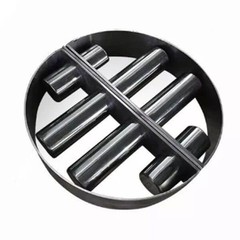
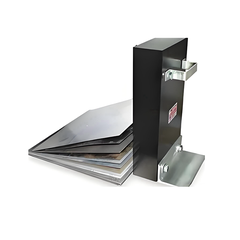


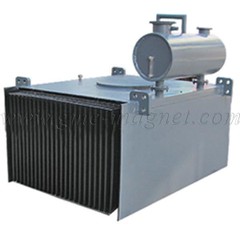

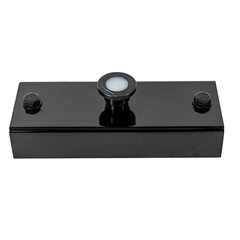



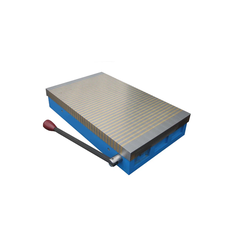


The magnetic separator uses the magnetic difference between minerals for separation, which can improve the grade of ore, purify solid and liquid materials, and recycle waste. It is one of the most widely used and highly versatile models in the industry. one.
Magnetic separators are widely used in mining, timber, kiln, chemical, food, and other industries. For the mining industry, the magnetic separator is suitable for wet or dry magnetic separation of manganese ore, magnetite, pyrrhotite, roasted ore, ilmenite, red limonite, and other materials with a particle size of less than 50 mm, and is also used for coal Iron removal operations and waste treatment operations for materials such as non-metallic ores and building materials.
The structure and working principle of magnetic separator
The magnetic separator (take the wet permanent magnet magnetic separator as an example) is mainly composed of a cylinder, roller, brush roller, magnetic system, tank body, and transmission part. The cylinder is rolled and welded by a 2-3mm stainless steel plate, and the end cover is cast aluminum or workpiece, which is connected to the cylinder by stainless steel screws. The motor drives the cylinder, magnetic roller, and brush roller to rotate through the reducer or directly with the stepless speed-regulating motor.

After the ore pulp flows into the tank through the ore feeding box, under the action of the water flow of the ore feeding water spray pipe, the ore particles enter the ore feeding area of the tank in a loose state. Under the action of the magnetic field, the magnetic ore particles undergo magnetic aggregation to form a "magnetic group" or "magnetic chain". The "magnetic group" or "magnetic chain" is affected by the magnetic force in the pulp, moves to the magnetic pole, and is adsorbed on the cylinder. Since the polarities of the magnetic poles are arranged alternately along the direction of rotation of the cylinder, and they are fixed during operation, when the "magnetic group" or "flux chain" rotates with the cylinder, magnetic stirring occurs due to the alternation of magnetic poles, and is mixed Non-magnetic minerals such as gangue in the "magnetic group" or "magnetic chain" fall off during the turning, and the "magnetic group" or "magnetic chain" that is finally attracted to the surface of the cylinder is the concentrate. The concentrate goes with the cylinder to the edge of the magnetic system where the magnetic force is the weakest and is discharged into the concentrate tank under the action of the flushing water jetted from the unloading water pipe, and the non-magnetic or weakly magnetic minerals are left in the pulp and discharged out of the tank with the pulp, which is tailings.
Magnetic circuit design and magnets of magnetic separator
A closed loop through which magnetic flux concentrates is called a magnetic circuit. The magnetic system of the magnetic separator needs to generate a magnetic field of a certain strength and requires that most of the magnetic flux in the magnetic field can be concentrated through the sorting space. The height, width, radius, and number of poles of the magnetic system, the magnetic potential difference between adjacent magnetic poles, the pole pitch, the ratio of the width of the pole face to the width of the pole gap, the shape of the pole and the pole face, and the distance from the pole face to the center of its arrangement The distance and so on have a great influence on the magnetic field characteristics.

The magnetic separator shown in the figure below is an example. The magnetic circuit part adopts a five-pole magnetic system. Each magnetic pole is made of ferrite and NdFeB permanent magnet blocks and is fixed on the magnetic guide plate through the center hole of the magnetic block with screws. Above, the magnetic guide plate is fixed on the shaft of the cylinder through the bracket, the magnetic system is fixed, and the cylinder can rotate. The polarity of the magnetic poles is arranged alternately along the circumference, and the polarity is the same along the axial direction. The roller made of stainless steel non-magnetic material is set outside the magnetic system. The non-magnetic material is used to prevent the magnetic field lines from entering the selection zone through the cylinder and forming a magnetic short circuit with the cylinder. The parts of the tank close to the magnetic system should also be made of non-magnetic materials, and the rest should be made of ordinary steel plates or hard plastic plates.
Magnetic circuit design and magnets of magnetic separator
A closed loop through which magnetic flux concentrates is called a magnetic circuit. The magnetic system of the magnetic separator needs to generate a magnetic field of a certain strength and requires that most of the magnetic flux in the magnetic field can be concentrated through the sorting space. The height, width, radius and number of poles of the magnetic system, the magnetic potential difference between adjacent magnetic poles, the pole pitch, the ratio of the width of the pole face to the width of the pole gap, the shape of the pole and the pole face, and the distance from the pole face to the center of its arrangement The distance and so on have a great influence on the magnetic field characteristics.
The magnetic separator shown in the figure below is an example. The magnetic circuit part adopts a five-pole magnetic system. Each magnetic pole is made of ferrite and NdFeB permanent magnet blocks and is fixed on the magnetic guide plate through the center hole of the magnetic block with screws. Above, the magnetic guide plate is fixed on the shaft of the cylinder through the bracket, the magnetic system is fixed, and the cylinder can rotate. The polarity of the magnetic poles is arranged alternately along the circumference, and the polarity is the same along the axial direction. The roller made of stainless steel non-magnetic material is set outside the magnetic system. The non-magnetic material is used to prevent the magnetic field lines from entering the selection zone through the cylinder and forming a magnetic short circuit with the cylinder. The parts of the tank close to the magnetic system should also be made of non-magnetic materials, and the rest should be made of ordinary steel plates or hard plastic plates.
*Magnetic field strength: A constant magnetic field should be generated in the specified working space, and the strength of this magnetic field determines what kind of permanent magnet material to use. The magnetic properties of NdFeB permanent magnets are much higher than those of ferrite.
*Requirements for magnetic field stability, that is, the influence and adaptability of permanent magnet materials to environmental factors such as temperature, humidity, vibration, and shock
*Mechanical properties, such as magnet toughness, flexibility, and compressive strength, etc.;
*Price factor