













Can magnets attract non - metallic objects? This is a question that has intrigued both scientists and curious minds for a long time. As a magnets supplier, I am often asked about the capabilities and limitations of magnets. In this blog post, I will explore the science behind magnetism and whether magnets can indeed attract non - metallic objects.
Understanding Magnetism
Magnetism is a fundamental force of nature. It is caused by the movement of electric charges. In magnets, the electrons in the atoms are arranged in such a way that their magnetic fields align, creating a net magnetic field. This magnetic field can interact with other magnetic fields or with materials that can be magnetized.
The most common materials that are attracted to magnets are ferromagnetic materials. These include iron, nickel, and cobalt. Ferromagnetic materials have a high magnetic permeability, which means they can be easily magnetized and are strongly attracted to magnets. But what about non - metallic objects?
Non - Metallic Objects and Magnetism
In general, non - metallic objects are not attracted to magnets. However, there are some exceptions. One such exception is graphite, a form of carbon. Graphite is a non - metal, but it has a unique structure that allows it to interact weakly with magnetic fields. The carbon atoms in graphite are arranged in layers, and the delocalized electrons in these layers can respond to an external magnetic field.
Another non - metallic material that can be affected by magnetic fields is oxygen. Oxygen is paramagnetic, which means it is weakly attracted to magnetic fields. However, this attraction is so weak that it is hardly noticeable in everyday situations.
Diamagnetic and Paramagnetic Non - Metallic Materials
Most non - metallic materials are diamagnetic. Diamagnetic materials create an induced magnetic field in the opposite direction of an applied magnetic field. This results in a very weak repulsion from the magnet. Examples of diamagnetic non - metallic materials include water, wood, and plastic.
On the other hand, paramagnetic materials are weakly attracted to magnets. In paramagnetic materials, the atoms have unpaired electrons, which create a small magnetic moment. However, the magnetic moment is much weaker compared to ferromagnetic materials. Some non - metallic paramagnetic materials include aluminum oxide and certain types of salts.
The Role of the Magnetic Field Strength
The ability of a magnet to attract or interact with a non - metallic object also depends on the strength of the magnetic field. Stronger magnets can have a more noticeable effect on non - metallic materials, even if the interaction is weak.
For instance, Strong Rare Earth Neodymium Disc Magnet are some of the strongest permanent magnets available. These magnets have a very high magnetic field strength, which can potentially cause a more significant interaction with non - metallic materials. Their strong magnetic fields can induce a measurable response in certain paramagnetic non - metallic objects.
Applications in Industry
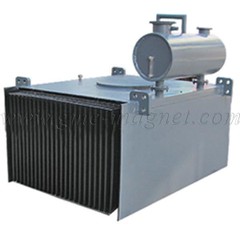
The interaction of magnets with non - metallic objects can have various applications in industry. For example, in the field of materials separation, magnets can be used to separate certain non - metallic materials from a mixture. By using a strong magnetic field, materials with different magnetic properties can be sorted out.
In addition, the study of how magnets interact with non - metallic objects is important in the development of new technologies. For instance, in the field of magnetic resonance imaging (MRI), the interaction of magnetic fields with the hydrogen atoms in the body (a non - metallic component) is used to create detailed images of internal organs and tissues.
Our Product Range
As a magnets supplier, we offer a wide range of magnets to meet different needs. N38sh Nicuni For Speaker Arc Magnet are specifically designed for speakers. These magnets provide a stable magnetic field, which is essential for the proper functioning of speakers. The arc shape of these magnets allows for a more efficient use of space and better sound quality.
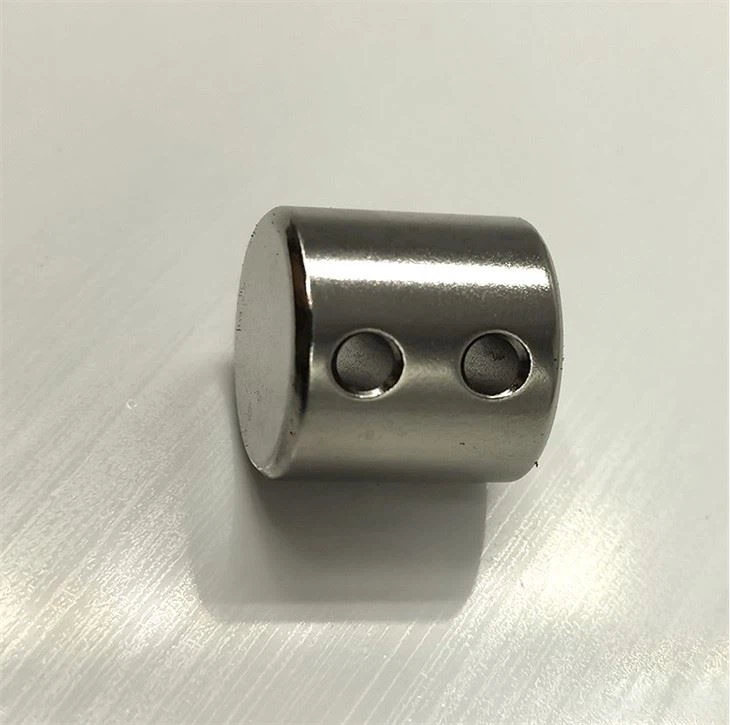
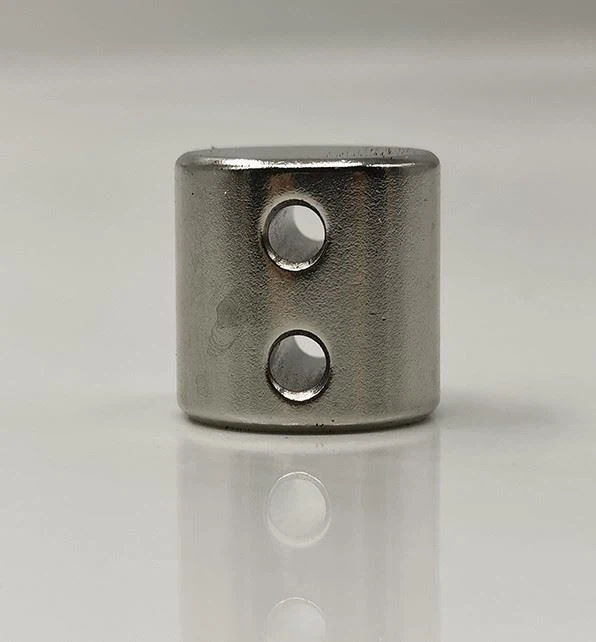
We also offer Neodymium Magnet Cylindrical Magnets Customized. These magnets can be customized according to your specific requirements. Whether you need a certain size, shape, or magnetic strength, we can provide you with the perfect solution. Our neodymium cylindrical magnets are widely used in various industries, such as electronics, automotive, and manufacturing.
Contact Us for Purchase
If you are interested in our magnet products, don't hesitate to contact us for a purchase negotiation. Our team of experts is ready to assist you in finding the right magnets for your application. We can provide you with detailed product information, pricing, and delivery options. Whether you are a small business or a large corporation, we are committed to providing you with high - quality magnets at competitive prices.
References
- Kittel, C. (1996). Introduction to Solid State Physics. Wiley.
- Griffiths, D. J. (1999). Introduction to Electrodynamics. Prentice Hall.
- Tipler, P. A., & Mosca, G. (2004). Physics for Scientists and Engineers. W. H. Freeman.