





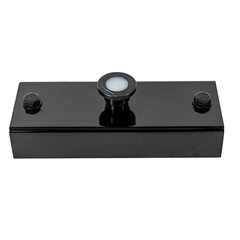
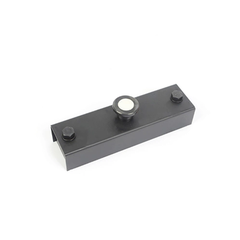



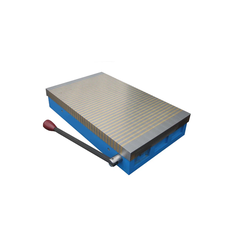


Hey there! I'm a supplier of cup magnets, and I often get asked about how to properly dispose of these nifty little items. Cup magnets are super useful in a variety of applications, from holding up tools in a workshop to creating cool custom displays. But when it's time to say goodbye to them, you gotta know the right way to do it. So, let's dive into the details of how to dispose of a cup magnet properly.
First off, let's understand what a cup magnet is. A cup magnet is basically a magnet housed in a steel cup. The cup serves two main purposes: it enhances the magnetic strength by concentrating the magnetic field and also protects the magnet from damage. The magnet inside is usually made of materials like neodymium, ferrite, or samarium cobalt, each with its own unique properties.
When it comes to disposing of a cup magnet, the first step is to check its current state. Is it still in good working condition? If so, you might want to consider reusing it or donating it. There are many DIY enthusiasts, hobbyists, or small businesses that could make great use of a gently used cup magnet. You could post it on local buy - sell - trade groups on social media or give it to a local maker space.
However, if the cup magnet is damaged, worn out, or just not needed anymore, proper disposal becomes crucial. The materials in a cup magnet, especially neodymium magnets, can be harmful to the environment if not disposed of correctly. Neodymium is a rare - earth metal, and improper disposal can lead to soil and water contamination.
One option for disposal is to take it to a recycling facility. But not all recycling centers are equipped to handle magnets. You'll need to find one that specializes in metal recycling or rare - earth element recycling. Before you head out, give them a call and ask if they accept cup magnets. Explain the composition of the magnet (the type of metal in the cup and the magnetic material inside) so they can advise you accordingly.


Another thing to be aware of is the magnetic field itself. Cup magnets can be quite strong, and they can interfere with other magnets, electronic devices, and even cardiac pacemakers. When transporting the cup magnet to the recycling facility, make sure to store it in a non - magnetic container. This will prevent it from attracting other metal objects or causing damage to nearby electronics.
If you can't find a suitable recycling facility, you might want to reach out to the manufacturer or supplier of the cup magnet. Some companies offer take - back programs, where they'll accept old or damaged magnets and ensure they're disposed of properly. Since I'm a cup magnet supplier, I encourage you to contact me if you're having trouble finding a way to dispose of your cup magnets. We might be able to help you out or point you in the right direction.
Now, let's talk a bit about some of the other magnetic products out there. If you're in the market for something different, check out our Permanent Magnet Lifter. It's a great tool for heavy - duty lifting applications. And if you're into customizing, the Round Badges Magnetic Customize Badge Magnet is perfect for creating unique badges. And for hanging things up, the Neodymium Hook Magnets Popular Magnetic Cup Hooks Neodymium Hanging Hooks are super strong and reliable.
In addition to proper disposal, it's also important to handle cup magnets with care during their use. Keep them away from small children and pets, as swallowing a magnet can be extremely dangerous. Also, when working with multiple cup magnets, be careful not to let them snap together too quickly, as this can cause them to shatter or cause injury.
If you've got any questions about cup magnets, whether it's about disposal, usage, or just want to learn more, don't hesitate to get in touch. I'm here to help you out with all your magnetic needs. Whether you're a DIYer, a business owner, or just someone with a passion for magnets, we can work together to find the best solutions for you.
So, if you're in the market to purchase cup magnets or any of our other magnetic products, I'd love to have a chat with you. Let's start a conversation about your requirements, and we can figure out the perfect magnetic solution for your project.
References:
- General knowledge about magnetic materials and their proper handling
- Environmental protection guidelines regarding rare - earth metals and metal recycling