











Hey there! As a supplier of Sm2Co17, I've been super interested in how low temperature affects its magnetic properties. Sm2Co17 is an amazing material with some pretty cool magnetic characteristics, and understanding how cold temperatures play into the mix can be really useful, whether you're in the manufacturing biz or just a magnet enthusiast.
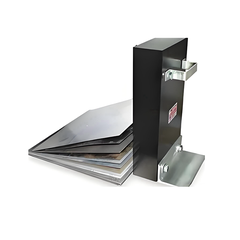
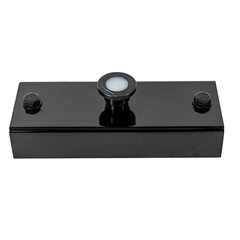
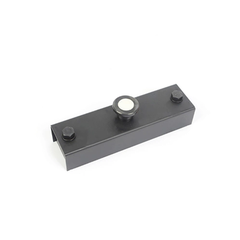
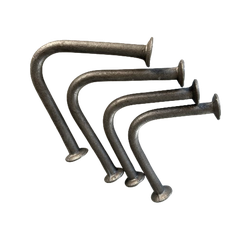
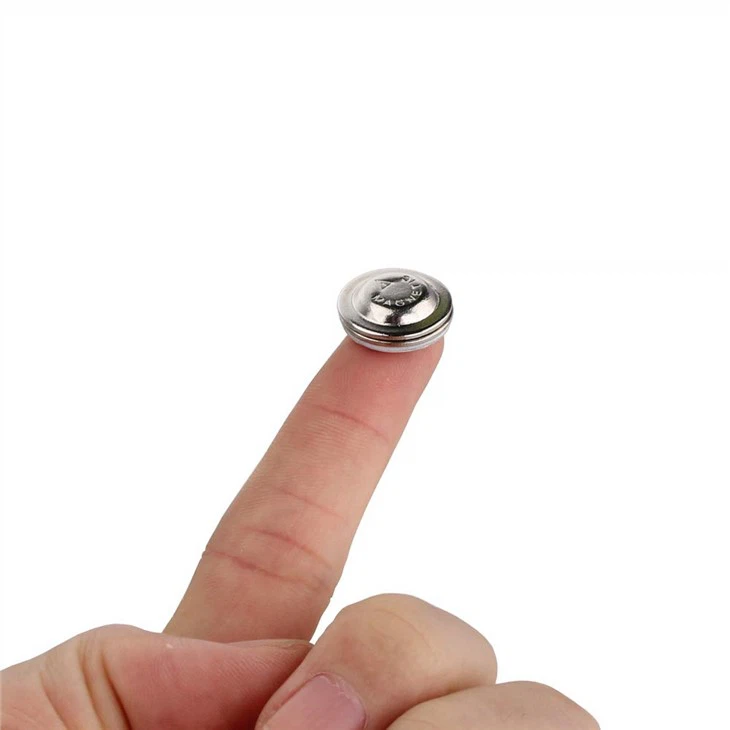
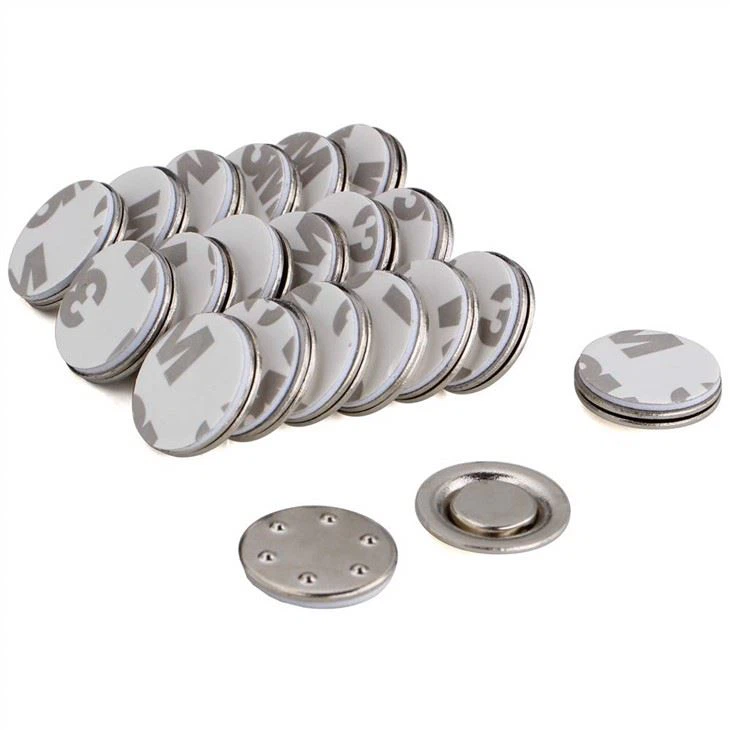
Let's start by getting a bit of background on Sm2Co17. It's a type of rare - earth magnet, known for its high energy product, excellent thermal stability, and strong coercivity. These properties make it a top choice for a wide range of applications, from small - scale stuff like Magnetic Name Tags Round Magnet Badge Factory Wholesale to large - scale industrial uses such as Shuttering Magnet Formwork System Precast Concrete Magnets.
Now, when it comes to low temperatures, things start to get interesting. At normal room temperature, Sm2Co17 has a well - defined magnetic structure. The magnetic moments of the samarium (Sm) and cobalt (Co) atoms are aligned in a certain way, which gives the material its overall magnetic properties. But as the temperature drops, a few key things happen.
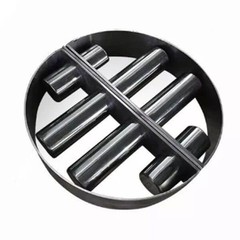
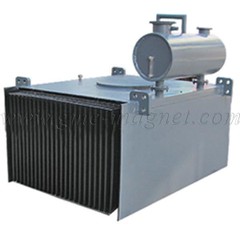
One of the main effects of low temperature on Sm2Co17 is an increase in coercivity. Coercivity is basically the ability of a magnet to resist demagnetization. When it gets colder, the thermal energy that usually causes the magnetic moments to wiggle around and misalign decreases. As a result, it becomes harder to change the direction of the magnetic moments, and the coercivity goes up. This is great news for applications where you need a magnet that can hold its magnetic field firmly, like in Bullet Magnets Iron Remover Magnetic Separator. You don't want the magnet to lose its strength easily when it's working to separate iron particles.
Another aspect is the change in the magnetization curve. At low temperatures, the magnetization of Sm2Co17 can reach higher values more quickly when an external magnetic field is applied. This is because the reduced thermal agitation allows the magnetic moments to align more readily with the external field. In practical terms, it means that you can get a stronger magnetic field from the same amount of Sm2Co17 at lower temperatures compared to higher ones.
However, it's not all sunshine and rainbows. Low temperatures can also bring some challenges. For example, the brittleness of Sm2Co17 can increase at very low temperatures. This is due to the change in the material's crystal structure and the way the atoms are bonded together. If the magnet is subjected to mechanical stress at low temperatures, it may be more likely to crack or break. So, when using Sm2Co17 in cold environments, you need to be careful about how you handle and install it.
In some cases, the low - temperature behavior of Sm2Co17 can also be affected by impurities and defects in the material. Even small amounts of impurities can change the way the magnetic moments interact with each other, altering the overall magnetic properties. That's why, as a supplier, we put a lot of effort into ensuring the high purity of our Sm2Co17 products. We use advanced manufacturing processes to minimize impurities and produce magnets with consistent and reliable magnetic properties, no matter the temperature.
Let's talk a bit more about the real - world applications of these low - temperature effects. In aerospace applications, for example, components often have to operate in extremely cold environments. Sm2Co17 magnets can be used in sensors, actuators, and other devices. The increased coercivity at low temperatures means that these magnets can maintain their performance even in the harsh conditions of space or high - altitude flight.
In cryogenic research, where scientists study materials at very low temperatures, Sm2Co17 magnets can be used to create strong magnetic fields. The fact that they can achieve higher magnetization at low temperatures is a big advantage in these experiments.
Now, if you're in the market for Sm2Co17 magnets, you're probably wondering how to choose the right ones for your specific needs, especially when considering low - temperature applications. First of all, you need to think about the operating temperature range. Different grades of Sm2Co17 have different temperature coefficients, which describe how the magnetic properties change with temperature. Make sure to choose a grade that can perform well within your expected temperature range.
You also need to consider the mechanical requirements. If your application involves any kind of mechanical stress at low temperatures, you may need to look for magnets with enhanced mechanical properties or use special mounting techniques to protect them from damage.
As a supplier, we're here to help you make the right choice. We have a team of experts who can answer all your questions about Sm2Co17 and its behavior at low temperatures. Whether you're working on a small - scale project or a large - scale industrial application, we can provide you with high - quality Sm2Co17 magnets that meet your specific requirements.
If you're interested in learning more or starting a procurement process, don't hesitate to reach out. We're always happy to have a chat about your needs and see how we can work together to get you the best Sm2Co17 magnets for your project.
References:
- "Magnetism and Magnetic Materials" by David Jiles
- Research papers on rare - earth magnets and their low - temperature properties from scientific journals like Journal of Applied Physics and IEEE Transactions on Magnetics.