










Hey there, foodies and kitchen enthusiasts! Today, I'm diving deep into the world of separators used in recipes. As a supplier of top - notch separators, I've seen firsthand how these nifty tools can make a huge difference in the cooking and baking process.
Let's start with the basics. Separators are tools that help us separate different components of ingredients. One of the most common types you'll find in a kitchen is the egg separator. We've all been there, trying to separate the yolk from the egg white. It might seem like a simple task, but it can be a real pain if you don't have the right tool. An egg separator can make this process a breeze. You just crack the egg into the separator, and the white drains through the holes while the yolk stays put. This is super important in recipes like meringues, where you need pure egg whites to get that light and fluffy texture.
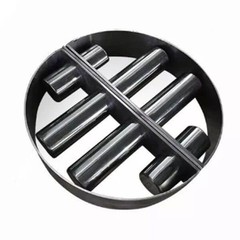
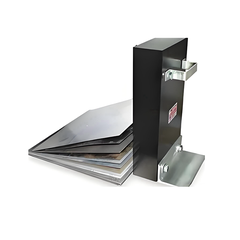
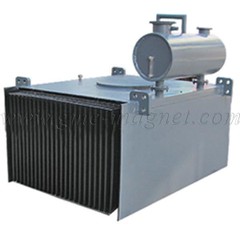
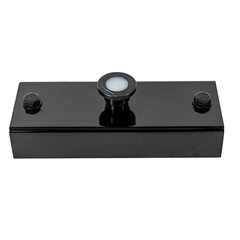
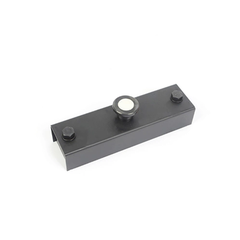
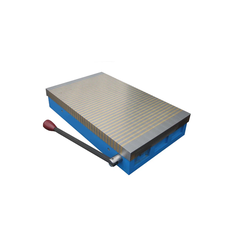
Another type of separator that's crucial in the food industry is the magnetic separator. Now, this might not be something you'd typically think of when it comes to recipes, but it plays a vital role in ensuring the safety and quality of our food. Magnetic separators are used to remove ferrous metals from ingredients. For example, in a large - scale bakery, grains might have small metal particles in them from the harvesting and processing equipment. A magnetic separator can catch these particles, preventing them from ending up in the final product. If you're interested in learning more about magnetic separators, check out this link: Bullet Magnets Pipeline Magnets Separator Magnetic Separation. These pipeline magnets are great for continuous flow applications, ensuring that the ingredients are clean and safe at all times.
In the dairy industry, cream separators are a must - have. Cream separators work by spinning milk at high speeds. Due to the difference in density between the cream and the milk, the cream rises to the top and can be separated. This is how we get different types of milk products, from whole milk to skim milk. In recipes, separated cream can be used to make delicious whipped cream, ice cream, or added to soups and sauces for a rich and creamy texture.
Now, let's talk about sieves and strainers. These are also a type of separator. A sieve is used to separate dry ingredients like flour, cocoa powder, or powdered sugar. By passing these ingredients through a sieve, you break up any lumps and aerate them. This results in a lighter and more evenly - mixed batter or dough. For example, when making a cake, sifting the flour can make the cake more tender and less dense. Strainers, on the other hand, are used for separating solids from liquids. You can use a strainer to strain the pulp from fruit juice or to separate cooked pasta from the cooking water.
Centrifugal separators are another powerful tool in the food processing world. They work on the principle of centrifugal force. In a centrifugal separator, a mixture is spun at high speeds, and the components separate based on their density. This is used in many industries, including the production of vegetable oils. The oil is separated from the plant material, and impurities are removed, resulting in a pure and high - quality oil that can be used in various recipes.
When it comes to choosing the right separator for your recipe or food production process, there are a few things to consider. First, think about the type of separation you need. If you're just making a simple cake at home, an egg separator and a sieve might be all you need. But if you're running a large - scale food production facility, you'll need more advanced separators like magnetic or centrifugal separators.
Second, consider the capacity of the separator. If you're only making small batches, a small - sized separator will do the job. But for commercial production, you'll need a separator with a high capacity to keep up with the demand.
Third, look at the ease of cleaning and maintenance. A separator that's difficult to clean can lead to cross - contamination and a shorter lifespan. Make sure the separator you choose has parts that are easy to disassemble and clean.


As a separator supplier, I know how important it is to have the right tools for the job. Whether you're a home cook looking to up your baking game or a food manufacturer aiming for the highest quality products, we've got a wide range of separators to meet your needs. If you're interested in purchasing separators for your kitchen or production facility, don't hesitate to reach out. We can discuss your specific requirements and find the perfect separator solution for you.
In conclusion, separators are an essential part of the recipe - making process. From simple egg separators to complex magnetic and centrifugal separators, these tools help us create better - tasting, safer, and higher - quality food. So, if you're in the market for a separator, give us a shout, and let's get you set up with the best tool for your needs.
References
- "Food Processing Technology: Principles and Practice" by P. J. Fellows
- "Encyclopedia of Food Science and Technology" edited by Benjamin Caballero, Lynne D. Capalash, and Paul M. Finglas