











Efficiency stands as the primary concern during mining operations. The mining industry needs B2B suppliers and stakeholders to find solutions that boost production speed while minimizing waste production and improving material value.
Magnetic separation is a solution many people miss but delivers excellent results in mining. Knowledge of magnetic separation remains essential for mining operators and equipment suppliers who serve mining clients since it improves operation and business performance.
This article presents clear, fruitful information on magnetic separation applications in mining operations and their various robust types, which will help you make better choices. It also explains magnetic technology fundamentals and its parameters for business growth.
Understanding Magnetic Separation: The Fundamentals
Magnetic separation is an industrial method that uses material magnetism to pull out magnetic components from non-magnetic elements. It is an essential extraction method for obtaining precious minerals from mined ore. A magnetic field activates magnetic particles to separate from other elements in mineral material processing operations.
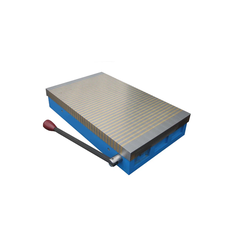
The mining industry employs different magnetic separators, including Low-Intensity Magnetic Separators (LIMS) and High-Gradient Magnetic Separators (HGMS). LIMS systems are used for ferromagnetic materials, but HGMS separators specialise in extracting weakly magnetic substances from non-magnetic components.
Understanding the basic principles behind magnetic separation can help people realise its essential function in optimising mining operational efficiency.
Types of Magnetic Separators Used in Mining
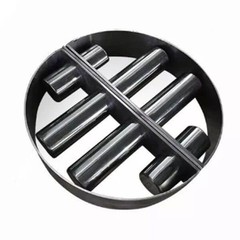
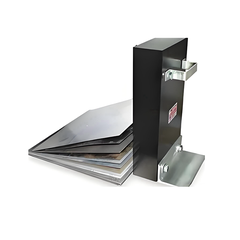
The mining industry uses diverse magnetic separators to extract minerals while removing metallic impurities. You can make the correct equipment selection for your operations by studying the various types of magnetic separators. These products have been specially designed to eliminate ferrous impurities from multiple materials, leading to clean final products and shielding downstream processing equipment. Some of the valuable types are discussed below.
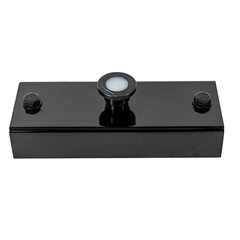
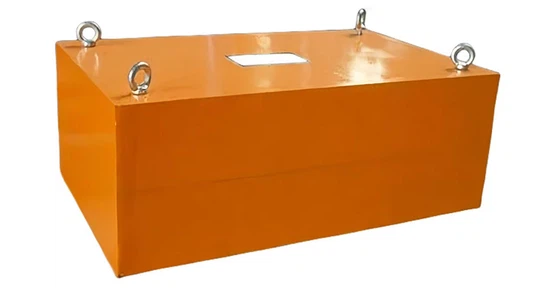
Suspension Permanent Magnetic Iron Separator
When installed above conveyor belts, permanent magnetic separators find their applications for ferrous object removal. The separators function optimally in grain and feedstuff, fertilisers, glass cement, and plastic production lines. The permanent magnetic configuration enables these devices to operate without interruptions, reducing operational costs and requiring minimal maintenance.
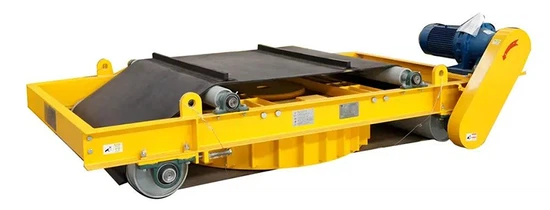
Self-Cleaning Permanent Magnetic Separator
The self-cleaning permanent magnet separator includes an automatic ferrous material discharge system, which decreases manual maintenance requirements and operational stoppage time. These separators work well in production systems that need steady elimination of iron, especially during continuous operation.
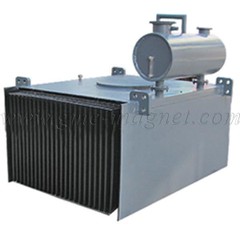
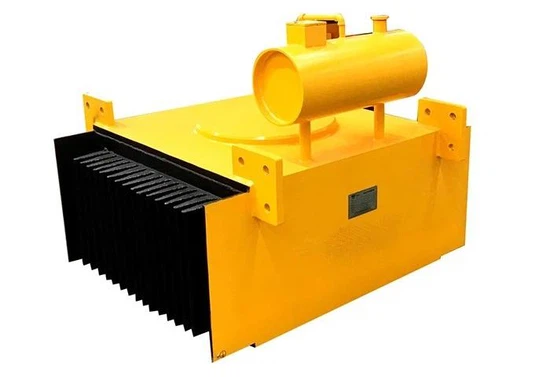
RCDF Oil Self-Cooling Electromagnetic Separator
The RCDF Oil Self-Cooling system maintains proper operating temperatures, thus improving performance and operational lifespan. These separators extract ferrous contaminants from non-magnetic materials in industries such as electricity, mining, metallurgy, and coal dressing.
Armoring Permanent Magnet Separator Mining Equipment
Armoring Permanent Magnet Separator incorporates protective armoured belts that shield against broken ferromagnetic objects. The separators provide a strong magnetic force to operate reliably in harsh conditions and automatically remove iron without electrical power.

Magnetic Separator for Belt Conveyor
It operates specifically for the magnetic separation of metal ores smaller than 3mm under wet conditions. The separators process fine materials while achieving high recovery levels of valuable minerals.
Drum Magnetic Separators
The drum magnetic separator rotates a cylindrical drum that carries an immobile magnet within its structure. The drum surface attracts magnetic particles that move away from non-magnetic material during the passage of the material. The magnetic separators work for dry and wet separation processes and serve as preferred solutions for concentrating ferromagnetic ores.
Integrating advanced magnetic separator conveyor products allows operations to remove ferrous contamination efficiently while protecting equipment and maintaining final product quality.
Applications of Magnetic Separation in Different Mining Sectors
As a B2B supplier or mining solutions consultant, you work with clients who operate in multiple mining sectors. Magnetic separation brings essential value to overcome specific challenges in every industry sector.
The following section explains magnetic separation technology implementation within the main mining industry sectors.
Iron Ore Mining
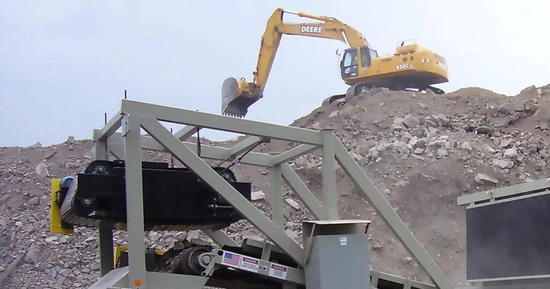
The magnetic separation technology finds its most widespread application during the beneficiation of iron ores, specifically focusing on magnetite and hematite types. Low-intensity magnetic separators effectively process these particular ores at reasonable costs with high operational efficiency.
When iron ore producers implement magnetic separators into their beneficiation systems, they recover better-grade material with minimised waste production. Operational profitability and competitive product pricing remain essential to your clients, which these methods deliver.
Rare Earth Element Mining
The magnetic properties of rare earth minerals, including monazite and bastnäsite, are usually very weak. High-gradient and high-intensity magnetic separators are equipment for extracting valuable elements from challenging mineral ores. The expansion of manufacturing electronics, defence products, and renewable energy sectors drives increased rare earth requirements because of their high market value and fundamental material importance.
As a solution provider who delivers improved recovery solutions in rare earth mining, your role will establish you as an essential strategic partner for the developing specialisation.
Coal Processing
Magnetic separation technology benefits the quality of coal mining end products and removes unwanted tramp iron. Early metal contaminant removal through operations protects crushers and grinding mills while improving throughput and decreasing ash content in the final product.
Magnetic separation solutions provide coal operations with a helpful method to enhance fuel efficiency while meeting emission requirements.
Non-Metallic Mineral Mining
Magnetic separation benefits feldspar, quartz, kaolin, and silica sand extraction operations. The purification process eliminates iron-bearing impurities from these materials, which would stain or damage the end product. High-intensity separators represent the best solution since they can detect and extract microscopic magnetic particles.
Your assistance enables your clients to produce higher-purity materials, allowing them to dominate the glassmaking, ceramics, and electronics markets.
Gold and Precious Metals Recovery
The non-magnetic nature of gold does not prevent magnetic separation from aiding ore processing when it eliminates magnetite and other iron-bearing impurities as a preliminary step. This enhancement makes the separation methods used in gold mining more efficient.
High-end operators find integrated processing solutions more desirable because they improve different stages of operations.
Factors to Consider When Choosing Magnetic Separation Equipment
Magnetic separator selection requires more than maximum power to match your client's precise mining application requirements. Your role as a B2B seller should focus on helping customers choose appropriately because this establishes trust, which leads to lasting business relationships.
The following factors should be your main points of evaluation.
Material Composition and Magnetic Properties
The initial step in equipment recommendation requires knowing what minerals exist in the ore your client handles. The material exhibits three potential states: strong magnetism, weak magnetism, or no magnetic properties. For example:
Ferromagnetic ores: Drum separators can easily separate magnetite-type ferromagnetic ores because of their magnetic properties.
Paramagnetic ores: Ilmenite, garnet, and other paramagnetic ores need high-intensity or high-gradient separators to extract them effectively.
Non-magnetic ores: Magnetic removal of contaminants remains beneficial for non-magnetic ores even if these substances cannot be separated through magnetic methods.
Equipment recommendation requires a proper understanding of ore characteristics as its foundation.
Particle Size and Distribution
Each magnetic separator system performs best when used for particular particle dimensions. Drum or overband separators are best for handling coarse materials, while high-gradient or disc separators are best for fine particles.
You should recommend technologies to your client who processes ultrafine minerals because these technologies deliver high recovery rates while avoiding clogging and efficiency problems. Providing this degree of information differentiates your recommendations from standard solutions.
Processing Capacity Requirements
It is vital to grasp your client's anticipated throughput capacity. The operation requires assessment regarding its size as either a small-scale site or a high-capacity plant. Magnetic separators exist in numerous dimensions, including basic single-drum units and advanced multi-stage systems.
The proper selection of separator capacity according to demand requirements reduces operational stoppages by avoiding bottlenecks.
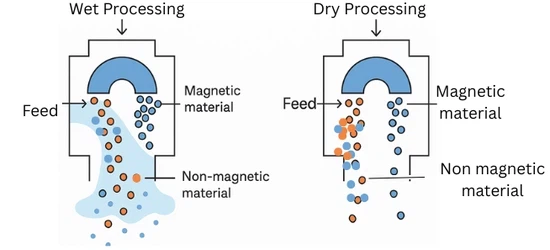
Dry vs. Wet Processing
The success of separation relies on determining whether operations will use dry methods or wet ones. Dry separation systems are best suited for dry materials but require less maintenance than other processes. Wet separators become essential because slurry processes require them, and dispersing particles results in better separation outcomes.
Your solution recommendation enables clients to prevent costly mistakes while enhancing their process results.
Maintenance and Durability
The equipment used in industrial mining operations requires the ability to handle severe operational conditions. Your examination for separators should prioritise models featuring durable components alongside excellent cleaning accessibility and short maintenance periods. The quality of your service-oriented systems determines how much value your clients perceive in your supplier role.
Examine how easily the manufacturer supplies spare parts and supports clients, as these aspects will matter to customers in the future.
Conclusion
Magnetic separation is a fundamental method used in modern mining operations to optimise recovery rates. At the same time, it decreases equipment wear and enhances processing efficiency by efficiently removing valuable minerals from unwanted materials.
B2B sellers in the mining sector should add magnetic separation solutions to their products since these solutions improve their offering and optimise client operations with a reliable, sustainable, and cost-effective solution tailored to individual processing needs.
Through magnetic separation implementation, your clients can achieve both short-term and lasting success, establishing your essential role in their development within the complexity of mining technology.