











Selecting an unsuitable rare-earth magnet for an industrial application often leads to premature failure-such as demagnetization at high temperatures, corrosion due to the lack of an appropriate protective coating, or costs that exceed the requirements of the application. Key factors for distinguishing between the two primary families of rare-earth magnets-neodymium-iron-boron and samarium-cobalt include magnetic strength, temperature resistance, coating type, and cost. This guide will walk you through the essential selection criteria, helping you choose the most appropriate magnet for a wide range of applications, from magnetic separation to electric motor manufacturing.
What Are the Main Types of Rare Earth Magnets?
For industrial use, you will mainly choose between neodymium and samarium cobalt magnets, depending on your performance requirements and operating conditions.
Neodymium Magnets
Neodymium magnets combine neodymium, iron, and boron. You can achieve high magnetic output within limited space, making them useful for motors, sensors, and holding assemblies. However, you need to match the grade to your operating temperature and select suitable corrosion protection.
Samarium Cobalt Magnets
Samarium cobalt magnets are worth considering when your equipment requires greater temperature stability. They generally resist corrosion better than NdFeB, although chemical exposure still needs assessment. Their brittleness requires careful handling and mounting.
Key Differences Between NdFeB and SmCo
| Selection Factor | NdFeB | SmCo |
| Magnetic energy density | Generally higher | Generally lower |
| Temperature stability | More temperature-sensitive | More stable |
| Corrosion protection | Usually required | Application-dependent |
| Material cost | Generally lower | Generally higher |
| Your selection priority | Compact magnetic output | Thermal stability |
Key Factors to Consider When Choosing Rare Earth Magnets
Eight factors cover nearly every industrial magnet decision; check yours against each.
Magnetic Strength and Grade
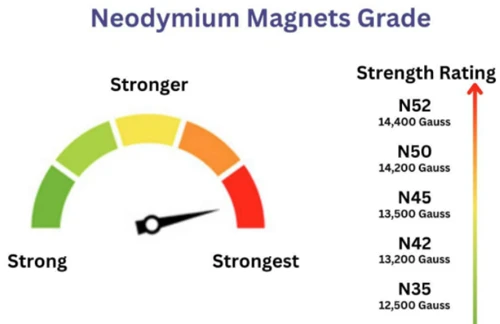
Strength is graded by maximum energy product, shown as MGOe. An N35 magnet delivers about 35 MGOe, an N52 about 52, and the price climbs with the number. Higher grades also chip more easily, so buy the strength your application actually demands rather than the biggest number.
Operating Temperature
Every grade carries a temperature ceiling, and exceeding it causes permanent demagnetization. Standard N grades tolerate about 80 °C; hotter service needs a suffix, and the strength you can buy drops as the rating climbs. A magnet's real ceiling also depends on its shape and magnetic circuit, so leave margin near the limit. The suffixes map to ceilings like this:
| Suffix | Max Operating Temperature | Typical Trade-off |
| (none), e.g. N35–N52 | 80 °C | Highest strength, standard cost |
| M | 100 °C | Slight strength reduction |
| H | 120 °C | Slight strength reduction |
| SH | 150 °C | Moderate strength reduction |
| UH | 180 °C | Noticeable strength reduction |
| EH | 200 °C | Lower strength, higher price |
| TH | 220 °C | Lowest strength of the family |
Corrosion Resistance and Coatings
Neodymium magnets rust and crumble without surface protection, while samarium cobalt needs none. Food and pharmaceutical buyers should confirm coating compliance before ordering. Your main options:
| Coating | Best for | Notes |
| Nickel-copper-nickel (NiCuNi) | General industrial use | Default choice, abrasion-resistant |
| Epoxy | Humid, chemical, outdoor, marine | Best barrier if coating integrity matters |
| Zinc | Budget, mild conditions | Thinner, lower cost |
| Parylene | Medical, precision electronics | Specialty, thin, uniform |
Size, Shape, and Tolerance
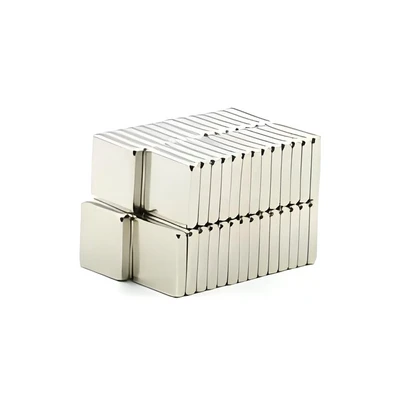
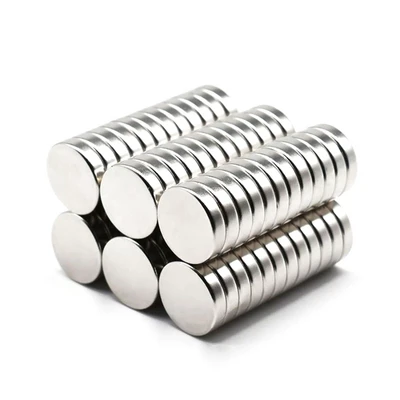
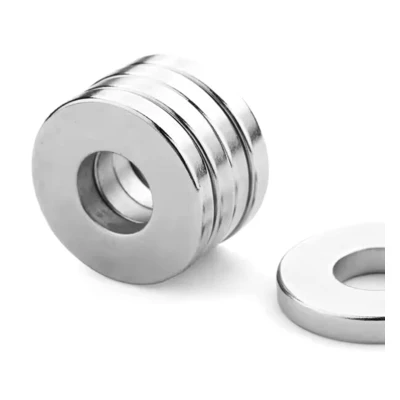
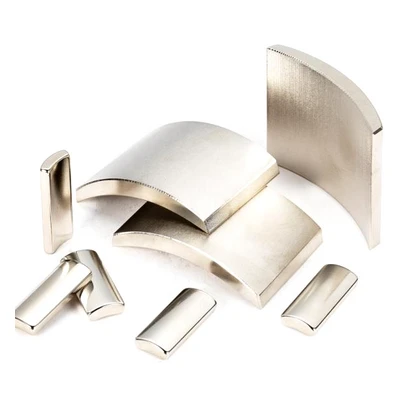
Blocks, discs, rings, and arcs cover most industrial needs. A taller magnet holds better than a wider one, and more contact area spreads the pull over more surface. Where magnets sit inside machined parts, tolerances decide whether the assembly slides together or jams.
Pull Force, Air Gap, and Surface Conditions
Catalog pull figures assume direct contact with a thick, ground steel plate. Paint, zinc coating, rust, or dust cuts the holding force sharply, and the loss grows fast as the gap widens. Thin steel plates also saturate early. Mount the magnet flush against clean steel, or size it up for the gap you actually have.
Mechanical Strength and Brittleness
Both rare earth families are brittle; they chip and crack long before they bend. Magnets snapping together can shatter, and repeated shock degrades the poles. In vibrating equipment, house the magnet in a steel pot and fix it with fasteners, not adhesive alone.
Resistance to Demagnetization
Coercivity measures how hard it is to strip a magnet of its field. Motors and separator bars both need high coercivity, because reverse fields and nearby iron constantly work against the magnet. Small or thin magnets demagnetize most easily, which is why they often carry a temperature suffix.
Cost and Availability
Neodymium quotes track rare earth markets, so prices move. Samarium cobalt costs more per piece but outlasts cheaper magnets, so judge cost per year of service, not unit price. Where space is generous, a larger ferrite magnet sometimes does the same job for less.
Neodymium vs. Samarium Cobalt for Industrial Applications
Your choice depends on the magnetic output, temperature stability, and environmental protection your equipment requires.
Choose Neodymium Magnets When
You need high magnetic output within limited space and want to control material costs. NdFeB is often suitable for compact motors, holding fixtures, sensors, and magnetic assemblies. Choose a grade that withstands your actual operating temperature, and specify protection against moisture or chemicals.
Choose Samarium Cobalt Magnets When
You need greater magnetic stability across temperature changes or operate at temperatures that challenge suitable NdFeB grades. SmCo may justify its higher cost in demanding motors, couplings, and instruments. Check compatibility with your environment, and design the mounting to protect this brittle material from impact and concentrated stress.
Which Rare Earth Magnets Suit Different Industrial Applications?
Choose your magnet around the performance and working conditions of your specific equipment.
Motors and Generators
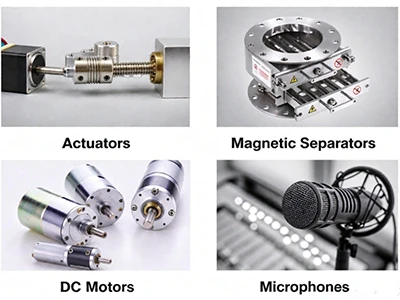
Consider NdFeB for compact designs requiring high magnetic output. Evaluate SmCo when temperature stability is critical. Check operating temperature, demagnetization resistance, and rotor retention.
Sensors and Encoders
Match the magnetic field, pole arrangement, and installation distance to your sensor's requirements. Verify signal accuracy across temperature changes and assembly tolerances.
Holding and Mounting Systems
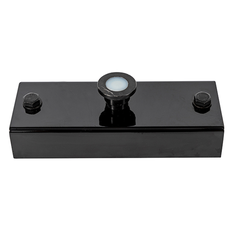
NdFeB pot magnets suit many compact holding applications. Check actual pull force, sliding resistance, working gaps, and contact surfaces. Consider rubber-coated assemblies for surface protection.
Magnetic Couplings and Pumps
Compare materials against torque, temperature, and coupling gap. If magnets may contact process fluids, confirm chemical compatibility and protective sealing.
Magnetic Separation Equipment
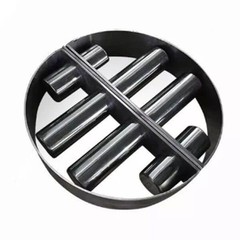
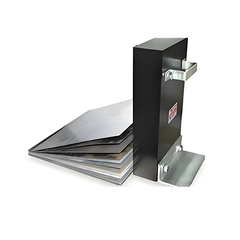
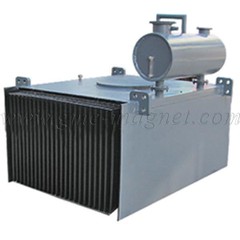
For magnetic bars, grates, and drawers, assess contaminant size, material flow, temperature, and cleaning access. Validate separation performance with your material rather than relying on surface gauss alone.
Conclusion
Choosing rare earth magnets for industrial use means matching the material to your application, rather than selecting the highest grade. You need to consider magnetic performance, operating temperature, working gaps, corrosion protection, and mounting conditions together. Compare NdFeB and SmCo against these requirements, then test samples in your actual assembly before bulk ordering. Clear drawings and agreed acceptance criteria also help keep repeat orders consistent. If you need help specifying your magnets, share your application, dimensions, working conditions, and expected quantity with GME to discuss suitable options for your project.
FAQ
Q: Which Rare Earth Magnet Is the Strongest?
A: NdFeB generally offers the highest magnetic energy density. However, your actual holding force also depends on size, shape, working gap, and magnetic circuit.
Q: Can Neodymium Magnets Handle High Temperatures?
A: Yes, with the right grade. Confirm your operating temperature with your supplier, as temperature capability also depends on magnet geometry and working conditions.
Q: Do Rare Earth Magnets Lose Magnetism Over Time?
A: Under suitable conditions, they retain magnetism for many years. Overheating, corrosion, or strong opposing magnetic fields can cause permanent loss.
Q: Which Is Better for Outdoor Use, NdFeB or SmCo?
A: SmCo generally resists corrosion better. You can also use suitably protected NdFeB, but confirm its coating or encapsulation suits your moisture and temperature exposure.
Q: Are Rare Earth Magnets More Expensive Than Ferrite?
A: Generally, yes. However, their higher magnetic energy density may let you use smaller magnets and reduce the size of your assembly.
Q: Can Rare Earth Magnets Be Made in Custom Shapes?
A: Yes. You can request blocks, rings, arcs, and other custom shapes. Feasibility and cost depend on dimensions, tolerances, material, and production quantity.
Q: Is a Higher Grade Magnet Always Better?
A: No. Choose a grade that meets your performance, temperature, and cost requirements. A higher energy product alone does not guarantee better performance in your equipment.
