











Drop a strong neodymium magnet down a copper tube and watch it sink in slow motion, as if a hand is gently holding it back. So, is copper magnetic? Not in the way iron is. Pure copper won't grab a magnet, but it does push back on one that moves. That's the whole trick, and it's real physics! Below, you'll see why it happens, how copper alloys behave, what to expect from everyday items, how to test real copper, and how to pull iron out of copper scrap.
Is Copper Magnetic?
Copper is not magnetic in the way iron or nickel is, but it does have a very weak magnetic response that you cannot easily detect.
Copper Is Not Ferromagnetic
Unlike iron, nickel, or cobalt, copper is not ferromagnetic, meaning a magnet will not stick to it. Try holding a magnet against a copper pipe, sheet, or wire, and you will feel no pull at all.
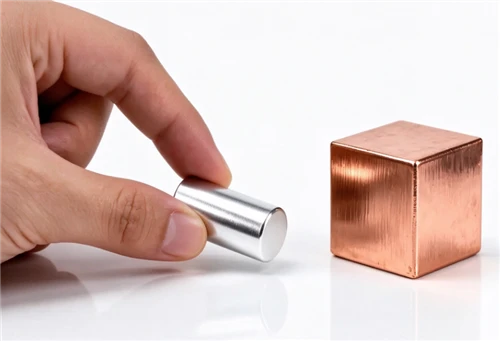
Even a strong neodymium magnet, which grabs steel with ease, slides right off pure copper. That is why copper works well in places where magnetic attraction would cause problems.
Copper Is Weakly Diamagnetic
Copper is diamagnetic, meaning a magnetic field pushes it away very slightly. You will never notice this with an ordinary magnet. But move a magnet near copper and something else shows up: small electrical currents called eddy currents form inside the metal and push back against the motion. We'll look at that next.
Why Copper Is Diamagnetic and Not Ferromagnetic
Copper's magnetic behaviour depends on its electron structure, which explains why it reacts differently to magnets than iron, nickel, or cobalt.
Electron Pairing and Magnetic Moment
Every electron acts like a tiny magnet, and that built-in magnetism is called its magnetic moment. In copper, the inner electrons come in pairs that cancel each other out, and the outer electron is shared across the whole metal instead of lining up. Add it all together, and copper has no net magnetic moment, so there is nothing for a magnet to grab onto.
Diamagnetic vs Paramagnetic vs Ferromagnetic
|
Type |
Reaction to a magnet |
Examples |
|
|
|
Diamagnetic |
Weakly repelled |
Copper, silver |
|
|
Paramagnetic |
Weakly attracted |
Aluminum |
|
|
Ferromagnetic |
Strongly attracted |
Iron, nickel, cobalt |
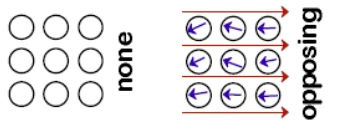
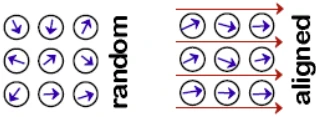
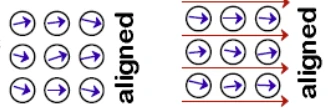
Why Iron, Nickel, and Cobalt Behave Differently
Unlike copper, these metals have unpaired electrons that line up together in small regions called domains. Their moments add up instead of canceling, which creates a strong magnetic pull. That is why a magnet sticks to a steel bolt but not to a copper pipe.
Why a Magnet Falls Slowly Through a Copper Tube
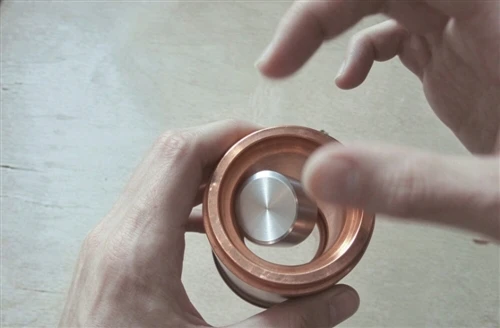
A magnet falls slowly through a copper tube because the copper pushes back on it, not because anything pulls it up. As the magnet moves through the tube, it stirs up small loops of electric current inside the copper, called eddy currents. Each loop makes its own magnetic field, and by Lenz's law, that field always pushes against the motion that created it. The result is a built-in brake that slows the fall. An aluminum tube does the same thing, though copper usually brakes harder because it conducts electricity better. If you try it at home, remember that neodymium magnets are brittle, so catch yours in your palm or on a soft cloth, and keep your fingers well clear.
Are Copper Alloys Magnetic? Brass, Bronze, and Copper Nickel
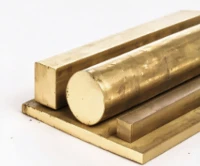
|
Brass |
Copper and zinc |
Usually no |
Iron mixed in, or a steel part with a brass finish, can make a magnet stick. |
|
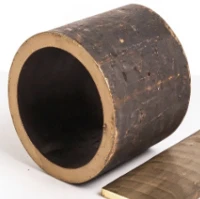
Bronze |
Copper and tin, often with other metals |
Usually no |
Added iron or nickel can bring a weak magnetic response. |
|
Copper Nickel |
Copper and nickel |
Depends on the alloy |
The nickel content and the exact grade decide how it reacts, so check the composition. |
Is Everyday Copper Magnetic? Pipes, Wire, Coins, and Cookware
You can find copper in many everyday products, but whether a magnet sticks depends on the materials used.
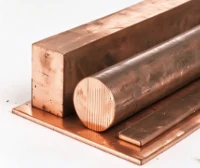
Copper Pipe and Tubing
Pure copper pipes and tubes are not magnetic. If you place a magnet against a copper plumbing pipe, it won't stick. However, steel fittings or other magnetic components may attract it.
Copper Wire
Copper wire is non-magnetic, whether bare or insulated. You can test it with a magnet, but remember that some copper-colored wires may contain steel.
Pennies and Coins
Not all copper-colored coins are made of pure copper. Their magnetic behavior depends on their metal composition. For example, some copper-plated steel coins will stick to a magnet.
Copper Cookware and Induction Cooktops
Pure copper cookware won't stick to magnets or work directly on most induction cooktops. However, copper pans with a magnetic stainless steel base can work on induction stoves.
How to Tell If Your Metal Is Real Copper
A magnet is a quick first check, but it works best when you pair it with a few other tests.
What the Magnet Test Can and Cannot Tell You
If a magnet sticks, your metal isn't solid copper, because there's iron or steel in it. That makes the magnet a handy way to rule out iron-based fakes.
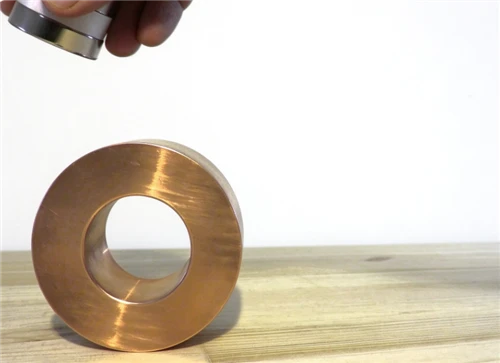
But it can't prove purity. Brass and many other nonmagnetic alloys look similar and will pass the test just as pure copper does.
Copper-Plated and Copper-Clad Steel
Copper-plated and copper-clad items are the classic trap. Steel under a copper layer will respond to a magnet, so a strong pull means you're holding steel with a thin copper skin, not solid copper.
Other Simple Checks
Look at the color: fresh copper is reddish orange, and old copper turns brown or green. Check the weight, since copper feels heavy for its size. Scratch a hidden spot and see whether the color underneath changes. A multimeter shows good conductivity, but brass conducts well too.
Where Copper and Magnets Work Together in Industry
Although copper is not magnetic, its excellent electrical conductivity makes it essential in many industrial applications involving magnetic fields.
Electromagnets, Motors, Generators, and Transformers
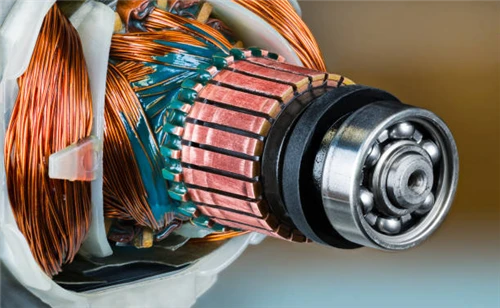
Copper windings carry electric current to generate magnetic fields or transfer electrical energy. In motors and generators, copper works alongside magnetic materials, including PM Motor Magnets and Wind Turbine Magnets.
Eddy Current Braking and Induction Heating
When copper encounters changing magnetic fields, eddy currents develop. You can see this principle used in electromagnetic braking and induction heating systems.
Sensors and Medical Equipment
Copper coils are used in electromagnetic sensors and medical imaging equipment. They help transmit or receive signals, while magnetic components perform separate functions.
Does Copper Block Magnetic Fields?
Copper can shield high-frequency electromagnetic interference, but it cannot effectively block a static magnetic field. If you need protection from permanent magnets, copper alone is not a suitable shielding material.
How to Separate Copper From Magnetic Metals in Recycling
If you're recycling copper scrap, removing magnetic metal contaminants helps improve material purity and recycling value.
Why Iron Contamination Matters in Copper Scrap
Iron filings, steel fragments, and fasteners can contaminate your copper scrap. Removing these materials helps you achieve cleaner copper and meet recycling quality requirements.
How Magnetic Separators Remove Iron
Magnetic separators attract iron and steel while allowing non-magnetic copper to pass through. This makes them useful for separating ferrous contaminants from copper scrap.
Choosing the Right Magnetic Separator
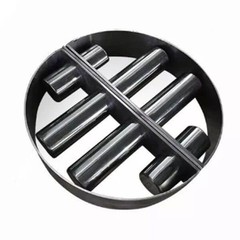
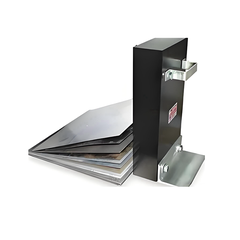
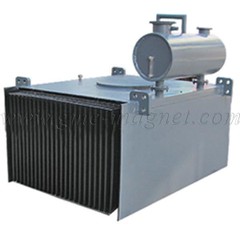
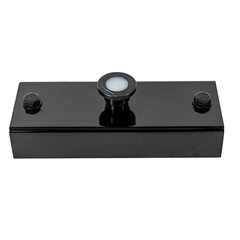
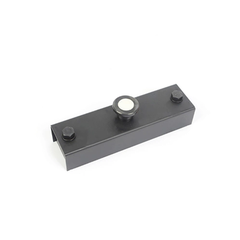
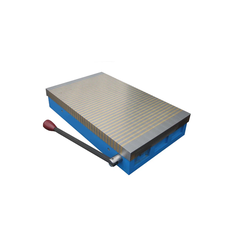
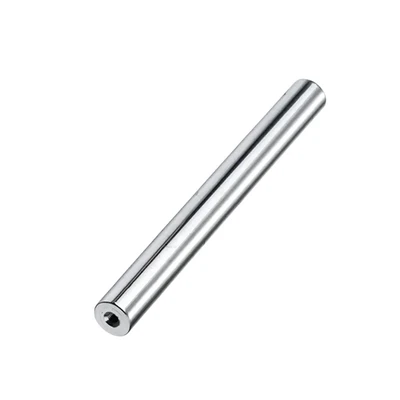
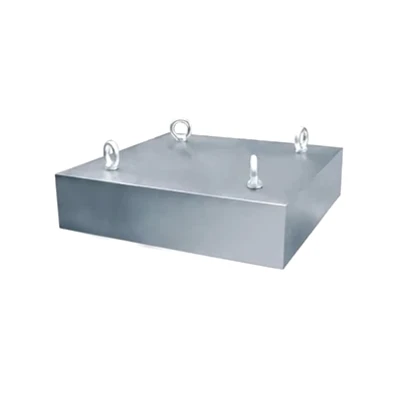
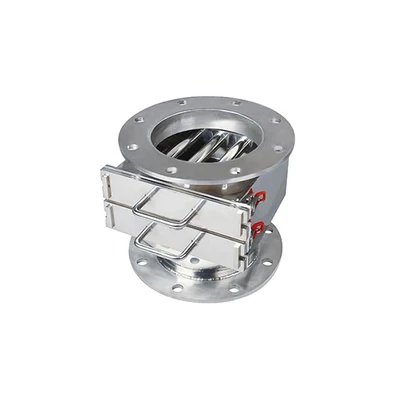
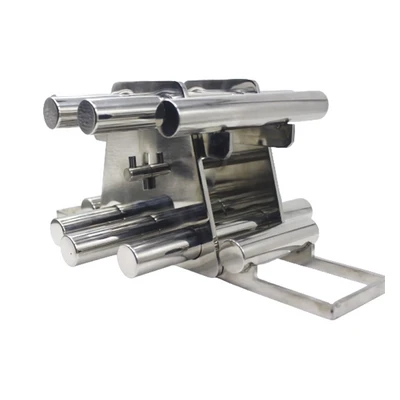
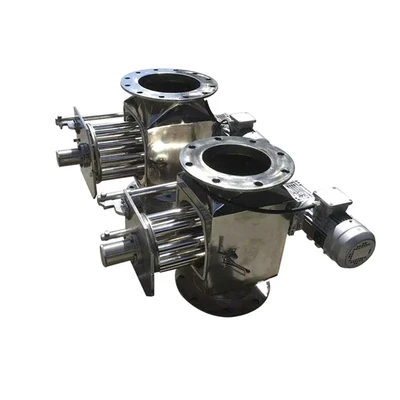
Your choice depends on material size, flow rate, and contamination level. Magnetic bars, plates, drawer, hopper, and rotary separators suit different material flows, while magnetic rolls and conveyor-type separators handle other processing needs. Explore our Magnetic Separators for suitable options.
What Magnets Cannot Separate
Conventional magnets cannot separate copper from aluminum or brass. You'll need other methods, such as density-based sorting, sensor-based sorting, or other suitable separation technologies.
Conclusion
Pure copper won't stick to a magnet, but it isn't ignoring one either. Move a magnet past it, and eddy currents form inside the metal and push back. Alloys and plated parts can change the result, so check what you're really holding. So when a magnet won't stick to your copper, nothing is wrong. It's just physics. If you're removing iron from copper scrap, ore, or powder, explore GME's magnetic separators and contact the team with your material details.
FAQ
Q: Is Copper Wire Magnetic?
A: No, pure copper wire is not magnetic. A magnet will not stick to it, even if you use a strong magnet. However, copper-coated steel wire may attract magnets because of its steel core.
Q: Can a Neodymium Magnet Pick Up Copper?
A: No, even a powerful neodymium magnet cannot pick up pure copper through ordinary magnetic attraction. However, moving magnets can interact with copper through eddy currents.
Q: Does Copper Block Magnetic Fields?
A: Copper cannot effectively block static magnetic fields from permanent magnets. However, it can help shield against high-frequency electromagnetic interference (EMI).
Q: Is Copper More Magnetic Than Aluminium?
A: No. Copper is weakly diamagnetic, meaning it slightly repels magnetic fields. Aluminum is paramagnetic, meaning it is weakly attracted to magnetic fields. Neither will noticeably stick to an ordinary magnet.
Q: Can You Separate Copper and Iron with a Magnet?
A: Yes. You can use a magnet to attract iron while leaving copper behind. For industrial recycling, magnetic separators help remove iron and steel contaminants from copper scrap.
