












If you are wondering whether lead is magnetic, the short answer is no, not in the way iron or steel is. A magnet will not normally attract or pick up a piece of lead. Lead is classified as a diamagnetic metal, so its response to a magnetic field is weak and difficult to notice under normal conditions. In this guide, you will learn why lead does not stick to magnets, whether a moving magnet can affect it, why pencil lead is different, and why a magnet test cannot identify lead.
Is Lead Magnetic?
Before you test a piece of lead, it helps to separate true magnetic attraction from a material's weaker response to a field under normal conditions.
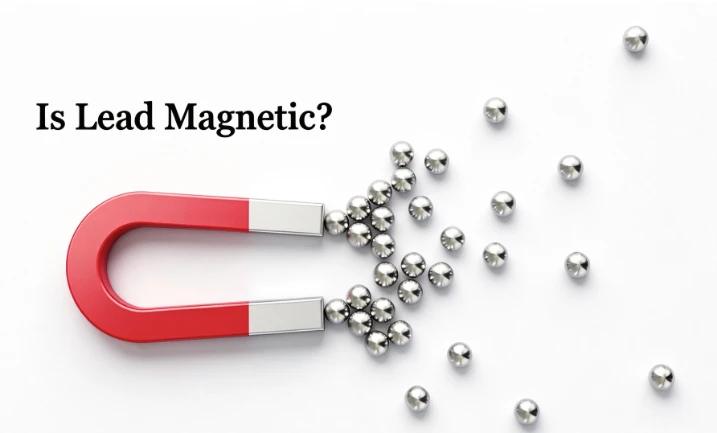
Lead Is Not Ferromagnetic
Lead is not ferromagnetic, so you will not see the strong attraction associated with iron, steel, nickel, or cobalt. A regular magnet will not grab clean lead or lift it from a table by itself.
Lead Is a Diamagnetic Metal
Instead, lead is diamagnetic. Its electrons create a very weak opposing response when a magnetic field is present. You normally cannot feel or see this effect during handling.
Will a Magnet Stick to Lead?
Will a magnet stick to lead? No. If it seems to, check for steel contamination, a magnetic coating, or another material mixed with the sample. A magnet test alone cannot confirm lead.
Why Is Lead Not Attracted to Magnets?
To understand why lead does not stick to a magnet, you need to know how its electrons respond to a magnetic field.
The Role of Electrons in Magnetism
Each electron acts like a tiny magnetic dipole because of its spin and motion. In ferromagnetic materials, many dipoles align in the same direction. Their effects reinforce one another, producing the strong attraction you see with iron and steel.
How Lead's Electron Structure Affects Magnetism
Lead has a different electron structure. Its electrons are paired, so their magnetic moments largely cancel out rather than create a net magnetic moment.
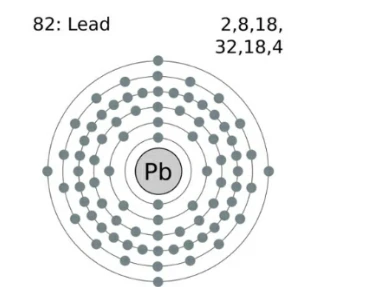
When you bring a magnet close, lead produces only a tiny opposing response. This is called diamagnetism, and it is too weak to make lead move in everyday use.
Diamagnetic vs. Ferromagnetic Materials
Ferromagnetic materials become strongly magnetized because their magnetic domains align. Diamagnetic materials, including lead, respond weakly in the opposite direction. For you, the difference is clear: a magnet attracts iron or steel, but it normally ignores clean lead.
What Happens When You Put a Strong Magnet Near Lead?
A magnet near lead may show a subtle effect under controlled conditions, but not the familiar pull seen with steel.
Can a Strong Magnet Make Lead Move?

A stationary magnet will not normally attract or lift clean lead. However, a strong magnet moving quickly past lead can cause slight motion or resistance. You are most likely to observe this with low-friction supports and a magnetic field, not during ordinary handling.
Why Moving Magnets May Produce a Weak Effect
A moving magnet changes the field around conductive lead and can induce electrical currents inside it. These currents create an opposing field, producing drag or a weak repulsive effect. The result depends on magnet strength, speed, distance, lead thickness, and the setup.
Weak Magnetic Interaction Is Not Magnetic Attraction
Do not confuse this with ferromagnetic attraction. Lead does not become a permanent magnet or cling to the magnet after you remove the field. If you test an unknown sample, movement cannot prove it is lead; steel contamination, coatings, or a metal may be responsible.
Can a Magnet Detect Lead?
If you are identifying metal, a magnet offers a quick clue but cannot reliably confirm lead.
Why a Magnet Test Cannot Confirm Lead
If a magnet does not stick, you only know that the sample shows no obvious ferromagnetic attraction. You do not know its composition. Lead, copper, aluminum, brass, gold, and many other materials can appear non-magnetic in a simple hand test. Paint, plastic covers, distance, or a weak magnet can also affect your result.
Non-Magnetic Does Not Always Mean Lead
Non-magnetic only means you see no noticeable attraction under those conditions. It does not prove the material is lead or rule out hidden steel or contamination.
Materials That May Also Show No Magnetic Attraction
Other materials may show the same result, including copper, aluminum, brass, zinc, silver, gold, graphite, and austenitic stainless steel. To confirm lead, use positive material identification, X-ray fluorescence, density testing, or laboratory analysis. If you are sorting scrap, handle uncertain samples carefully because lead is toxic and should not be tested casually without proper safeguards.
Lead vs Other Common Metals
The table below helps you compare lead with common metals when using an ordinary magnet.
|
Metal |
Magnetic Classification |
Response to an Ordinary Magnet |
Common Applications |
|
Lead |
Diamagnetic |
No noticeable attraction |
Radiation shielding, batteries, weights |
|
Iron |
Ferromagnetic |
Strongly attracted |
Machinery, tools, construction |
|
Carbon Steel |
Ferromagnetic |
Strongly attracted |
Automotive parts, structures, equipment |
|
Nickel |
Ferromagnetic |
Attracted |
Alloys, batteries, plating |
|
Cobalt |
Ferromagnetic |
Attracted |
High-temperature alloys, magnets |
|
|
Diamagnetic |
No noticeable attraction |
Wiring, plumbing, heat exchangers |
|
Aluminum |
Paramagnetic |
Usually no noticeable attraction |
Packaging, aircraft, machinery |
|
Brass |
Diamagnetic |
No noticeable attraction |
Fittings, valves, instruments |
|
Zinc |
Diamagnetic |
No noticeable attraction |
Galvanizing, die-casting |
|
Gold |
Diamagnetic |
No noticeable attraction |
Jewelry, electronics |
|
Silver |
Diamagnetic |
No noticeable attraction |
Jewelry, electrical contacts |
|
Stainless Steel |
Depends on grade |
Some grades attract magnets; others do not |
Food equipment, medical tools, machinery |
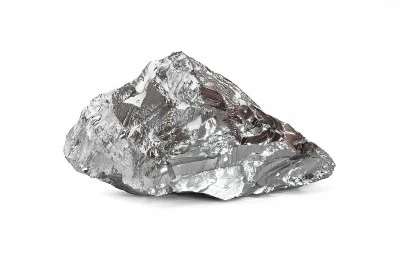
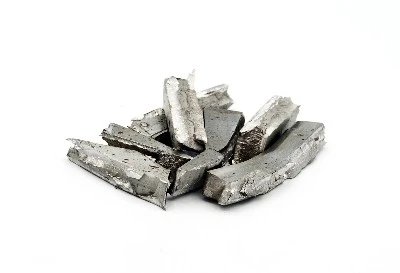
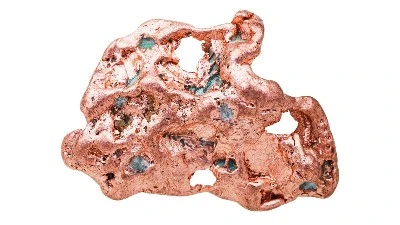

Can Magnetic Separators Remove Lead?
If your material stream contains lead, understand what magnetic separation can and cannot remove before choosing equipment.
What Magnetic Separators Usually Remove
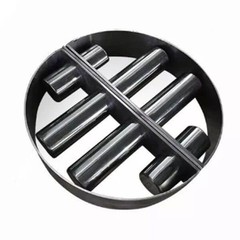
Magnetic separators mainly capture ferromagnetic contaminants such as iron, carbon steel, and magnetic stainless steel. They remove tramp metal, iron filings, and steel fragments from processing lines, helping protect equipment and improve product purity. Your options may include magnetic rods, grates, drums, suspended magnets, or overband separators.
Why Ordinary Magnets Do Not Separate Lead
Ordinary magnets do not normally separate lead because lead is diamagnetic and offers no useful attraction. Any weak interaction under special conditions is too small and inconsistent for practical sorting. If you need to separate lead from copper, aluminum, or other non-ferrous metals, magnetic equipment alone will not be enough.
What to Consider When Processing Lead-Containing Materials
Define your feed composition, particle size, moisture, throughput, and separation target. Test representative samples before finalizing the process. Because lead is toxic, use proper containment, dust control, worker protection, and compliant waste handling procedures and documentation.
Conclusion
Lead is not magnetic in the same way as iron, nickel, or cobalt. Pure lead is diamagnetic, so you will not see it strongly attracted to an ordinary magnet, even when using a powerful neodymium magnet. If a lead part reacts strongly to a magnet, you should check for steel inserts, iron contamination, coatings, or other magnetic materials. A simple magnet test can help you rule out some ferrous metals, but it cannot confirm that a material is lead. For reliable identification, you should consider composition, density, or professional material testing.
FAQ
Q: Does Lead Stick to a Magnet?
A: No. Pure lead does not stick to an ordinary magnet because it is diamagnetic rather than ferromagnetic.
Q: Can a Magnet Pick Up Lead?
A: No. Even a strong permanent magnet will not normally pick up pure lead the way it can pick up iron or steel.
Q: Can a Magnet Tell If Something Is Lead?
A: Not by itself. A magnet can help rule out strongly magnetic metals, but many non-magnetic metals can also look or feel similar to lead.
Q: Is Lead More Magnetic Than Copper?
A: Both lead and copper are diamagnetic, so neither is strongly attracted to a magnet. Their magnetic responses are very weak.
Q: Can Strong Magnets Affect Lead?
A: Yes, very strong magnetic fields can produce a weak response in lead, but you will not see the strong attraction associated with ferromagnetic metals.
