











Neodymium magnets (NdFeB magnets) are the strongest permanent magnets widely used in modern industrial applications. Their high magnetic strength, compact size, and energy efficiency make them ideal for use in automotive systems, industrial machinery, renewable energy applications, and automation equipment. This article highlights the key industrial applications of neodymium magnets and explains why they are essential in today's manufacturing and engineering industries.
What Are Neodymium Magnets?
Neodymium magnets, also known as NdFeB magnets, are a type of rare-earth permanent magnet made from an alloy of neodymium, iron, and boron. They are renowned for their exceptionally high magnetic strength, considering their size, making them the most powerful permanent magnets available today. Due to this performance advantage, neodymium magnets are widely used in industrial applications where a strong magnetic force, compact design, and high efficiency are required.

Key Advantages of Neodymium Magnets in Industrial Applications
Exceptional Magnetic Strength
Neodymium magnets provide extremely high magnetic force compared to other permanent magnets, allowing industrial systems to achieve higher performance with fewer or smaller magnetic components.
Compact Size and Space Efficiency
Thanks to their high energy density, neodymium magnets deliver strong magnetic output in a compact form, making them ideal for space-limited industrial equipment and modern machine designs.
Improved Energy Efficiency
Stronger magnetic performance reduces energy consumption in motors, generators, and automation systems, helping manufacturers improve efficiency and lower operating costs.
High Reliability and Long Service Life
Neodymium magnets maintain stable magnetic properties over long periods, ensuring consistent performance in demanding industrial environments.
Versatile Industrial Adaptability
Available in multiple grades, shapes, and coatings, neodymium magnets can be customized to meet specific industrial requirements, including temperature resistance and corrosion protection.
Major Industrial Applications of Neodymium Magnets
Automotive Industry
Neodymium magnets are widely used in the automotive industry, especially with the rapid growth of electric and hybrid vehicles. They are a key component in electric motors, power steering systems, braking systems, sensors, and actuators.
Thanks to their high magnetic strength and compact size, neodymium magnets help reduce motor weight, improve energy efficiency, and increase power density, which is critical for modern vehicle design and performance.

Electronics and Electrical Equipment
In the electronics industry, neodymium magnets are commonly used in hard disk drives, speakers, headphones, microphones, and various electronic assemblies. Their strong magnetic field enables precise control and stable performance in compact electronic devices.
They are also used in power supplies, transformers, and electrical control systems where reliable magnetic performance is essential.
Renewable Energy Industry
Neodymium magnets play a crucial role in renewable energy systems, particularly in wind turbine generators. Permanent magnet generators using neodymium magnets offer higher efficiency, lower maintenance requirements, and improved reliability compared to traditional systems.
They are also used in solar tracking systems, helping panels accurately follow the sun to maximize energy output.
Industrial Machinery and Manufacturing
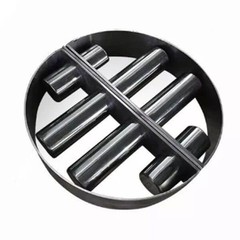
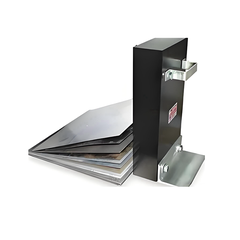
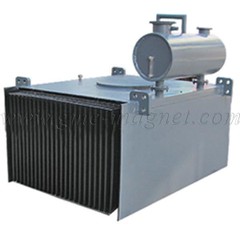
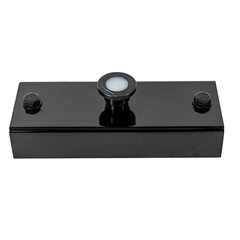
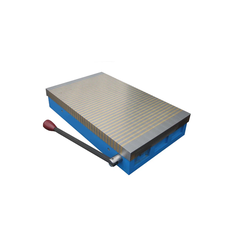
In industrial manufacturing environments, neodymium magnets are widely applied in magnetic separators, lifting magnets, holding fixtures, and magnetic conveyor systems.
Their strong holding force improves material handling efficiency, ensures reliable separation of ferrous materials, and enhances production safety in mining, recycling, metal processing, and heavy manufacturing industries.

Medical and Healthcare Equipment
Neodymium magnets are used in medical devices such as MRI systems, diagnostic equipment, and precision medical instruments. Their stable magnetic performance supports accurate imaging, positioning, and motion control.
Strict quality control and customized magnet solutions are often required to meet medical industry standards.
Robotics and Industrial Automation
In robotics and automation systems, neodymium magnets are essential for servo motors, robotic arms, automated guided vehicles (AGVs), and precision motion control equipment.
Their high power density allows automation systems to operate with greater accuracy, faster response times, and reduced mechanical size, supporting smart manufacturing and Industry 4.0 development.
Comparison with Other Types of Industrial Magnets
When selecting magnets for industrial applications, it is important to understand how neodymium magnets compare with other common magnet types in terms of performance, size, and cost-effectiveness.
Neodymium Magnets vs Ferrite (Ceramic) Magnets
Ferrite magnets are widely used due to their low cost and good corrosion resistance. However, their magnetic strength is significantly lower than that of neodymium magnets.
Neodymium magnets can provide up to 10 times stronger magnetic force than ferrite magnets of the same size. This allows industrial equipment to be more compact, lighter, and efficient. As a result, neodymium magnets are preferred in applications where space is limited or high performance is required, such as motors, automation systems, and precision machinery.
Key Difference:
Higher strength and smaller size make neodymium magnets a superior choice for high-performance industrial applications.
Neodymium Magnets vs Alnico Magnets
Alnico magnets offer excellent temperature stability and are suitable for high-temperature environments. However, they have lower magnetic energy density and are more prone to demagnetization under external magnetic fields.
Neodymium magnets provide much higher magnetic force and better overall efficiency in modern industrial systems. With proper grade selection and temperature-resistant designs, neodymium magnets can also perform reliably in many elevated-temperature applications.
Key Difference:
Neodymium magnets offer higher power density and stronger magnetic performance, while Alnico magnets are mainly chosen for extreme temperature conditions.
Neodymium Magnets vs Samarium Cobalt (SmCo) Magnets
Samarium cobalt magnets are known for their excellent temperature resistance and corrosion resistance, making them suitable for harsh environments. However, they are significantly more expensive and more brittle than neodymium magnets.
Neodymium magnets provide a better balance between performance, cost, and availability, making them the most commonly used rare earth magnets in industrial applications.
Key Difference:
Neodymium magnets deliver similar high magnetic performance at a more competitive cost for most industrial uses.
Table Comparison Summary
| Magnet Type | Magnetic Strength | Size Efficiency | Temperature Resistance | Cost Level | Typical Industrial Applications |
| Neodymium (NdFeB) | Very high | Excellent | Medium to high (depending on grade) | Medium | Motors, automation systems, electric vehicles, magnetic separators, robotics |
| Ferrite (Ceramic) | Low | Low | Medium | Low | Loudspeakers, basic motors, and low-cost industrial applications |
| Alnico | Medium | Medium | Very high | Medium | Sensors, meters, and high-temperature industrial environments |
| Samarium Cobalt (SmCo) | High | Good | Excellent | High | Aerospace, military equipment, and extreme temperature applications |
Key Considerations When Using Neodymium Magnets in Industry
Using neodymium magnets in industrial applications requires careful consideration of several factors to ensure safety, reliability, and optimal performance. Here are the most important points:
Temperature and Grade Selection
Neodymium magnets have excellent magnetic strength but are sensitive to high temperatures. Choosing the right grade (e.g., N35, N42, N52) and considering maximum operating temperature is crucial to prevent demagnetization in motors, generators, or industrial machinery.
Surface Coating and Corrosion Protection
NdFeB magnets are prone to corrosion if exposed to moisture or harsh chemicals. Selecting appropriate coatings such as nickel, zinc, epoxy, or gold-plating ensures long-term durability in industrial environments.
Handling and Safety
Strong neodymium magnets can snap together with significant force, posing a risk of injury or damage to equipment. Proper safety procedures, protective equipment, and handling tools are essential when installing or maintaining these magnets.
Customization for Specific Applications
Industrial systems often require magnets in specific shapes, sizes, or magnetic orientations. Working with a supplier who can provide tailored solutions ensures compatibility with machinery, automation systems, or specialized industrial equipment.
Environmental and Regulatory Considerations
Some industrial applications may require compliance with industry standards or environmental regulations. Ensuring the magnets meet quality certifications and operational safety requirements is critical for industrial deployment.
How to Choose a Reliable Neodymium Magnet Manufacturer
When using neodymium magnets in industrial applications, it is crucial to carefully select the right magnet grade to prevent demagnetization under high temperatures, choose appropriate surface coatings such as nickel or epoxy to protect against corrosion, and implement safe handling practices due to their strong magnetic force. Industrial users should also consider customization options for size, shape, and magnetic orientation to fit specific machinery or automation systems, while ensuring compliance with quality standards and operational safety requirements to achieve reliable performance and long-term durability.
FAQs
What industries commonly use neodymium magnets?
Neodymium magnets are widely used in automotive, electronics, renewable energy, industrial machinery, robotics, and medical equipment due to their high magnetic strength and compact size.
How do I choose the right neodymium magnet grade?
The appropriate grade depends on your application's operating temperature, required magnetic strength, and environmental conditions. Consulting with a reliable supplier can help determine the best grade for your needs.
Are neodymium magnets safe to handle?
While neodymium magnets are extremely powerful, following proper handling procedures, wearing protective equipment, and using specialized tools can prevent injury and equipment damage.
Can neodymium magnets be customized?
Yes. Manufacturers can provide magnets in different shapes, sizes, coatings, and magnetic orientations to meet specific industrial requirements.
How do I ensure the long-term reliability of neodymium magnets?
Selecting the right grade, using corrosion-resistant coatings, following safe handling practices, and working with certified manufacturers ensures optimal performance and longevity in industrial applications.
Conclusion
Neodymium magnets are a critical component in modern industrial applications due to their exceptional magnetic strength, compact size, and versatility. From automotive systems and electronics to renewable energy, robotics, and medical equipment, they enable higher efficiency, precision, and reliability compared to other magnet types.
When selecting and using neodymium magnets, it is essential to consider factors such as magnet grade, temperature limits, corrosion protection, safe handling, and customization to specific industrial requirements. Working with a reputable manufacturer ensures quality, technical support, and consistent performance, helping businesses maximize productivity and minimize downtime.
For companies seeking reliable magnet solutions, partnering with an experienced supplier allows access to custom designs, high-quality materials, and expert guidance to meet the demands of complex industrial applications.