














Introduction to Permanent Magnet Materials
In today's changing world of technology the significance of magnet materials cannot be overstated. These exceptional materials play a role in innovations ranging from the powerful neodymium magnets that drive electric vehicles to the versatile magnetic assemblies powering industrial machinery. With over 15 years of experience, Great Magtech Electric (GME) has established itself as a leader in magnet manufacturing offering top-notch magnetic solutions and ensuring customer satisfaction.
In this section we will explore the captivating realm of magnet materials. We will delve into their applications, characteristics and their pivotal role in shaping our modern world where science, technology and magnetism intertwine.

2. Types of Permanent Magnets
Permanent magnets are crucial components used across various applications and come in different types each with its distinct properties and uses. Now lets dive into the categories;
2.1. Ferrite Magnets

Ferrite magnets also known as ceramic magnets are among the most widely utilized types of permanent magnets. They consist of iron oxide and other elements that make them highly corrosion-resistant. Ferrite magnets are a cost effective option and are commonly used in applications that don't require extremely high magnetic strength. They find usage in speakers, motors and refrigerator door seals.
2.2. Neodymium Magnets
Neodymium magnets on the hand are known for their magnetic strength and are considered to be the strongest commercially available magnets. These rare earth magnets mainly consist of neodymium, iron and boron (NdFeB). Despite their size they can generate a strong magnetic force and find applications, in electric vehicle motors, hard disk drives and magnetic clasps.

2.3. Samarium Cobalt Magnets
Samarium cobalt magnetsbelong to the earth magnet family. They are recognized for their ability to withstand high temperatures while maintaining strong magnetic properties. Composed primarily of samarium and cobalt elements they are usually used in aerospace, automotive industries as high performance motors where stability, at elevated temperatures is crucial.

2.4. Alnico Magnets
Alnico magnetsderive their name from being composed of aluminum, nickel and cobalt. These magnets have been utilized since the 1930s. Offer a range of magnetic strengths depending on their composition and manufacturing processes. Alnico magnets are well known for their ability to withstand high temperatures and are commonly used in applications such, as guitar pickups, meters and sensors.
2.5. Rare Earth Magnets
Rare earth magnets, which include neodymium and samarium cobalt magnets are collectively the strongest magnets available. These magnets derive their name from their composition, which includes elements from the series of periodic table. They find usage in high performance applications across different industries.
2.6. Ceramic Magnets
Ceramic magnets, often referred to as ferrite magnets, consist of iron oxide and other elements. They possess moderate strength, come at a low cost and have excellent resistance to corrosion. Ceramic magnets can be found in applications like refrigerator magnets, speakers and magnetic name badges.
Each type of magnet possesses characteristics that make it suitable for specific applications. The choice of magnet type depends on factors such as required strength, temperature conditions and cost considerations. By understanding these differences engineers and designers can select the appropriate magnet for their specific application needs while ensuring optimal performance and reliability.

3. Characteristics and Properties of Permanent Magnet Materials
Permanent magnet materials exhibit characteristics and properties that make them essential in fields ranging from electronics, to everyday items. GME (Great Magtech Electric) an established manufacturer of magnets specializes in producing different types of permanent magnet materials each having its own unique characteristics.
Neodymium Magnets; Neodymium magnets are widely recognized as the strongest in the market. They have resistance to demagnetization. Can support weights up to 1,000 times their own. These magnets are crucial in industries such as automotive and electronics due to their temperature tolerance of 80°C.
Samarium Cobalt (SmCo) Magnets; SmCo magnets possess two-third of the strength found in neodymium magnets. They particularly excel in environments with high temperatures and moisture boasting a temperature limit of 250°C. Aerospace and specialized engineering fields often utilize these magnets.
Alnico Magnets; Alnico magnets exhibit varying levels of strength. While some versions can match the performance of neodymium magnets their susceptibility to demagnetization depends on applications. These magnets perform well under high temperature conditions withstanding temperatures up to 1,000°F. They are commonly used in meters and specialized holding purposes.
Ferrite (Ceramic) Magnets; Although not as powerful as rare earth magnets ferrite magnets strike a balance between strength and affordability. They demonstrate corrosion resistance properties that make them ideal for low intensity applications such as loudspeakers, motors and DIY projects.
Flexible Rubber Magnets; These particular types of magnets combine particles with a polymer binder offering versatility, for various applications. Although not as strong rare earth magnets, their flexibility makes them well suited for applications such, as signage, labeling and visual displays.
4. Magnet Orientation
The alignment of domains, known as magnet orientation plays an important role in determining the performance and applications of permanent magnet materials. It refers to how the magnetic domains within the material align which ultimately affects the overall magnetic strength and behavior of the magnet.
In the case of magnets, these tiny atomic magnets naturally align themselves in a direction. However, during manufacturing this alignment can be influenced to create magnets with orientations. There are two types of orientations;
4.1. Random Orientation (Isotropic Magnets)
Isotropic magnets have randomly aligned domains, meaning there is no direction for magnetization. These magnets exhibit properties in all directions and are relatively easier to magnetize during production. However, their magnetic strength is lower compared to anisotropic magnets.
4.2. Aligned Orientation (Anisotropic Magnets)
Anisotropic magnets have aligned domains that result in a direction for magnetization. This alignment enhances their strength in that direction making them more powerful than isotropic magnets. Achieving the desired properties requires orientation during the manufacturing process.
The choice between isotropic and anisotropic magnets depends on application requirements. Engineers and designers select the orientation to optimize the performance of these magnets in their devices or systems.
5. Magnetic & Thermal Properties of Magnets
Understanding the properties of magnet materials commonly used is essential when it comes to choosing the magnet for an application. Each type of magnet material has its characteristics that make it suitable for particular uses. Lets now explore the properties of some employed magnet materials;
Magnet Type | Properties |
Neodymium | Great Magnetic Strength, Highly resistant to Demagnetization, Temperature tolerance up to 80°C |
Samarium Cobalt (SmCo) | ⅔ the strength compared to Neodymium Magnets, Known for high temperature bearing up to 250°C, |
Alnico | Provides a range of magnetic strength, can bear temperatures up to 1,000°F (537°C) |
Ferrite (Ceramic) | Moderate Magnetic Strength, Bearable temperature ranges from 250°C to 450°C |
Flexible Rubber | Not known for their magnetic strength but rather for their flexibility and ease of usage, Operating Temperature ranges from 80°C to 100°C |
These properties determine how well a magnet material suits a specific application. By considering factors such as required strength, operating temperature and cost effectiveness designers and engineers can make decisions.
6. Applications of Permanent Magnet Materials
Permanent magnet materials have a range of applications in various industries because of their unique properties and versatility. These materials play a role in powering and enhancing technologies from industrial machinery to cutting-edge medical devices.
Below, we explore some applications where permanent magnet materials excel;
6.1. Industrial Generators
In the manufacturing of motors and generators permanent magnet materials like neodymium and samarium cobalt magnets are major components. These magnets provide the field for converting electrical energy into mechanical motion and vice versa. In industrial settings you can find these magnets driving conveyor belts powering machinery and ensuring efficient generator performance.
6.2. Separators
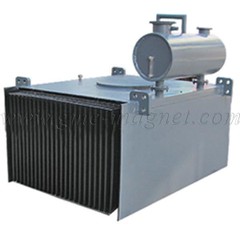
Magnetic separators are essential in industries that require the separation of non ferrous materials. These separators rely on the properties of materials like neodymium magnets to attract and eliminate metallic contaminants from various products, including food, chemicals and minerals. The efficiency and precision of these separators make them indispensable, for maintaining product purity.
6.3. Magnetic Resonance Imaging (MRI)
The field of healthcare greatly benefits from the use of magnet materials in Magnetic Resonance Imaging (MRI). Superconducting magnets, typically made with niobium titanium or niobium tin alloys create stable fields that improve the precision and accuracy of MRI scans. This technology enables noninvasive imaging for medical diagnoses and research purposes.
6.4. Magnetic Locks and Latches
When it comes to security and access control, magnetic locks and latches are widely employed. These devices utilize magnets, like neodymium magnets to secure doors and gates. The robust magnetic force ensures locking mechanisms making them a preferred choice for both security systems and commercial access control.
6.5. Consumer Electronics
Permanent magnet materials are also found in consumer electronics such as smartphones and laptops. Neodymium magnets are commonly used in the speakers of these devices to produce high quality sound. Furthermore magnets play a role in the functioning of disk drives (HDDs) as well as vibration motors used for haptic feedback on touchscreens.
6.6. Renewable Energy Technologies
The advancement towards renewable energy sources like wind power and hydropower heavily relies on magnet materials. Wind turbines utilize neodymium magnets, in their generators to convert wind energy into electricity. Moreover permanent magnets have applications, in the field of hydropower generation contributing significantly to the sustainable production of electricity.
7. Selecting the Right Permanent Magnet Material for Your Requirements
When it comes to choosing the right magnet material for your specific application several essential factors need to be considered to ensure optimal efficiency and durability of your magnetic solution. Great Magtech Electric (GME) understands that each application is unique and brings expertise in magnets and magnetic solutions to assist you in making a decision. In this section we will delve into four considerations that will help you make the right choice;
7.1. Strength and Magnetic Properties
The primary factor that should be taken into account is determining the required strength for your application. GME provides a variety of magnet materials, with magnetic properties.
Neodymium magnets, for example are well known for their strength and are often the preferred option for demanding applications where a strong magnetic force is crucial. On the other hand ceramic (ferrite) magnets, although not powerful as neodymium offer cost-effective solutions and are suitable for less demanding applications.
7.2. Temperature Resistance
The performance of magnets is significantly influenced by temperature. Different magnet materials have varying levels of resistance to temperature changes. For instance neodymium magnets can operate efficiently at temperatures up to around 80 degrees Celsius. In contrast samarium cobalt magnets perform well in high temperature environments and can handle temperatures of at least 250 degrees Celsius. It is essential to match the temperature conditions of your application with the magnet material to avoid demagnetization or loss of magnetic strength over time.
7.3. Considering Costs
Budget constraints often play a role in selecting magnet materials. At GME we offer a range of magnet options that allow you to find the right balance between performance and cost effectiveness. Neodymium magnets possess high power and can be relatively expensive due to their composition involving rare earth materials. On the hand ceramic (ferrite) magnets offer an economical choice making them suitable for applications with budgetary limitations. Take a look, at your budget limitations to make an informed decision.
7.4. Environmental Impact
In today's era of increasing environmental awareness it is crucial to consider the ecological impact of the magnet material you choose. At Great Magtech Electric (GME) we take this seriously and comply with RoHS, CE and other relevant regulations. When selecting a magnet material it's important to evaluate its impact, including recyclability and any potential hazards associated with its production and disposal.
8. Discover top-notch Magnet Solutions from GME magnet
When it comes to magnets and magnetic solutions Great Magtech Electric (GME) has established itself as a brand in the industry, with over 15 years of experience, in providing expertise and maintaining a commitment to excellence throughout our operations. GME is a company that specializes in the research, production and sale of magnets, magnetic assemblies and magnetic solutions. We are your go to destination, for all your magnet related requirements.
8.1. Discover our Wide Range of Permanent Magnet Materials
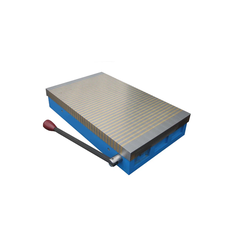
GME takes pride in offering a selection of magnet materials to cater to various industries and applications. Among these materials you will find neodymium magnets, plastic magnets, magnetic chucks, magnetic couplings, magnetic assemblies, rubber magnet sheets, tapes, samarium cobalt magnets and more.
Each of these materials are carefully crafted with precision and high quality to meet the industry standards. GME’s products have received certifications from TS16949, ISO9001 2000 CE RoHS and SGS which reflect their dedication to maintaining quality.
With a range of magnet materials available at GME's disposal you have the flexibility to select the most suitable magnet for your specific needs. Whether you require neodymium magnets for purposes or versatile plastic magnets, for creative projects or even robust magnetic chucks for precise machining. GME has got you covered.