


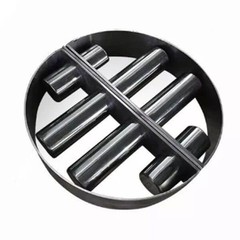
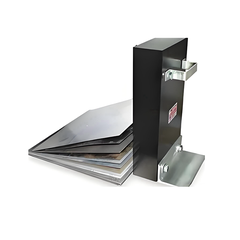


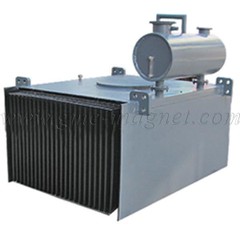

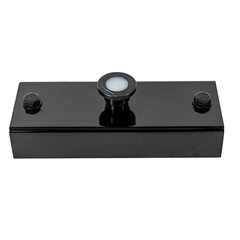





Magnets come in many shapes, and each shape is designed for a different purpose. You may see standard options such as disc, ring, block, arc, and cylinder magnets, while some projects require custom-engineered shapes for special assemblies or performance needs. The shape of a magnet is not just about how it looks. It directly affects magnetic field distribution, mounting method, available assembly space, and even overall cost. If you are choosing magnets for motors, sensors, holding systems, or OEM products, selecting the right shape early can save you time and reduce design risk. It can also help you improve system performance, simplify installation, and avoid unnecessary changes later. Understanding magnet shapes is the first step toward choosing a more practical and cost-effective magnetic solution for your application.
What Are the Most Common Magnet Shapes?
You will find that each magnet shape offers different advantages, so understanding their basic features and typical uses can help you choose a more suitable option for your product or project.
|
Magnet Shape |
Description |
Typical Applications |
|
Disc Magnets |
Disc magnets are flat and compact, making them easy to install where space is limited. |
Sensors, magnetic closures, small holding systems, electronics |
|
Ring Magnets |
Ring magnets have a center hole, which makes them ideal for assemblies that need shafts or fasteners. |
Motors, speakers, encoders, rotary systems |
|
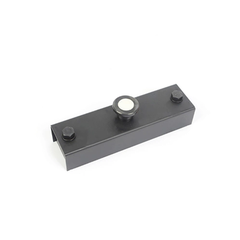
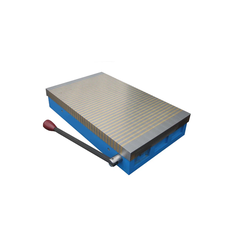
Block Magnets |
Block magnets provide a large contact area and are often chosen for strong holding or mounting performance. |
Fixtures, industrial holding, magnetic assemblies |
|
Arc Magnets |
Arc magnets are curved to fit round structures and are commonly used in rotating equipment. |
Motors, generators, rotor and stator assemblies |
|
Cylinder Magnets |
Cylinder magnets are compact and rod-like, suitable for precise magnetic positioning. |
Sensors, medical devices, precision assemblies |
|
Bar Magnets |
Bar magnets are longer in shape and can provide magnetic reach across a wider area. |
Teaching tools, sensing, linear magnetic systems |
|
Custom-Shaped Magnets |
Custom-shaped magnets are designed for special structures, field requirements, or assembly needs. |
OEM products, special equipment, and customized industrial applications |

Disc Magnets

Ring Magnets

Block Magnets

Arc Magnets
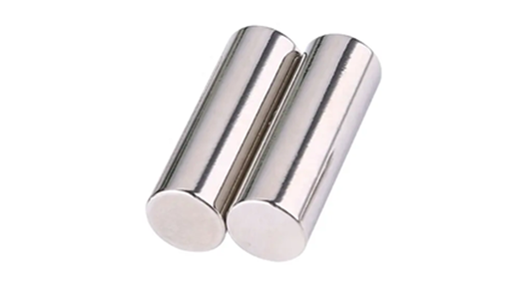
Cylinder Magnets
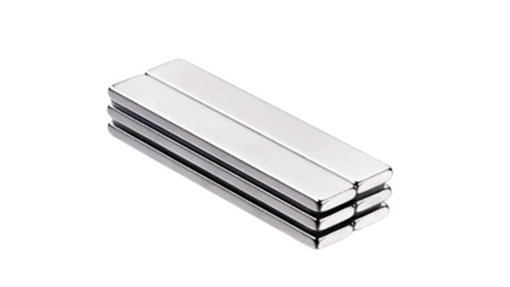
Bar Magnets
Why Magnet Shape Matters
The shape of a magnet does more than change its appearance it directly influences how well the magnet will work in your application and how easily you can use it in production.
Shape Affects Magnetic Field Distribution
Different shapes create different magnetic field patterns. For example, a disc magnet, ring magnet, or block magnet will not deliver magnetic force in exactly the same way. If you want better performance, you need to match the shape to the way the magnetic field should act in your product.
Shape Affects Mounting And Assembly
The magnet shape also affects how easily you can install it. Some shapes fit flat surfaces better, while others are designed for shafts, curved parts, or narrow spaces. Choosing the right shape can make your assembly more stable and efficient.
Shape Affects Manufacturing Cost
More complex shapes usually require more processing, tighter control, and higher production cost. This is especially important if you need custom magnets in volume.
Magnet Shapes and Their Typical Uses
Different magnet shapes are designed for different working conditions, so when you match the shape to your application, you can often get better performance, easier assembly, and a more cost-effective solution.
Disc Magnets For Compact Holding, Sensors, And Closures
Disc magnets are a practical choice when you need a compact magnetic solution in a limited space. You can use them for small holding tasks, magnetic closures, sensors, and electronic products where a flat, simple shape is easier to install.
Ring Magnets For Shafts, Speakers, And Rotary Systems
Ring magnets are ideal when your assembly needs a center hole for a shaft, fastener, or rotating component. You will often see them used in speakers, motors, encoders, and other rotary systems where both structure and magnetic performance matter.

Block Magnets For Fixtures, Holding, And Industrial Assemblies
Block magnets are widely used when you need a larger contact area and stronger holding performance. They are suitable for fixtures, industrial holding systems, magnetic mounting, and many types of mechanical assemblies.
Arc Magnets For Motors And Generators
Arc magnets are designed for curved structures, which makes them especially useful in motors and generators. If your project involves rotor or stator assemblies, arc magnets are often the right choice because they fit circular layouts naturally.
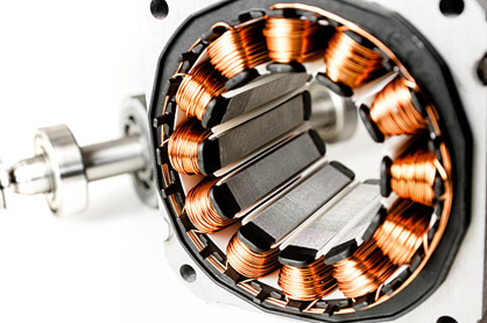
Cylinder and Bar Magnets For Sensing, Alignment, And Linear Structures
Cylinder and bar magnets work well when you need magnetic force along a longer or more directional path. You can use them in sensing devices, alignment systems, positioning tasks, and linear structures where shape matters for installation.
Custom Shapes For OEM Products And Special Assemblies
If standard shapes cannot meet your design or performance needs, custom-shaped magnets can be a better solution. For OEM products and special assemblies, you may need a magnet with a specific shape, size, coating, or magnetization direction. At GME, you can work with us to develop custom magnet solutions that better match your application, assembly structure, and production needs.
How to Choose the Right Magnet Shape
Choosing the right magnet shape becomes much easier when you evaluate it from the perspectives of function, installation, magnetic performance, and production needs.
Start With The Application
You should first identify what the magnet needs to do in your product. Is it mainly for holding, sensing, rotation, positioning, or a special OEM assembly? Different applications often favor different shapes, so starting with the actual working function helps you narrow the options quickly.
Match The Shape To The Installation Space
The available space is another key factor. A flat surface may suit a disc or block magnet, while a center hole may require a ring magnet. Curved assemblies often need arc magnets, and narrow or long spaces may work better with cylinder or bar magnets.
Check The Magnetization Direction
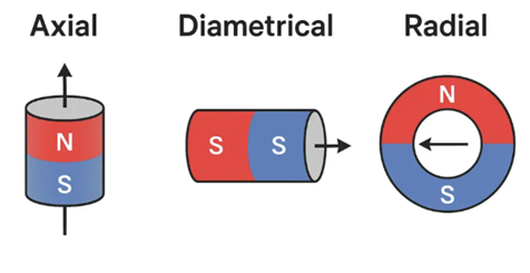
This step is often overlooked, but it matters a lot. Disc magnets are commonly axial, ring magnets may use radial magnetization, and some sensor applications need multi-pole magnetization. The right shape and the right magnetization direction should work together.

Consider Material, Coating, And Operating Temperature
The same shape can perform very differently depending on the material, coating, and working environment. You should always consider corrosion resistance, temperature, and durability before making a final choice.
Decide Between Standard And Custom Shapes
If a standard shape can meet your needs, it is usually the simpler and more cost-effective option. But if your assembly, field requirement, or product design is more specialized, a custom-shaped magnet may give you a better long-term solution.
Standard Magnet Shapes vs Custom Magnet Shapes
When you compare standard and custom magnet shapes, the best choice depends on whether you want faster sourcing and lower cost, or a shape that fits your exact design and performance needs.
|
Type |
What It Means |
Advantages |
Best For |
|
Standard Magnet Shapes |
These include common forms such as disc, ring, block, arc, and cylinder magnets that are widely produced in standard sizes. |
Easier to source, lower cost, shorter lead time, and simpler replacement. |
Projects that use common structures and do not need special magnetic or mounting requirements. |
|
Custom Magnet Shapes |
These are magnets made according to your drawing, application, or special assembly needs. |
Better fit, more flexible design, improved field control, and better integration with your product. |
OEM products, space-limited assemblies, and applications with special performance or installation requirements. |
Common Mistakes When Choosing Magnet Shapes
Many magnet selection problems do not come from the magnet itself, but from choosing the wrong shape or overlooking important details too early in the design process.
Choosing Shape By Appearance Instead Of Function
It is easy to choose a magnet shape because it looks simple or seems convenient, but appearance alone is not enough. You should always start with the actual job the magnet needs to do, such as holding, sensing, rotating, or positioning. A shape that looks suitable may still perform poorly in your application.
Ignoring Magnetization Direction
Even if the shape is correct, the magnet may not work well if the magnetization direction is wrong. For example, disc, ring, and sensor magnets may require different magnetizing patterns. If you ignore this point, you may end up with weak performance or unstable results.
Using A Complex Custom Shape Too Early
Custom shapes can be useful, but they are not always the best first choice. If a standard shape can meet your needs, it will usually save you time, cost, and sourcing effort. You should only move to a more complex custom design when there is a clear technical reason.
Forgetting Coating And Temperature Requirements
A magnet shape may fit your assembly, but you also need to consider the working environment. Coating affects corrosion resistance, and temperature affects magnetic performance. If you overlook these factors, the magnet may fail too soon.
Focusing Only On Magnet Strength
A stronger magnet is not always a better magnet. You also need to consider shape, field control, installation method, and long-term reliability. The best choice is the one that fits your full application, not just the highest strength value.
FAQ
Q: Which magnet shape is best for motors?
A: For motors, arc magnets and ring magnets are usually the best choices because they fit round rotor and stator structures more naturally. The right choice depends on your motor design, available space, and required magnetic field pattern.
Q: Does magnet shape affect magnetic strength?
A: Yes, magnet shape can affect how magnetic force is distributed and how the magnet performs in your application. Even if two magnets use the same material, different shapes can create different field patterns and working results.
Q: What is the difference between disc magnets and ring magnets?
A: A disc magnet is solid and flat, while a ring magnet has a hole in the center. Disc magnets are often used for compact holding or sensing, while ring magnets are more suitable for shafts, speakers, and rotary systems.
Q: When should I choose a custom-shaped magnet?
A: You should choose a custom-shaped magnet when a standard shape cannot fit your assembly, field requirement, or product design. Custom magnets are especially useful for OEM products and applications with special mounting or performance needs.
Q: Can the same shape be made in different materials?
A: Yes, the same magnet shape can be made in different materials such as neodymium, ferrite, samarium cobalt, or alnico. The shape may stay the same, but the strength, temperature resistance, and corrosion performance can be very different.
Q: What information do I need before asking for a quote?
A: Before asking for a quote, you should prepare the magnet size, shape, material or grade, magnetization direction, coating requirement, working temperature, and estimated quantity. If possible, you should also provide a drawing, sample, or brief application description.
Conclusion
There are many magnet shapes available, but the best choice always depends on your actual application. You need to consider how the magnet will work in your product, what field direction is required, how much space you have, and what cost target you need to meet. In many cases, standard shapes such as disc, ring, block, or cylinder magnets are practical and cost-effective options. But when your assembly, installation method, or performance requirement is more specific, custom-shaped magnets can give you a better result. If you are evaluating magnet shapes for an OEM or industrial project, GME can help you review your requirements, recommend a suitable shape, and support custom production based on your drawing, application, and performance goals.