










Magnets are used in far more places than you may expect, from industrial machinery and automotive systems to speakers, sensors, medical devices, and everyday consumer products. If you are sourcing magnets for a product, project, or manufacturing process, understanding where magnets are used can help you make better decisions from the start. Different applications require different magnet materials, strengths, shapes, and coatings. A magnet that works well in an electronic device may not be suitable for high-temperature or heavy-duty industrial use. That is why it is important to look beyond general uses and focus on your real application needs. In this guide, you will learn where magnets are commonly used, why they matter in different industries, and how to choose the right type of magnet for your specific use.
How Do Magnets Work?
Magnets work by creating a magnetic field that can attract or repel certain materials, especially iron, steel, nickel, and cobalt. If you bring a magnet close to a ferrous metal object, the magnetic field pulls that object toward the magnet.
Every magnet has two poles, north and south. Opposite poles attract each other, while like poles repel. This magnetic force can be used in many practical ways, such as holding parts in place, moving components, detecting position, or separating metal from other materials. If you use magnets in a product or process, the way they work depends on the magnet material, size, shape, and strength. That is why understanding the application helps you choose a more suitable magnetic solution.

What Are Magnets Used For?
Magnets are used to hold, move, detect, separate, lift, and control metal parts in many products and industries. You can find them in electric motors, speakers, sensors, generators, magnetic separators, door latches, medical devices, and automation systems. In simple terms, magnets help create motion, keep parts in place, identify position, and remove unwanted ferrous materials from a process line. If you work in manufacturing or product development, magnets can improve efficiency, save space, and support more reliable performance. They are also widely used because they can work without direct contact, which reduces wear in some applications. Whether you need a magnet for holding, sensing, or separation, the right solution depends on your product design, working environment, and required magnetic strength.
Common Magnet Applications by Industry
Magnets are used across many industries because they can help you hold, move, detect, separate, and control materials in reliable and efficient ways.
Magnets in Manufacturing and Automation
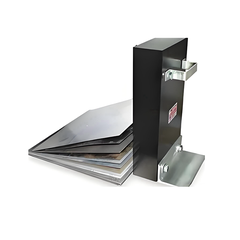
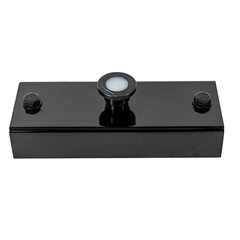
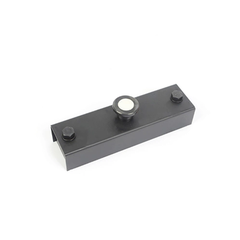
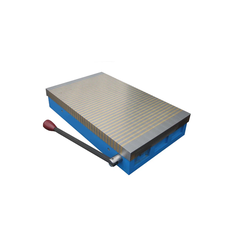
In manufacturing and automation, magnets are often used to hold workpieces, position components, lift metal parts, and improve production efficiency. If you work with assembly lines, CNC equipment, robotic systems, or fixtures, magnets can help you reduce manual handling and improve repeatability. Magnetic chucks, magnetic clamps, and magnetic holders are common in workshops where accuracy and speed matter. You may also see magnets used in sensors and motion control systems, where stable magnetic performance supports smooth machine operation.

Magnets in Consumer Electronics
In consumer electronics, magnets are used in products such as smartphones, speakers, headphones, tablets, chargers, and cameras. If you are designing compact electronic products, magnets can help you save space while still delivering strong performance. They are often used for sound generation, closure systems, wireless charging alignment, and internal sensing functions. Because electronic products are getting smaller and lighter, strong compact magnets, especially rare earth magnets, are widely used in this field.

Magnets in Automotive Applications
In the automotive industry, magnets are used in motors, sensors, braking systems, fuel systems, audio equipment, and electric vehicle components. If your product is related to vehicle performance or control, magnets may play an important role in both mechanical and electronic systems. They help support accurate sensing, efficient motor function, and reliable movement in many automotive parts. As electric vehicles continue to grow, the demand for high-performance magnets in motors and advanced automotive systems is also increasing.
Magnets in Renewable Energy
Magnets are also important in renewable energy applications, especially in wind turbines, generators, and energy conversion systems. If you are serving the clean energy market, magnets can help improve energy conversion efficiency and support long-term equipment reliability. Strong permanent magnets are often used in generator systems where stable magnetic force is required. In these applications, magnet performance, temperature resistance, and long service life are especially important.
Magnets in Medical and Healthcare Equipment
In medical and healthcare equipment, magnets are used in diagnostic devices, imaging systems, laboratory instruments, and precision medical tools. If your application requires accuracy, stability, and compact design, magnets can offer practical advantages. They are often selected for their reliability and consistent performance in sensitive equipment. In this industry, material quality, dimensional precision, and application suitability are usually more important than price alone.

Magnets in Recycling, Mining, and Material Separation
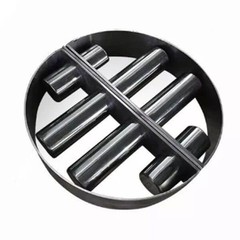
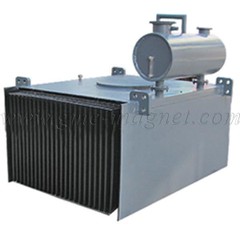
In recycling, mining, and material separation, magnets are used to remove ferrous contaminants, recover valuable metal, and protect downstream equipment. If you handle bulk materials, powders, plastics, food, or scrap, magnetic separation can help you improve product purity and reduce machine damage. Magnetic drums, overband magnets, magnetic pulleys, and grate magnets are common solutions in these industries. For you as a buyer, the right magnetic system can improve safety, reduce waste, and make your production line more efficient.
Why Are Magnets So Widely Used?
Magnets are widely used because they offer a practical balance of strength, efficiency, and flexibility. You can use them in compact products without giving up performance, which is especially important when space is limited. They also support contactless operation in many applications, helping you reduce wear and improve system reliability. If you need a solution for holding, sensing, positioning, motion control, or separation, magnets can often do the job in a simple and effective way. Another reason they are so popular is their long service life. When properly selected, magnets can perform reliably for years. You can also customize them in different sizes, shapes, coatings, and magnetic strengths, making it easier for you to match the magnet to your exact product or working environment.
Different Types of Magnets and Where They Are Used
Different magnet materials offer different advantages, so if you understand their strengths, you can choose a more suitable option for your product or application.
|
Magnet Type |
Key Features |
Common Applications |
Best For |
|
Neodymium Magnets |
Very strong magnetic force, small size, high efficiency |
Electronics, motors, magnetic fasteners |
You when you need high strength in compact products |
|
Ferrite Magnets |
Cost-effective, corrosion-resistant, widely used |
Speakers, small motors, fridge magnets, separation systems |
You when you need an economical solution for general use |
|
Alnico Magnets |
Excellent high-temperature stability, reliable magnetic performance |
Sensors, instruments, speakers, guitar pickups |
You when your application works in higher-temperature conditions |
|
Samarium Cobalt Magnets |
Strong magnetic performance, excellent heat and corrosion resistance |
Aerospace, medical devices, precision systems |
You when you need stable performance in demanding environments |

Neodymium Magnets

Ferrite Magnets

Alnico Magnets

Samarium Cobalt Magnets
How to Choose the Right Magnet for Your Application
Choosing the right magnet starts with understanding your real working conditions, because the best magnet is not always the strongest one, but the one that fits your application best.
What Function Does The Magnet Need To Perform?
First, you need to be clear about what the magnet is expected to do. In some applications, the magnet is used for holding or fixing metal parts in place. In others, it may be used for sensing, positioning, lifting, separating ferrous contamination, or driving motion in a motor. If you define the function clearly at the beginning, it becomes much easier for you to narrow down the right material and design.
what Environment Will It Work In?
The working environment has a big influence on magnet selection. If your magnet will be used in high temperatures, wet conditions, corrosive environments, or outdoor applications, you need to choose a material and coating that can handle those conditions. A magnet that performs well in a dry indoor product may not work well in a harsh industrial environment. You should always match the magnet to the real operating conditions.
how Strong Does The Magnet Need To Be?
Magnetic strength is another key factor. You should think about how much holding force, pull force, or magnetic field strength your application really needs. A stronger magnet is not always better if space is limited, safety matters, or excessive force may affect nearby components. The right balance between size and strength is often more important than simply choosing the highest possible magnetic power.
do You Need A Custom Shape, Coating, Or Assembly?
In many cases, a standard magnet may not be the best solution. You may need a custom size, special shape, mounting hole, protective coating, or a complete magnetic assembly to fit your product design. If your application has special installation or performance requirements, customization can help you save time and improve final results.
Are Cost And Long-term Durability Both Important?
You should also consider the balance between budget and service life. Some magnets offer lower upfront cost, while others provide better long-term stability, corrosion resistance, or temperature performance. If your product needs reliable performance over time, choosing the lowest-cost option may not always be the most cost-effective decision in the long run.
FAQ
Q: What products use magnets?
A: Magnets are used in many products, including speakers, motors, sensors, chargers, door latches, medical devices, magnetic separators, and household appliances. If your product needs holding, sensing, motion, or metal separation, a magnet may be part of the solution.
Q: What industries use magnets the most?
A: Magnets are widely used in manufacturing, automotive, electronics, renewable energy, medical equipment, mining, recycling, and food processing. If you work in any industry that involves motion control, separation, sensing, or compact product design, magnets are often important.
Q: Are magnets only used in electronics?
A: No, magnets are not only used in electronics. You can also find them in industrial equipment, automotive systems, healthcare devices, renewable energy systems, and magnetic separation equipment. Their use is much broader than consumer products alone.
Q: Why are neodymium magnets used in compact devices?
A: Neodymium magnets are used in compact devices because they provide very strong magnetic force in a small size. If you need to save space while keeping good performance, neodymium magnets are often a practical choice for electronics, motors, and closures.
Q: What type of magnet is best for high-temperature applications?
A: For high-temperature applications, alnico magnets and samarium cobalt magnets are often better choices. If your product works in heat-sensitive or demanding environments, these materials usually offer better temperature stability than standard neodymium magnets.
Q: Are ferrite magnets good for industrial use?
A: Yes, ferrite magnets can be a good choice for industrial use, especially when cost control is important. If your application does not require very high magnetic strength, ferrite magnets are often used in motors, speakers, and some separation systems.
Summarize
Magnets are used in a wide range of industries, from manufacturing and automation to electronics, automotive, renewable energy, medical equipment, and material separation. If you are choosing magnets for a product or project, it is important to look beyond general applications and focus on what your specific use really requires. Different magnet types offer different advantages in strength, temperature resistance, cost, and durability. That is why the right choice depends on your working environment, performance needs, and product design. When you understand where magnets are used and how each type fits different applications, you can make a better sourcing decision. A well-matched magnet can help you improve product performance, reduce long-term problems, and create a more reliable solution for your customers.