





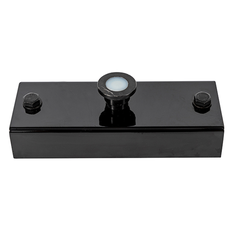
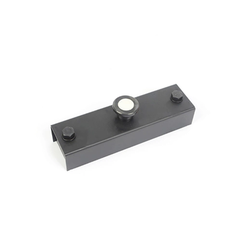



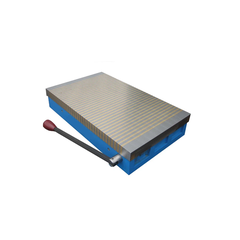


Pot magnets or cup magnets, are durable and versatile, offering strong magnetic force for various tasks. From industrial uses in manufacturing and construction to home and DIY projects, their applications are vast.
Let's learn how they are made, their types, common uses, and tips for safe installation and maintenance.
Pot magnets, also known as cup magnets, are small but incredibly strong permanent magnets encased in a steel shell. This steel covering makes them durable and directs the magnetic force to one side, boosting their holding power in that direction. This simple design is what makes them a popular choice for people who need reliable, strong magnets.
Think of pot magnets as dependable options for various tasks in industries and at home. They don't look flashy, but they get the job done in industries like manufacturing, construction, and even around the house. Their strength, versatility, and durability make them useful for countless pot magnet applications. Below you can read about how they are made, what the most popular pot magnet uses are, and how to care for them.

How Pot Magnets Are Made
The production process of pot magnets is a combination of material selection, shaping, and assembly, designed to create a magnet that is both strong and durable. Here's how they are typically made:
1. Magnet Core Creation
The process begins with the manufacturing of the magnetic core, which is a key step in creating pot magnets. The core is made from materials like neodymium, ferrite, alnico, or samarium cobalt.
For neodymium, powdered neodymium, iron, and boron are combined and compacted into the desired shape. This compacted material is then heated in a sintering furnace to create a solid, strong magnet.
Ferrite magnets are formed by mixing iron oxide with strontium or barium, shaping them, and firing them at high temperatures. Alnico and samarium cobalt magnets undergo similar sintering or casting processes, making them versatile for different pot magnet applications.
2. Machining and Shaping
Once the magnetic core is formed, it is machined to fit the steel shell. This guarantees a snug fit, for maximizing the magnet's performance and durability.
3. Steel Shell Production
The steel shell, which houses the magnet, is manufactured separately. It is typically stamped or machined into shape from steel plates.
4. Assembly
The magnet is carefully inserted into the steel casing. Adhesive or mechanical bonding techniques, such as pressing or screwing, are used to secure the magnet inside the shell.
In some cases, additional components, like threaded bolts or hooks, are attached to the shell for specific applications.
5. Magnetization
The assembled pot magnet is magnetized using a high-energy electromagnetic field. This step makes sure that the magnet reaches its full magnetic potential.
6. Finishing and Coating
To protect the pot magnet from corrosion, especially for neodymium magnets, a protective coating (e.g., nickel, zinc, or epoxy) is applied. This finishing step also improves the magnet's appearance.
Types of Pot Magnets
Pot magnets come in various types, each suited for specific tasks:
Neodymium Pot Magnets: The strongest option, offering high holding power in a compact size. Ideal for industrial pot magnet applications requiring strength and precision.
Ferrite Pot Magnets: Affordable and rust-resistant, making them perfect for outdoor pot magnet uses in wet conditions.
Alnico and Samarium Cobalt Pot Magnets: Designed for high-temperature environments, maintaining strength where other materials might fail.

Why Pot Magnets Are Popular
Pot magnets have a lot going for them. Here's why they're used in so many industries:
Focused Strength: Thanks to the steel casing, pot magnets deliver all their magnetic force on one side. This makes them incredibly effective for tasks like holding or lifting.
Durability: The casing protects the magnet from damage, so it lasts longer. It also shields the magnet from environmental factors like moisture or dust.
Versatility: These magnets work in a wide range of applications, from industrial machinery to household projects.
Practical Uses for Pot Magnets
Pot magnets are highly versatile, finding applications in industries, construction, electronics, and even homes. Their adaptability and strength make them valuable tools for various tasks. Below is a detailed exploration of their practical uses:
1. Manufacturing and Assembly
In manufacturing environments, pot magnets hold and stabilize components during production. For instance, they are often used to keep metal parts steady while they are being welded, painted, or cut. This reduces reliance on bulky clamps and speeds up the process.
Pot magnets are also used for organization in factories. Magnetic strips or boards equipped with pot magnets can hold tools such as wrenches, hammers, or screwdrivers, keeping them easily accessible. During machine maintenance or assembly line tasks, magnets secure parts temporarily, preventing movement and improving precision. These reliable pot magnet uses contribute significantly to improving efficiency in industrial pot magnet applications.
2. Construction
Pot magnets simplify many construction tasks by providing a temporary hold for materials. When assembling metal frameworks, pot magnets align and secure beams before they are permanently fastened. Similarly, they are invaluable in positioning rebar in concrete structures.
On construction sites, temporary signage often needs to be displayed. Pot magnet applications include mounting safety warnings, directional markers, or notices onto metallic surfaces without leaving damage, such as holes or adhesive residue. These pot magnet uses make them an indispensable choice for construction projects.
3. Automotive
In the automotive industry, pot magnets are used for both assembly and accessory mounting. On production lines, they temporarily secure vehicle parts during welding or painting. Their ability to hold tools and components improves efficiency and organization.
Outside the factory, pot magnets secure accessories such as antennas, GPS devices, and phone mounts to vehicles. This allows for easy installation and removal without drilling or adhesives. Additionally, magnets are popular in car modifications, such as attaching external LED lights or other accessories.
4. Electronics
Electronics often require precision and stability, and pot magnets are perfect for this. They are used to mount lightweight devices like cameras, sensors, and speakers on metallic surfaces, ensuring a secure fit.
During repairs, pot magnets hold small parts like screws or circuit boards, reducing the risk of losing components. In assembly, they provide stability for tasks like soldering or testing, where even minor movement can lead to errors. These pot magnet applications are invaluable in electronics, and they're also integral to certain pot magnet uses, such as magnetic charging cables or docking systems.
5. Household and DIY Projects
Pot magnets are surprisingly useful at home and for creative DIY projects. For instance, they are often used in garages and workshops to organize tools like pliers and hammers. Magnetic strips equipped with pot magnets save space and make tools easily accessible.
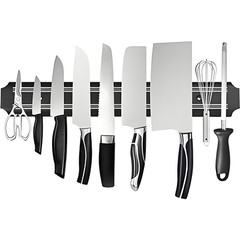
In kitchens, pot magnets can hold knives securely on wall-mounted strips, offering a sleek storage solution. For DIY enthusiasts, magnets are ideal for creating custom items like picture frames, magnetic organizers, or even crafts involving hanging decor. They also work well for hanging lightweight items like keys or small tools.

6. Additional Applications
Pot magnets extend their usefulness beyond these fields. In retail, they hold signs or lightweight shelving on metal surfaces, offering an easy-to-adjust display setup. In photography and filmmaking, magnets help mount cameras and lights onto metal beams, providing stability during shoots.
For temporary fastening needs, such as holding components during prototype testing, pot magnets are a reliable and reusable solution. Their adaptability makes them suitable for a variety of creative and professional uses.
What Affects a Pot Magnet's Performance?
Not all pot magnets are created equal. A few key factors can affect how well they work:
Size: Larger pot magnets can hold heavier objects, while smaller ones are better for tight spaces.
Material: Neodymium magnets are stronger, but they can rust if not properly coated. Ferrite magnets are weaker but resistant to moisture.
Surface: Pot magnets work best on smooth, clean surfaces. If the surface is dirty, rusty, or uneven, the magnet's strength will decrease.
Temperature: Some magnets lose their strength when exposed to high temperatures. If heat is a concern, materials like samarium cobalt or alnico are better choices.
Installing Pot Magnets Safely
Pot magnets are easy to use, but handling them carefully is important for safety and performance. Mishandling can lead to accidents or reduce their effectiveness. Here's a detailed guide for safe installation:
1. Secure Mounting
Attach Firmly: Make sure the magnet is firmly fixed to the surface. Use appropriate mounting hardware like screws or adhesives that can hold the weight securely.
Surface Preparation: Check that the surface is clean, smooth, and flat. Dirt, oil, or uneven surfaces can weaken the magnetic grip. Clean and prepare the surface before mounting.
Test Stability: After installation, check the magnet's hold by gently applying pressure. If it moves, adjust the attachment to prevent slipping or accidents.
2. Handle Strong Magnets with Care
Avoid Pinching Injuries: Larger pot magnets have strong pull forces and can snap together unexpectedly. Keep fingers clear when handling them to avoid injury.
Use Separators When Handling Multiple Magnets: If working with more than one magnet, place non-magnetic spacers between them to prevent sudden snaps.
Wear Gloves for Safety: Gloves can provide extra protection against pinches or scratches during installation.
3. Prevent Drops and Physical Damage
Handle Gently: Although encased in steel, the magnetic core is brittle and can crack or chip if dropped. Use two hands for heavier magnets to maintain a firm grip.
Store Properly: When not in use, store magnets on a magnetic board or in a padded container to prevent accidental drops or impacts.
Caring for Pot Magnets
Proper care keeps pot magnets effective and increases their lifespan. Follow these steps to maintain them:
Keep them dry: Store magnets in a dry area to avoid rust, especially if they are made of neodymium. Use rust-resistant coatings for humid conditions.
Clean regularly: Wipe magnets with a soft cloth to remove dust or grease. Avoid abrasive cleaners that might damage coatings.
Inspect for damage: Check for cracks or chips. Replace damaged magnets to maintain safety and performance.
Wrapping it All Up
Pot magnets may be small, but they pack a punch. Their combination of strength, durability, and versatility makes them a reliable choice for countless pot magnet applications. It doesn't matter if you are in a factory, on a construction site, or in your own garage, pot magnets are a simple, effective solution for holding, lifting, and organizing.
If you have undertaken a project that requires a dependable magnet, consider using a pot magnet. These pot magnets make them practical and easy to handle, helping you complete tasks efficiently without unnecessary hassle.