











Did you know? Even a small amount of iron can ruin an entire batch of food or chemical powders! Choosing the right magnetic separator is crucial. This article will provide an in-depth understanding of the working principles, advantages, and disadvantages of grate and rotary magnets, and their applications in different industries. Whether you're in food processing, chemical production, or bulk powder handling, this article will help you quickly select the right magnetic separator.
What is a Great Magnet
A grate magnet is a powerful industrial iron removal device, consisting of multiple rows of high-strength permanent magnets or stainless steel magnetic gratings installed in pipes or troughs. It efficiently captures and separates ferromagnetic impurities such as iron filings, screws, and scale from bulk materials, liquids, or slurries. Widely used in the food, chemical, plastics, and recycling industries, it is a critical device for ensuring product purity and protecting production equipment safety.
Definition and Structure
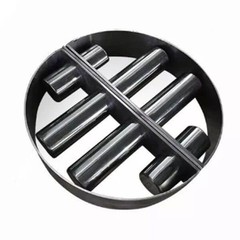
A grating magnet consists of a housing, flange, and an internal core magnetic system. At its core, the grid magnet consists of several high-strength rare-earth permanent magnets arranged in parallel at specific intervals, forming a grid pattern and fixed within a stainless steel frame. The staggered polarity of the magnets creates a strong magnetic field, allowing the entire magnetic grid to be easily removed and cleaned. This structure ensures a strong adsorption area and efficient impurity capture, while also facilitating routine maintenance.
Advantages and Disadvantages of Great Magnets
Advantages
Its simple structure, easy installation, and low cost make it suitable for free-flowing powders, granules, or lightly flowing materials. It lacks complex mechanical components, resulting in low maintenance and safe operation. Furthermore, the magnetic bars are easy to clean, especially with manual or quick-clean designs.
Disadvantages
When handling sticky, wet, or agglomerated materials, the magnetic bars can easily become clogged, affecting separation efficiency. Furthermore, for high-volume or large-scale continuous production operations, the separation capacity of fixed magnetic bars may be insufficient, requiring frequent machine downtime for cleaning.
How the Great Magnet Works
When material passes through the grid magnet, ferrous impurities are attracted by the magnetic force and adhere to the surface of the magnetic bars, while non-magnetic materials continue to flow downstream. By optimizing magnet density and magnetic strength, you can ensure that as many iron particles as possible are captured, minimizing equipment wear and product contamination. Grid magnets typically rely on manual or quick-cleaning mechanisms to periodically clean the magnets to maintain separation efficiency.
Great Magnet Applications in Various Industries
Grid magnets play a key role in removing iron from materials, protecting equipment, and improving product quality.
Food Processing Industry
In food processing, grid magnets can remove iron impurities from grains, powdered sugar, and flour, ensuring food hygiene and safety while protecting downstream equipment and complying with industry standards.
Plastics and Chemical Industries
For plastic particles, resins, or chemical powders, grid magnets can effectively capture iron impurities, prevent equipment wear, and improve product purity and production efficiency.
Mining and Bulk Material Handling
In mining or bulk material handling, grid magnets can be used in crushers or conveying processes to remove iron impurities, reduce equipment downtime, improve material recovery efficiency, and make your production line smoother and safer.
What is a Rotary Magnet?
A rotary magnet is a self-cleaning magnetic separator commonly used for materials with sticky, wet, or irregularly shaped particles. Typically installed in a hopper, conveyor, or pipeline, it continuously attracts iron impurities through a rotating magnetic bar, preventing clogging. Compared to fixed grid magnets, rotating magnets maintain consistent separation efficiency in high-volume production environments and reduce the need for manual cleaning. The continuous motion of the rotating magnet effectively captures iron particles while allowing the material to pass smoothly, achieving continuous production and efficient separation.
Definition and Structure
Rotary magnets consist of magnetic rods mounted on a rotating shaft and enclosed in a housing. As the material is conveyed through the rotating magnet, ferrous particles are attracted by magnetic force, and the rotating action allows the magnetic rods to continuously clean themselves, preventing clogging. It is suitable for sticky, wet, or irregularly sized materials, ensuring consistent and efficient separation. Advantages and
Disadvantages of Rotary Magnets
Advantages
Able to handle sticky or high-volume materials, with high separation efficiency and continuous production without frequent shutdowns for cleaning. It also reduces the risk of magnetic bar clogging and is suitable for industries such as food, chemical, and pharmaceuticals.
Disadvantages
include higher cost, complex construction, the need for mechanical drive and regular maintenance, and slightly higher energy consumption than fixed grid magnets.
How Rotary Magnets Work
As material passes through a rotating magnet, ferrous particles are magnetically attracted to the surface of the magnetic bar. The rotational motion removes impurities from the surface of the bar, achieving self-cleaning. You can optimize separation efficiency by adjusting the rotation speed and magnetic strength. This design is particularly suitable for handling sticky, wet, or high-throughput powders, protecting downstream equipment while ensuring product purity.
Rotary Magnets in Various Industries
Rotary magnets are widely used in various industries due to their high efficiency, continuous separation, and self-cleaning properties. Understanding the application characteristics of each industry can help you select the most suitable equipment, improve production efficiency, and protect equipment.
In Food Processing
They are suitable for flour, powdered sugar, dairy products, and sticky powders. Rotary magnets prevent clogging, ensuring product hygiene and safety.
Plastics & Chemicals
Used for resin pellets, chemical powders, and sticky materials. Rotary magnets help remove iron impurities, reduce equipment wear, and improve product purity.
Mining & Bulk Materials
Suitable for high-volume mineral powders, sand, gravel, and other bulk materials. Rotary magnets can continuously process wet or irregularly sized materials, reducing downtime and protecting crushers and conveying equipment.
Key Differences Between Grate Magnets and Rotary Magnets

When selecting a magnetic separator, it's important to understand the core differences between grate magnets and rotary magnets. This not only impacts separation efficiency but also production costs, maintenance frequency, and equipment lifespan. Different material types, production requirements, and industry standards will determine which magnet is best suited for your production line. By comparing performance, cost, maintenance requirements, and industry suitability, you can make an informed choice to ensure product quality, production safety, and maximize return on investment.
Performance Comparison
Screen magnets excel in free-flowing materials and effectively capture iron impurities, but they are prone to clogging and reduced efficiency when handling sticky, wet, or agglomerated materials. In contrast, rotary magnets, with their continuously rotating magnetic bars, avoid clogging and maintain stable separation even in highly wet or irregularly sized materials. You can select the appropriate equipment based on material characteristics to achieve efficient iron removal and protect downstream equipment.
Cost and Maintenance
Screen magnets have a low initial investment, a simple structure, and are easy to maintain and clean, making them suitable for small batches or low-volume production. While rotary magnets have higher purchase and maintenance costs, they are suitable for large-scale, high-capacity production and can reduce the costs associated with frequent cleaning downtime. You need to balance equipment cost with long-term maintenance investment based on your production needs to optimize overall operating costs.
Industry Applicability
Grid magnets are suitable for free-flowing materials like grains, granules, and plastic powders, performing particularly well in the food, light industry, and chemical industries. Rotary magnets are more suitable for easily clogging materials like flour, powdered sugar, dairy products, and sticky chemical powders, and are ideal for high-volume, continuous production. By understanding the industry applicability of different magnets, you can ensure you select the most suitable equipment, improving production efficiency and product quality while meeting industry standards and safety requirements.
|
Comparison Dimension |
Grate Magnets |
Rotary Magnets |
|
Performance |
Suitable for free-flowing materials, efficient in capturing iron impurities; prone to clogging in sticky or wet materials |
Suitable for sticky, wet, or irregular particle materials; continuous rotation can avoid clogging and maintain stable efficiency |
|
Cost |
Low initial investment and simple structure |
High initial investment and complex structure |
|
Maintain |
Easy to clean and requires low maintenance; suitable for low-volume or small-batch production |
Requires regular maintenance, high maintenance cost; suitable for high-volume continuous production |
|
Applicable Materials |
Powders, granules, free-flowing materials |
Sticky powder, wet material, irregular particle material |
|
Industry Applicability |
Free-flowing materials in the food, light industry, and chemical industries |
Food (flour, powdered sugar, dairy products), chemical high-yield powder |
How Do You Choose the Right Magnetic Separator for Your Application
Choosing the right magnetic separator is a critical step in ensuring production line efficiency, safety, and product quality. Different material types, production volume requirements, cleaning frequency, and industry standards all influence your decision. By systematically evaluating these factors, you can select the most suitable magnetic equipment to optimize production efficiency and minimize downtime and maintenance costs.
Valuation Material Type
You need to understand the characteristics of your material. Free-flowing materials like grain, plastic pellets, or dry powders are best served by grid magnets. Sticky, wet, or irregularly shaped materials, on the other hand, are better suited to rotary magnets or self-cleaning designs. By matching the magnetic separator to the material type, you can ensure efficient iron removal while avoiding blockages and production interruptions.
Consider Your Capacity Requirements
Consider the production capacity and throughput of your line. If you need to process large batches and high throughput, a rotary magnet can provide stable, continuous separation. For low-volume or small-batch processes, a grid magnet may be a more economical and practical option. Understanding your production capacity needs will help you balance investment costs with long-term maintenance expenses.
Cleaning Frequency and Convenience
You also need to pay attention to how the magnets are cleaned and maintained. Grid magnets typically require manual cleaning and are suitable for low-frequency cleaning conditions. Rotating magnets or self-cleaning equipment can reduce manual intervention and enhance continuous production efficiency. Considering the ease of cleaning can reduce operational risks while saving time and manpower.
Summary
Whether it is a grid magnet or a rotating magnet, they can ensure product safety and protect equipment: grid magnets are economical and practical, suitable for free-flowing materials; rotating magnets are efficient and stable, suitable for sticky or high-yield materials. Choosing the most suitable equipment according to material characteristics, production capacity requirements, and industry requirements can improve production safety and efficiency. GME's rotary magnetic separators provide efficient and reliable solutions to make your production safer and smoother.