











You probably know that magnets can attract iron, but have you ever wondered if they can stick to aluminum? Aluminum, a metal found in everything from cans to airplanes, often sparks curiosity about its magnetic properties. In this article, we'll explore why magnets don't attract aluminum and explain the science behind it. By the end, you'll have a clearer understanding of how magnets interact with different metals, including aluminum.
What Is a Magnet?
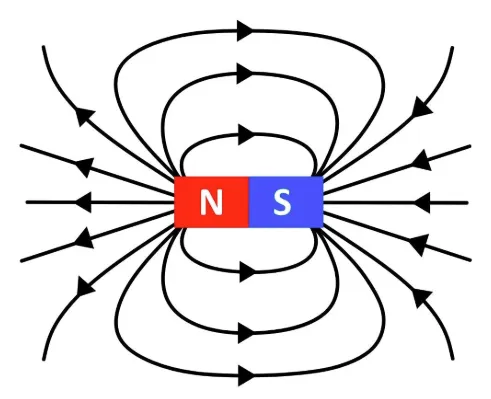
A magnet is an object that generates a magnetic field, thus attracting certain metals, iron, nickel, and cobalt. Common magnet materials include neodymium, ferrite, or AlNiCo, each with varying magnetic strength. Magnets have a wide range of applications, found in electronics, tools, motors, speakers, and even toys.

How Does It Work?
Magnetics is generated through the interaction of magnetic fields, which are produced by moving electric charges. When a magnet approaches a substance, its magnetic field affects the atoms within that substance. If the substance is magnetic, the atoms align themselves, and the object is attracted to the magnet. Non-magnetic substances, aluminum, do not produce the same reaction because their atoms do not align to form a magnetic field.
Characteristics of Aluminum
Aluminum is a lightweight, non-ferrous metal known for its strength and versatility. It's widely used in industries like aerospace, packaging, and construction due to its corrosion resistance and durability. However, unlike ferromagnetic metals, aluminum doesn't have magnetic properties. This is because its atoms don't align in a way that would create a magnetic field. Instead, aluminum is classified as a non-magnetic material, meaning it doesn't interact with magnets the same way metals like iron or steel do. Understanding this helps explain why magnets can't stick to aluminum!

Why don't magnets attract aluminum?
Magnets don't attract aluminum because it's a non-magnetic material. Iron is ferromagnetic, meaning its atoms can align themselves in a magnetic field, while aluminum's atoms are arranged in a way that doesn't generate a magnetic field. Simply put, aluminum lacks the properties required for magnet attraction. Although aluminum can be affected by strong magnetic fields under certain conditions, it doesn't possess the inherent magnetism of metals like iron or steel. This is why you won't see magnets sticking to aluminum cans.
What metals are Magnetic?
Some metals, known as ferromagnetic metals, are strongly attracted to magnets. These include iron, cobalt, and nickel. What makes these metals magnetic is their atomic structure: the electrons in these metals align in a way that creates a magnetic field. When exposed to a magnet, their atoms align, allowing them to be attracted to the magnetic force. This alignment of atomic particles is what gives these metals their magnetic properties, making them responsive to magnets. Understanding this can help you identify which materials will interact with magnets in various situations!
|
Metal |
Magnetic |
Reason/Explanation |
|
Iron |
Yes |
Iron is the most typical magnetic metal; its atomic electrons align to create a magnetic field, allowing it to be attracted to magnets. |
|
Cobalt |
Yes |
Cobalt has magnetic properties due to its atomic structure, which allows it to respond to magnetic fields. |
|
Nickel |
Yes |
Like iron and cobalt, nickel's atomic electrons align, generating a magnetic field that can attract magnets. |
|
Steel |
Yes (contains Iron) |
Steel usually contains iron, making it magnetic. |
The Role of Aluminum in the Magnet Industry
While aluminum itself isn't magnetic, it plays a crucial role in the magnet industry, especially in applications where its lightweight and corrosion-resistant properties are highly valued.
Common Uses of Aluminum
Aluminum is widely used in industries such as aerospace, construction, packaging, and CNC routing due to its lightweight, high strength, and corrosion resistance. Its non-magnetic nature is actually advantageous in many applications, as it ensures that it does not interfere with magnetic fields, which is crucial in electronics and precision equipment.

Applications of Magnets in the Aluminum Industry
While aluminum itself is not magnetic, magnets play an important role in the recycling and manufacturing of aluminum. During recycling, magnets are used to separate ferromagnetic metals from non-ferromagnetic metals such as aluminum.
Interactions with Aluminum Alloys
In certain special aluminum alloys, magnets may have a slight effect under specific conditions, especially in alloys containing ferromagnetic metals. However, aluminum itself is largely unaffected by magnets.
Interaction between Strong Magnets and Aluminum Alloys
While aluminum itself isn't magnetic, strong magnets, like Neodymium, can still interact with aluminum alloys in interesting ways-often in ways you might not expect!
Interaction with Strong Magnets
When strong magnets, such as neodymium magnets, interact with aluminum alloys, the reaction is usually weak. Aluminum itself does not possess magnetism, but a strong magnetic field can induce temporary magnetism, resulting in slight movement or friction.
Weak Magnetism of Alloys
Some aluminum alloys, especially those containing small amounts of ferromagnetic metals, may exhibit weak magnetism. These alloys may show a slight response to strong magnets, but they are not truly magnetic materials.
How to test if a metal is magnetic?
Wondering if a metal is magnetic? Here's a simple guide to help you determine if a material will attract a magnet or not!
Simple Test
To test if a metal is magnetic, simply bring a magnet close to the metal. If the magnet is attracted, the metal is magnetic. If the magnet is not attracted, the metal is likely not magnetic. It's that simple!
Magnetic vs. Non-Magnetic Metals
Curious whether a metal is magnetic or not? Testing it is easier than you might think! There are simple methods and DIY experiments that can help you quickly determine if a material will attract a magnet. Let's dive into some easy ways to check and the key differences between magnetic and non-magnetic metals.
Magnetic metals, iron and steel, are attracted to magnets because of their atomic structure. Non-magnetic metals, such as aluminum or copper, do not interact with magnets in the same way because their atomic arrangement does not allow for magnetic attraction.
DIY Experiment
A simple DIY test: Prepare a small magnet and some common metals (nails, coins, aluminum foil). See which metals are attracted to the magnet. This simple test will help you identify magnetic and non-magnetic materials!

Conclusion
In summary, while magnets can attract metals like iron, cobalt, and nickel, aluminum remains non-magnetic due to its atomic structure. Understanding why aluminum doesn't respond to magnets helps you make better decisions in both everyday use and industrial applications. You've also learned how to test metals for magnetism and how aluminum alloys may react under specific conditions. Whether you're curious about science or working with magnets in engineering, knowing the differences between magnetic and non-magnetic metals is essential. Now that you understand how magnets interact with various materials, you can explore practical applications with confidence!
Frequently Asked Questions
Aluminum is non-magnetic, so why is it still used in industrial applications?
Aluminum's non-magnetic nature is actually an advantage in many industries. In aerospace, electronics, and manufacturing, aluminum's non-magnetic properties ensure precision and safety. Furthermore, aluminum's lightweight, high strength, and corrosion resistance make it ideal for many applications where magnets are not required.
Are there situations where magnets and aluminum are used simultaneously?
Yes, although aluminum itself is non-magnetic, magnets play a crucial role in aluminum applications. In aluminum recycling, magnets are used to separate ferromagnetic metals from non-ferromagnetic materials. Additionally, magnets are used in aluminum alloy manufacturing because alloys containing small amounts of magnetic materials may have a weaker response to magnets.
How does aluminum's non-magnetic nature benefit certain applications?
Aluminum's non-magnetic nature is advantageous in applications such as electrical wiring, electronic enclosures, and aerospace engineering, where magnetic field interference can cause problems. By selecting non-magnetic aluminum, these industries can ensure more precise and reliable performance without worrying about distortion caused by magnetic fields.
Will magnets attract brass or tin?
No, magnets will not attract brass or tin. Due to their atomic structure, they are non-magnetic metals and will not react to magnetic fields.
Will aluminum rust?
No, aluminum does not rust like iron. Instead, it forms a protective oxide layer to prevent corrosion. It may lose its luster, but it will not rust like steel.
What can attract aluminum like a magnet?
Aluminum itself is non-magnetic, so nothing can attract aluminum like a magnet. However, strong adhesives like epoxy resin or aluminum foil tape work well. Some aluminum alloys containing ferromagnetic metals may exhibit slight magnetism.