





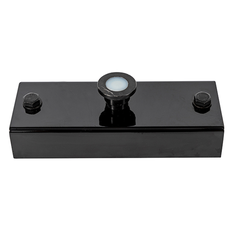
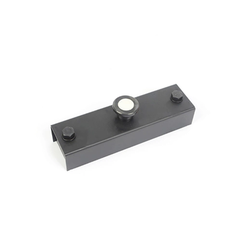



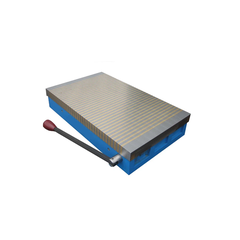


Did you know that switchable magnets can generate thousands of kilograms of attraction force, yet release it instantly with a simple twist or lever flick? It sounds almost magical, but it's pure engineering! In this guide, I'll explain in detail how switchable magnets work, their power, and how industries like CNC machining, metal manufacturing, and automation rely on them day in and day out.
Whether you're a technician, an engineer, or simply curious, you'll understand the principles behind magnetic switching and why this technology is superior to traditional electromagnetic systems. Let's dive in
What Is a Switchable Magnet?
A switchable magnet is a permanent magnetic device that lets you turn its holding force on and off whenever needed. Unlike electromagnets, it doesn't require continuous power, making it safer and more energy-efficient. You control the magnet by rotating an internal mechanism that redirects the magnetic flux. When the magnet is "on," it securely grips ferrous materials; when "off," it releases instantly. This makes it ideal for CNC workholding, lifting, welding, and other precision metalworking tasks.
Why Engineers Prefer Them Over Traditional Fixtures
Engineers prefer switchable magnets because they solve problems traditional clamps can't. You get faster setup times, cleaner work surfaces, and no risk of distorting your workpiece. Since the magnet applies a uniform holding force, you can machine more accurately and access more sides in a single setup. You also avoid the hassle of bolts, clamps, and repeated adjustments. For busy workshops, this means higher productivity, safer handling, and smoother workflow, especially when dealing with large or irregular metal parts.
How Switchable Magnets Work: Step-by-Step Mechanism
Switchable magnets operate through a smart internal system that redirects magnetic flux to control exactly when holding force is applied or removed.
Overview of the Magnetic Switching Process
Switchable magnets operate by rotating an internal magnetic core to change how flux flows. When you move the lever, the magnet's polarity alignment shifts, either directing magnetic force outward to the workpiece or keeping it contained inside the body.
Internal Components and Their Roles
Inside the magnet, you'll find permanent magnet blocks, a rotating core or cam, and pole shoes. Each part works together so you can control magnetic strength without electricity.
The ON Position: How Full Holding Force Is Activated
When you switch the magnet "on," the internal magnets align with the pole shoes, pushing magnetic flux outward. This creates a strong, even grip on ferrous materials.

The OFF Position: How the Magnet Releases
Switching to "off" redirects the flux internally, breaking the connection with the workpiece. This lets you release the part instantly without force or tools.
Advantages of Switchable Magnets
Switchable magnets offer several key advantages that can significantly improve your efficiency, safety, and accuracy in everyday metalworking and lifting tasks.
Energy Efficiency and Cost Savings
Switchable magnets give you strong holding power without continuous electricity. This saves you energy costs and eliminates the worry of power interruptions affecting your work.
Safety Benefits
Because the magnet stays engaged even during power loss, you get a much safer setup, especially when lifting or machining heavy parts. There's no risk of sudden drops or unexpected release.
Precision and Productivity
With uniform holding force and no clamps blocking your tools, you can machine more accurately and complete setups faster. This boosts your productivity and helps you achieve cleaner, more consistent results.
Switchable Magnets vs Electromagnets
Choosing between switchable magnets and electromagnets depends on how you prioritise safety, energy use, and the demands of your work environment.
Performance Comparison
Switchable magnets give you a strong, stable holding force without needing continuous power, making them safer during power loss. Electromagnets, however, depend on electricity to maintain grip, which can introduce heat and energy costs. If you want consistent performance with minimal risk, switchable magnets are usually the better choice.
Application Differences
Switchable magnets excel at CNC workholding, lifting, and fabrication because they stay secure even without power. Electromagnets are more common in automated systems where rapid, repeated activation is needed. Understanding these differences helps you choose the right tool for your workflow.
|
Feature |
Switchable Magnets |
Electromagnets |
|
Power Requirement |
No continuous power |
Requires constant electricity |
|
Safety During Power Loss |
Remains secure |
The workpiece may drop |
|
Heat Generation |
None |
Can generate heat |
|
Holding Stability |
Very stable |
Dependent on power quality |
|
Typical Use Cases |
CNC, lifting, welding |
Automation, conveyor systems |
Industrial Use Cases and Best Practices
Switchable magnets play a crucial role across CNC machining, lifting operations, and welding tasks, giving you faster setups, safer handling, and more precise metalworking results.
CNC Machining Magnetic Chucks
In CNC machining, switchable magnets let you hold workpieces securely without clamps getting in the way. You'll benefit from faster setups, cleaner surfaces, and the ability to machine multiple sides in one operation. This improves precision and boosts productivity.
Lifting and Handling Applications
For lifting steel plates or heavy parts, switchable magnets give you safe, controlled handling. You don't need slings or hooks, reducing the risk of damage or accidents. With a simple switch, you can engage or release loads quickly.

Welding and Fabrication
During welding or fabrication, switchable magnets help you position and hold metal parts at various angles. This gives you better alignment, fewer adjustments, and a more efficient workflow, especially when working with large or irregular pieces.

Common Misconceptions About Switchable Magnets
Understanding the common misconceptions about switchable magnets helps you avoid mistakes and choose the right magnetic solution for your specific application.
The stronger the magnetic force, the better" is a misconception
Many people assume that a higher magnetic force is always beneficial, but that's not true. What you really need is an appropriate holding force for your application. Too much magnetic pull can actually cause deformation or make part removal difficult. You should focus on stability, not just raw strength.
Switchable Magnets Are Not Suitable for All Materials
These magnets work best with ferrous metals. If you're working with aluminium, copper, or certain stainless steels, you won't get the holding performance you expect. Always check material compatibility before choosing a magnetic fixture.
The smoother the Surface, the Stronger the Magnetic Force
Surface condition matters. A smoother surface gives the magnet better contact, allowing flux to transfer efficiently. If your workpiece has rust, paint, or a rough texture, you'll notice weaker performance, so cleaning the surface first always helps.
Maintenance & Safety Guidelines

To keep your switchable magnets performing reliably, you should regularly clean the pole surfaces, remove metal chips, and ensure proper alignment with your workpiece. Even small debris can weaken the holding force. For heavy lifting applications, always verify load ratings, inspect the magnet before use, and test engagement before lifting. Following these simple habits helps you maintain strong magnetic performance while keeping your workspace safe and efficient.
Conclusion
Switchable magnets aren't just clever, they're transformative! From CNC machining to heavy lifting, their unique ability to switch magnetic holding force on and off gives industries unmatched efficiency and safety. As you explore how these magnets work and where they excel, you'll gain a deeper appreciation for the engineering behind them. If you're working in metal fabrication or precision machining, now is the perfect time to leverage this technology for safer, faster, and more accurate operations!
FAQ
01. Are switchable magnets safe to use during power outages?
02. What materials can switchable magnets hold?
03. Do switchable magnets lose strength over time?
04. Can I use switchable magnets for thin metal sheets?
05. What's the difference between a switchable magnet and an electropermanent magnet?