

















Magnets are an integral part of our daily lives, from the fridge to the devices we use. But do magnets have an effect on the human body? It's a question that has intrigued scientists and health enthusiasts alike. From magnetic therapy to concerns about exposure to strong magnetic fields, the topic of whether magnets affect humans is more complex than it seems. Let's dive into the science, explore the potential benefits and risks, and see if there's any truth behind the claims!
What Are Magnets?
Magnets are fascinating objects that exert a force on certain materials, known as magnetic forces. These forces can either attract or repel objects, depending on the nature of the material. Magnets come in various forms, from the small fridge magnets you see at home to large industrial magnets used in machinery. They are primarily made from materials like iron, nickel, and cobalt, which have magnetic properties. But how do they actually work? The key lies in their atoms, which align in a way that generates a magnetic field. Let's take a deeper look at what types of magnets exist and how they function!
Types of Magnets: Permanent, Temporary, and Electromagnets
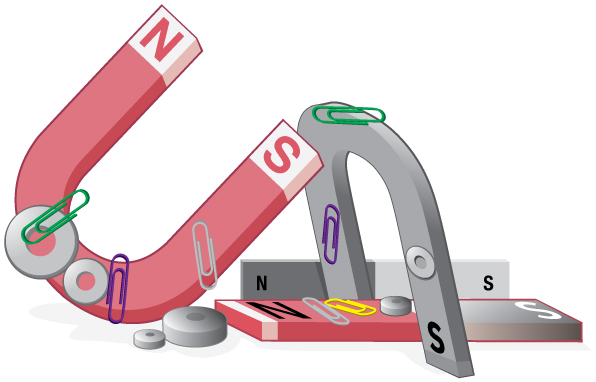
Magnets can be divided into three categories based on their characteristics and how they behave:
|
Type of Magnet |
Description |
Examples |
|
Permanent Magnets |
Magnets that retain their magnetic properties over time. They continue to attract or repel objects without requiring an external power source. |
Refrigerator magnets, bar magnets |
|
Temporary Magnets |
Magnets that become magnetic only when exposed to a magnetic field but lose their magnetism once the external field is removed. |
Iron |
|
Electromagnets |
Magnets are created by running an electric current through a coil of wire, generating a magnetic field. Their strength can be adjusted. |
Motors, transformers, MRI machines |
How Do Magnets Create Magnetic Fields?
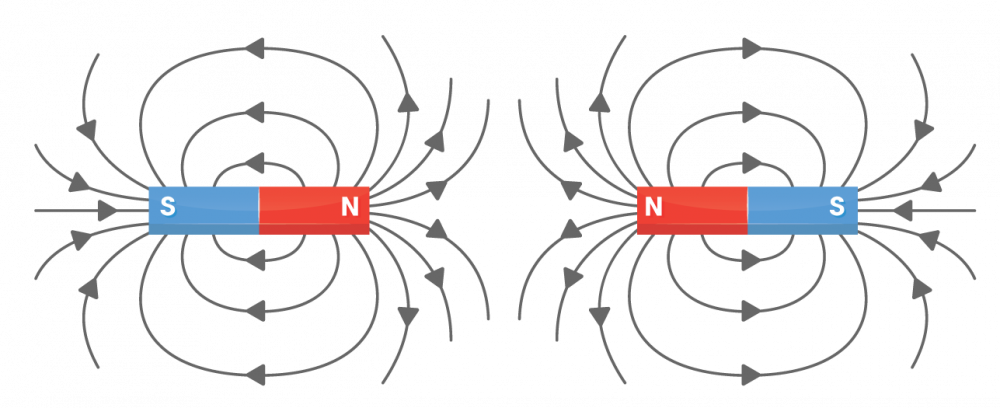
Magnets generate magnetic fields through the alignment of their atoms. Inside a magnet, the electrons within atoms move in such a way that their magnetic fields align. This results in a unified magnetic field that extends around the magnet. The direction and strength of the magnetic field depend on the material and the alignment of the atoms. When two magnets are brought close together, their magnetic fields interact, leading to attractive or repulsive forces depending on their poles.
By understanding the basic principles of magnets, we can better appreciate their presence in everyday life and how they might interact with the human body.
How Magnetic Fields Interact with the Human Body
Magnetic fields are all around us, and it's important to understand how they interact with the human body.
The Natural Magnetic Field of Earth
The Earth itself generates a magnetic field, and our bodies are constantly exposed to it. This natural field plays a role in various biological processes, helping birds navigate and even influencing human circadian rhythms. Although the Earth's magnetic field is weak, it has been suggested that it may affect our body's biological functions over time.
Can Magnetic Fields Alter Human Cells and Tissues?
Magnetic fields, especially those at higher intensities, can influence cells and tissues. Studies have shown that certain magnetic fields may impact cellular processes, such as growth and division. However, while research continues, the extent of their effects on human health remains a topic of debate. For most everyday exposures, there are no significant harmful effects on the body.

Magnetic Therapy: Health Benefits or Hype?
Magnetic therapy has gained popularity as a potential treatment for various health conditions, but does it live up to the claims?
How Magnetic Therapy Works
Magnetic therapy involves the use of static magnets placed on or near the body to stimulate healing processes. These magnets are believed to influence blood flow, reduce inflammation, and promote pain relief by interacting with the body's magnetic fields. Devices like magnetic bracelets, Magnetic pads, and insoles are commonly used for therapy.
Does Magnetic Therapy Relieve Pain and Improve Circulation?
Some studies suggest that magnetic therapy may help alleviate pain by increasing blood circulation to affected areas, reducing inflammation, and promoting tissue repair. It may also help with muscle soreness and joint stiffness, offering relief for some users.
Is Magnetic Therapy Effective for Chronic Conditions?
While many users report relief from chronic pain conditions like arthritis and fibromyalgia, scientific evidence supporting the long-term effectiveness of magnetic therapy is still limited. It may provide temporary relief, but further research is needed to fully confirm its benefits.
Risks of Magnetic Exposure on Human Health
While magnets can offer benefits, exposure to high-intensity magnetic fields can pose health risks in certain situations.
High-Intensity Magnetic Fields
Strong magnetic fields, such as those found in MRI machines or industrial equipment, can potentially interfere with biological functions. Prolonged exposure to intense fields may lead to dizziness, nausea, or more severe neurological effects, though such risks are rare with proper safety measures.
Safety Concerns for Medical Implants
People with implanted medical devices like pacemakers or defibrillators should avoid strong magnetic fields, as they may disrupt the function of these devices. Always consult your doctor before undergoing treatments involving magnets or MRI scans if you have implants.

Long-Term Exposure to Magnetic Fields
There is ongoing research about the effects of long-term exposure to magnetic fields, particularly from electromagnetic fields (EMF). While most studies show no immediate health risks, prolonged exposure to high levels of EMF may increase the risk of certain conditions.
Conclusion
In conclusion, magnets are generally safe for daily use, but caution is essential when exposed to strong magnetic fields. While magnetic therapy may offer some health benefits, more research is needed to fully verify its effectiveness. To ensure your safety, it's important to follow proper guidelines and use magnetic products responsibly. If you're looking for safe, high-quality magnetic therapy products, explore our collection today and discover how they can support your well-being!
FAQ
Q: Can magnetic fields cause harm in the workplace?
A: In workplaces with high-intensity magnetic fields, such as factories or medical settings, there may be some health risks. Prolonged exposure to strong magnetic fields can cause dizziness or interfere with medical implants, like pacemakers. It's crucial to follow safety guidelines and wear protective gear to minimize exposure and risks.
Q: Are magnetic products like bracelets and insoles really helpful for health?
A: Many people find health-related magnetic products, such as bracelets and insoles, helpful for pain relief and improving circulation. However, while these products are popular, scientific evidence about their effectiveness remains inconclusive. They may offer temporary relief, but more research is needed to confirm their long-term benefits.
Q: Is it safe for people with medical implants to use magnets?
A: People with medical implants, such as pacemakers, should avoid exposure to strong magnetic fields, as they can interfere with the function of these devices. It's always recommended to consult with a doctor before using magnetic products, particularly if you have an implant or other medical conditions.
Q: How can I protect myself from harmful magnetic field exposure?
A: To protect yourself from harmful magnetic field exposure, it's important to follow safety guidelines, especially in environments with strong magnetic fields like industrial settings. For everyday use, avoid close contact with high-intensity magnets and be cautious with products that claim health benefits, ensuring they are used according to safety recommendations.