











Magnetic traps play a crucial role in ensuring the quality and safety of your products by removing metal contaminants from materials in various industries. Whether you're in food processing, pharmaceuticals, or manufacturing, using a magnetic trap helps protect your equipment, improve product quality, and maintain regulatory compliance. In this article, we'll explore how magnetic traps work, their key benefits, and how they can be tailored to your specific needs for maximum efficiency and reliability.
Understand the Basic Principles of Magnetic Traps
Magnetic traps are essential devices used in various industries to remove metal contaminants from materials or products, ensuring cleaner and safer output. By utilizing the power of magnets, they can efficiently capture ferrous material, such as iron or steel, from flowing substances like liquids, powders, or bulk materials. This is crucial in industries where even a tiny piece of metal contamination could lead to major problems, including product recalls, machinery damage, or safety hazards.
In this section, we'll explore how magnetic traps work, their applications, and the unique benefits they offer.
Working Principle of Magnetic Traps
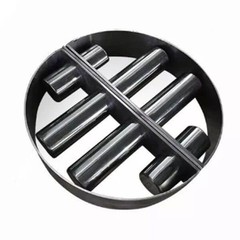
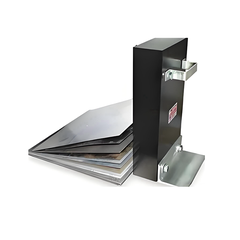
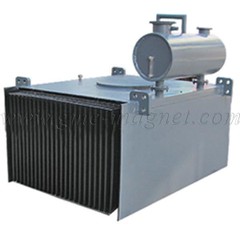
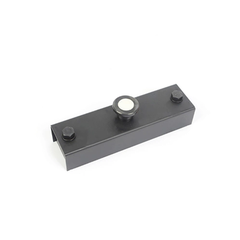
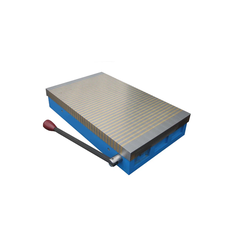
The working principle of a magnetic trap is simple yet highly effective. These devices use powerful magnets, typically housed in a stainless steel enclosure, to attract and capture ferrous particles that are present in the material being processed. The contaminated material flows through the trap, and the magnetic field pulls out the metal particles, preventing them from continuing through the system. Depending on the type of magnetic trap, it may be designed with different configurations, such as magnetic rods or grids, which offer various levels of effectiveness in capturing particles of different sizes.
Once the material has passed through the magnetic trap, the trapped debris is either removed manually or automatically. This ensures the continuous flow of contaminant-free materials, helping maintain the quality of the final product and the integrity of the machinery.

Applications of Magnetic Traps
Magnetic traps find applications across a wide range of industries, including:
Food Processing: Ensuring the safety and quality of food by removing metal contaminants that could cause harm or spoilage.
Pharmaceuticals: Meeting stringent safety standards and ensuring that metal particles do not contaminate products that are sensitive to contamination.
Mining: Protecting heavy machinery from damage caused by ferrous debris in mined materials.
Plastics and Chemicals: Preventing damage to production equipment and ensuring the purity of materials used in sensitive manufacturing processes.

Key Features and Benefits of Magnetic Traps
The benefits of magnetic traps extend beyond just contamination removal:
Efficient Contaminant Removal: Magnetic traps are highly effective at removing even the smallest ferrous particles from materials, ensuring a cleaner end product.
Reduced Maintenance Costs: By protecting machinery from damage caused by metal debris, magnetic traps help reduce the frequency of repairs and replacements.
Increased Safety: By preventing contaminants from entering the final product, magnetic traps help ensure that the end product meets industry safety standards, which is critical in sectors like food and pharmaceuticals.
Sustainability: Magnetic traps contribute to a more sustainable manufacturing process by reducing the amount of waste and improving the efficiency of material use.
Top Benefits of Using a Magnet Trap
Magnetic traps offer a wide range of benefits that can enhance your operations, protect your machinery, and improve product quality across industries. Here's how they can make a difference:
Improved Product Quality
By removing metal contaminants, magnetic traps help ensure that your products are free from foreign particles. This is especially critical in industries like food processing and pharmaceuticals, where even small contaminants can compromise product safety and quality.

Increased Operational Efficiency
Magnetic traps prevent metal debris from damaging your equipment, reducing downtime and maintenance needs. With fewer disruptions in your production line, you can maintain consistent and efficient operations, saving valuable time.
Cost-Effective and Long-Term Value
Investing in a magnetic trap is a cost-effective way to protect your equipment and improve product quality. The durability and low maintenance requirements of these traps offer long-term value, helping to reduce repair costs and extend the lifespan of your machinery.
Enhanced Regulatory Compliance
Magnetic traps are essential for meeting industry standards and regulations. By ensuring your products are free from contaminants, you can easily meet safety and quality certifications required in sectors like food, pharmaceuticals, and chemicals.
Environmentally Friendly
Magnetic traps contribute to a more sustainable production process by reducing waste and improving material efficiency, helping you minimize your environmental impact while maintaining high standards of safety and quality.
Types of Magnet Traps and Their Specific Applications
Different types of magnet traps are designed to meet the unique needs of various industries. Here's an overview of the most commonly used types and their benefits:
Magnetic Liquid Trap
Application: Used in industries that deal with liquids or slurries, such as chemicals or beverages.
Key Benefits: Efficiently captures ferrous contaminants from flowing liquids, preventing equipment damage and maintaining product purity.
Magnetic Trap Magnets

Application: Commonly used in heavy-duty industries like mining and plastics.
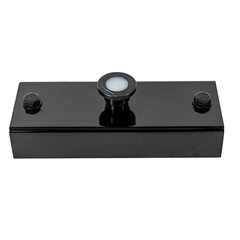
Key Benefits: Stronger magnets designed to handle large amounts of debris, providing maximum protection for machinery and improving production efficiency.
How to Choose the Right Magnet Trap for Your Industry
Choosing the right magnet trap for your business depends on several key factors. Here's what to consider when selecting the best solution for your needs:
Key Factors to Consider
Material Type: Consider the types of materials you are processing. Magnetic traps are most effective at capturing ferrous particles, so understanding the composition of your material is crucial to selecting the right trap.
Size and Installation Requirements: Ensure that the magnet trap fits within the available space and is compatible with your existing systems. Whether it's a compact solution for small machinery or a larger trap for heavy-duty applications, the right size is essential for optimal performance.
Production Volume: The volume of materials you process will influence the type of trap you need. High-volume operations may require more robust, automated systems, while smaller operations can benefit from simpler, manual models.
GME Magnet's Custom Solutions
Customization: At GME Magnet, we offer magnet traps that are tailored to meet the specific needs of your industry. Whether you need a trap for food processing or heavy-duty manufacturing, we provide solutions that fit your exact requirements.
Consultation: We also offer expert consultation to help you choose the right magnet trap. Our team will assess your needs and guide you in selecting the most effective, cost-efficient solution to improve your operations.
How to Maintain a Magnet Trap
Magnet traps are durable devices, but regular maintenance and inspection are crucial to ensure they continue to perform effectively over time. Here are some tips on how to maintain your magnet trap:
Regular Inspections and Cleaning
Magnet traps need to be regularly inspected and cleaned to ensure they continue to remove metal contaminants efficiently. The cleaning frequency depends on the material you are processing and the level of contamination. For industries like food processing and pharmaceuticals, more frequent cleaning may be required, while other industries can extend cleaning intervals.

Cleaning Steps:
Turn off the production line and ensure the magnet trap is safely shut down.
Carefully remove the magnetic components and use a soft cloth or brush to remove any captured metal particles.
If the design allows, clean the magnetic surface with warm water and a non-corrosive detergent.
After cleaning, reassemble the trap and ensure it is properly installed.
Check Magnetic Strength
The magnetic strength of a trap can diminish over time, especially in high-temperature or extreme operating environments. Therefore, it's essential to regularly check the strength of the magnets. You can use specialized magnet strength testers to confirm the effectiveness of the magnetic field.
If you notice a decrease in magnetic strength, consider replacing the magnet core or adjusting the magnetic field to ensure it continues to capture metal contaminants effectively.
Inspect Seals and Structural Integrity
Ensure that the trap's casing, seals, and connection points are not damaged or leaking. Damaged seals can allow metal particles to bypass the trap, reducing its effectiveness. Regularly inspect the device for cracks or signs of corrosion, and repair or replace parts as needed.
Operator Training
It's essential to ensure that operators are trained on the proper operation and maintenance procedures for the magnet trap. Regular training will help them identify potential issues and take appropriate maintenance actions when needed.
By performing regular maintenance and inspections, you can not only extend the life of your magnet trap but also ensure it continues to provide efficient removal of metal contaminants, keeping your production lines running smoothly and maintaining product quality.
Conclusion
Magnetic traps offer significant benefits, including improved product quality by eliminating contaminants, increased operational efficiency by protecting your machinery, enhanced regulatory compliance by meeting industry standards, and long-term cost savings through reduced maintenance and downtime. With these advantages, a magnetic trap is a smart investment for any business. Ready to protect your machinery and improve product safety? Contact GME Magnet today for a custom magnet trap solution tailored to your needs.
FAQ
Q: What industries benefit most from using a magnet trap?
A: Magnetic traps are particularly beneficial in industries like food processing, pharmaceuticals, chemicals, plastics, and mining. They help remove ferrous contaminants from powders, liquids, and bulk materials, ensuring product safety and equipment protection.
Q: How often do I need to clean my magnetic trap?
A: The frequency of cleaning depends on the level of contamination in your materials and the type of trap used. However, most magnetic traps are designed for easy cleaning and maintenance, and regular inspections will help ensure they continue to function effectively.
Q: Can magnet traps be used with all types of materials?
A: Magnetic traps are most effective at capturing ferrous particles. While they are primarily used for materials like metal powders, liquids, and granular substances, they may not be suitable for non-ferrous contaminants. You should consider your specific material needs when selecting a magnet trap.
Q: Are magnet traps customizable to fit my production line?
A: Yes, at GME Magnet, we offer custom solutions tailored to your specific industry and production requirements. Our team will help design a magnet trap that fits your space, material type, and production volume for optimal performance.