








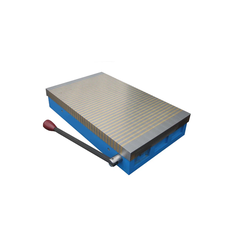


Metal contamination in food is one of the biggest issues in society. Small metallic particles might contaminate the products during manufacturing, packing, or transportation. These contaminants are dangerous to health, reduce the effectiveness of the tools, and cause the recall of the product. They also have an impact on consumer trust and brand image in a negative manner. In the current world, there are very strict measures in food safety as compared to the past, and thus, the need to look for and remove metal particles. Magnetic separators can be used to treat various types of materials. In this article, we shall look at the causes of metal contamination, the danger it poses, and how the process of magnetic separation can be used to ensure that food is safe to be consumed.

Causes of Metal Contamination in Food Processing
Food processing is a process that goes through several steps, and at any of these steps, there is a tendency for metal to contaminate the food.
Equipment Damage and Maintenance Issues
It is important to note that damaged parts may also cause contamination. Bolts, screws, blades or any other parts of the machine that are used separately with the machine may easily come off and fall into the flow of the product. This is particularly the case if the building is not well-maintained or the frequency of maintenance is not frequent enough.
Packaging and Handling
Contamination may occur during the packaging and transportation of the products. When the containers or the tools are contaminated with some other metal, it is possible to chip a part of the metal into the food. Another disadvantage of using metal instruments in manual handling is that there is a likelihood of contamination.
Human Error
The metallic debris may get into the line through human interaction during the assembly or repair of the equipment. This exposes the food to contamination since there are tools and other components that are left near the food areas.
Raw Material Contamination
It is possible to note that metal particles can be present in the raw material before it enters the processing enterprise. The suppliers themselves may produce the ingredients that are already contaminated with some bacteria due to wrong handling or unclean equipment.
Types of Metal Contaminants
There are three broad categories of metal contaminants.
Iron and steel, for example, are ferrous metals and are normally used in items that can be easily detected by magnets.
Non-ferrous metals such as aluminium and copper are non-magnetic; however, they are conductors of electricity.
Stainless steel is quite difficult to locate, especially the ones with low magnetic qualities.
These can be introduced at the time of mixing, cutting, or even during the packing of the product. Identifying the sources of contamination is essential for maintaining product safety and quality.
Risks of Metal Contamination in Food
Metal contamination in food can lead to serious health risks. It has the potential to cause injuries to the mouth, throat, or digestive system. Some of the metals are toxic if ingested in large quantities. Some of the metals are known to damage internal organs after prolonged exposure.

For businesses, the penalties are also severe. This may lead to the recall of contaminated products, hence incurring high costs. Recalls also have an impact on the supply chain and manufacturing timetables. Consumers' legal actions are another threat, resulting in fines or litigation.
This is so because if customers fail to trust that the products they are consuming are safe, their perception of the brand is bound to be negative. There is one negative effect of publicity, which is that it is destructive to long-term customer relations. The regulatory bodies may also come in to investigate the circumstances that led to the incident, or may even punish the party at fault, or carry out inspections.
Preventing contamination is critical for protecting both consumers and business operations. These risks can be minimized by using methods like magnetic separation to mitigate these risks and ensure that the food safety standards are met.
How Do Magnetic Separators Prevent Metal Contamination?
Magnetic separators are essential tools in food processing to remove metal contamination. They function through the application of magnetism to capture ferromagnetic and some austenitic stainless steel particles from the food substances at various processing stages. These separators can be incorporated in the raw material line, during the process line, or after the process line, based on the layout of the production line. They are typically installed at control points like inlet hoppers, conveyor belt feed, and pneumatic conveying systems.
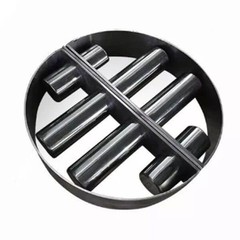
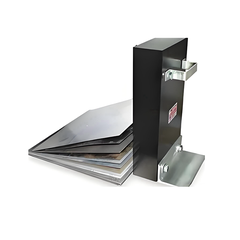
The food materials are transported through or over the magnetic part, such as rods, plates, grids, or grates. Iron particles are separated from the material as it moves along by the force of gravity, air currents, pumps, or belts, as the magnet attracts the fragments out of the stream. These contaminants are attracted to the magnetic strip and thus leave the pure product to go along the line.
Magnetic separators also eliminate the safety threat posed by metal particles in the final product. They also prevent damage to the machinery due to contact with hard metal fragments.
It can also be seen that regular use enhances the quality of the product and helps in the implementation of food safety measures. This ensures that the company does not suffer from issues such as recalls, legal cases, or damage to its brand. By capturing metal contamination early, magnetic separators play a critical role in maintaining clean and safe food production. They are quite efficient and reliable and are widely used in food industries and businesses.
What Types of Magnetic Separators Are Used in Food Manufacturing?
Magnetic separators are vital in food manufacturing to remove metal contamination. These are used for powders, liquids, and semi-solid food products. The following are the common types found in the industry.
Grate and Hopper Magnets
A great magnet is installed in hoppers, chutes, or bins and is suitable for products such as flour, sugar, grains, and spices, etc. They are placed in a manner that they form a lattice structure, and the ferromagnetic particles are pulled towards the rods when the material is passed through it.
Magnetic Tubes
Magnetic tubes are used in gravity-fed systems, which are mostly used for dry processing. They are effective in capturing fine ferrous contamination from products like flour and powdered food items. Magnetic tubes can be used individually or in an assembly to provide higher contamination capture efficiency.
Liquid Trap Magnets
They are wet food magnets, and they are used in products such as sauces, dairy products, and beverages. These magnets contain magnetic rods inside a stainless steel housing, which captures metal contamination as the liquid flows through. They are essential for cleaning and sanitation of liquid food products during their production and processing.
Bullet Magnets
Bullet magnets are used in pneumatic lines for powders and granular products since they help in holding the bullets securely. They have a good flow rate because of their shape and design, and they are also efficient in trapping metal particles. These are mainly applied in the handling of flour, cereals, and any other dry products that are transported through air systems.
Coolant Separators
Although coolant separators do not directly contact food, but help maintain clean processing equipment. By removing metal particles from the coolants, these separators prevent contamination in the food production process. They also assist in cleaning equipment, which will ensure that the food to be prepared does not come into contact with metal particles.
Every type of magnetic separator used in the process of sorting depends on the form of the product and the requirements of the production process. Proper selection assists in achieving the best results in the removal of metal contaminants in food products, and thus, food safety is maintained.
Why Are Magnetic Separators Critical for Regulatory Compliance and Product Quality?
Magnetic separators are important in food safety standards such as HACCP, ISO, and FDA, among others. These systems assist in the elimination of metal particles to meet food safety standards and protect consumers. By preventing contamination, they reduce the risk of product recalls and legal liabilities.
Magnetic separators also prevent metallic particles from causing damage to other processing equipment, which would require repair and replacement, therefore saving downtime costs. Also, they enhance the efficiency of operations by ensuring the continuity of production lines. In general, magnetic separators are used to maintain food quality, food safety, and compliance with regulatory requirements.
How Can You Choose the Right Magnetic Separator for Your Facility?
The type of magnetic separator to be used depends on the following considerations. First, consider the product type. Various types of separators are used for dry powders, liquids, as well as slurry materials. Then, assess the actual configuration of the product concerning the flow characteristics. For instance, the magnetic tube performs well for the gravity feed products, while the liquid trap is suitable for liquids.

The contamination risk is another important factor. If your product has a high risk of metal contamination, a stronger magnet or a more advanced system may be needed. Magnet strength should be chosen based on the type of contamination and the product's requirements.
There are two types of solutions, namely custom-engineered solutions or standard solutions that are obtained from existing solutions. Custom solutions are more likely to address the processing needs of an organization, although they may be more expensive. Standard designs are cheaper and applicable to most production lines of food. Both of these options should be evaluated according to your budget and requirements.
How Does Great Magtech Support Food Safety with Advanced Magnetic Separators?
Great Magtech offers a wide variety of magnetic separators used in the food processing industry to improve food safety. Their product range comprises dry electromagnetic separators, magnetic liquid traps, rods, grates, and many others that are manufactured to a high standard.
Comprehensive Product Range
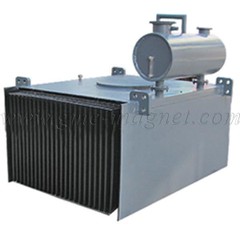
In food processing, Great Magtech has products that suit a wide range of industries, such as dry food powders, dairy products, sauces, and chemicals. Their electromagnetic separators are suitable for separating metal particles from dry products, and magnetic liquid traps and rods are suitable for separating ferromagnetic particles from liquids and semi-liquid products such as dairy products and sauces.
Commitment to Quality and Customisation
Organising in-house manufacturing, Great Magtech guarantees that every product created corresponds to the client's requirements and is of high quality. Further, the company focuses on meeting the requirements of individual food processing industries by offering consultations and customer care services after the sale of products.
Reliable Service and Support
Besides, the company provides quality products, strong customer support, on-time delivery, and full shipment tracking. Thanks to such specialists, the customers can be sure that they will receive their magnetic separators without any damage, and their equipment will work effectively to prevent the penetration of metals into the food and its products during the production process.
Conclusion
In conclusion, early detection and prevention of metal contamination are crucial for maintaining food safety and protecting your brand. Magnetic separators are a guarantee for product quality, compliance with standards, and consumer protection. The procurement of high-quality separation technologies, therefore, helps not only to guarantee business continuity but also to increase future productivity. Contact Great Magtech today for a tailored solution that meets your food safety goals.