



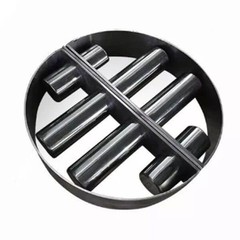
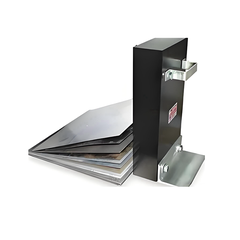


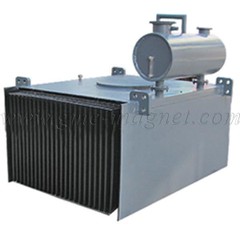

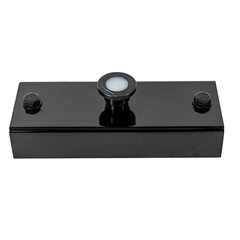



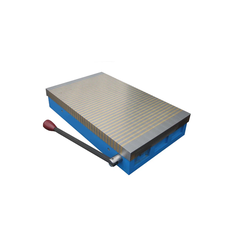


Magnetic separation is a process that uses a magnetic field to separate magnetic and non-magnetic materials. It is widely used in industries like mining, recycling, and food processing. A magnetic separator is a device designed to extract magnetic particles from a mixture of materials, ensuring the removal of magnetic contaminants and improving the purity of final products.

Importance of Dry Magnetic Separators
A dry magnetic separator is mainly used when the material does not require water for separation. Unlike wet magnetic separation, it is ideal for dry or free-flowing materials such as minerals, sand, and industrial waste. Dry magnetic separation is commonly applied in mining, ceramics, and metallurgy industries to separate magnetic minerals from non-magnetic ones, playing a crucial role in material refinement and quality improvement.
Principles of Magnetic Separation
When you explore the principles of magnetic separation, you begin to understand the crucial role that magnetism plays in isolating materials based on their magnetic properties. This process is widely used in industries such as mining, recycling, and material purification. The effectiveness of magnetic separation depends on factors like the magnetic field strength, material composition, and separator design.
Role of Magnetic Field in Separation
A magnetic field is the driving force behind the separation process. When a material is exposed to a magnetic field, its response determines whether it will be attracted, repelled, or remain unaffected. The intensity and gradient of the magnetic field significantly influence the efficiency of separation. Stronger magnetic fields are more effective at capturing weakly magnetic materials, while variations in the magnetic circuit design enhance the selectivity of separation. Your ability to manipulate the external magnetic field directly impacts how well different materials are isolated, optimizing the overall separation process.
Types of Materials Affected by Magnetism
Different materials react uniquely to magnetic fields, and understanding these differences helps you choose the appropriate separation technique.
Ferromagnetic Materials: These materials, such as iron, nickel, and cobalt, are highly susceptible to magnetism. They experience a strong attraction to the magnetic field and are easily separated.
Paramagnetic Materials: Substances like hematite and ilmenite exhibit weak magnetic properties. Although they are attracted to a magnetic field, the force is much lower compared to ferromagnetic materials. Special high-gradient magnetic separators are often required for their effective separation.
Non-Magnetic Materials: Materials such as quartz, plastic, and certain minerals do not respond to a magnetic field and remain unaffected during the separation process. They are usually discarded or processed through alternative methods.
Dry vs. Wet Magnetic Separation
Choosing between dry and wet magnetic separation depends on the material characteristics and processing requirements. Each method has its advantages and specific applications.
Dry Magnetic Separation: If you are working with materials that do not require moisture for processing, dry magnetic separation is an efficient and eco-friendly option. It minimizes water usage, reduces waste, and is particularly effective for coarse materials, such as dry minerals and metallic ores. Dry separators use permanent or electromagnetic drums to separate magnetic materials from non-magnetic ones.
Wet Magnetic Separation: When dealing with materials containing moisture or requiring water-assisted processing, wet magnetic separation is the preferred method. This technique involves submerging materials in a liquid medium, where magnetic contaminants are drawn out using wet drum separators. It is commonly used in mineral processing industries to extract iron-bearing minerals from slurries.

When you use a dry magnetic separator, you interact with several essential components that ensure the efficient separation of magnetic and non-magnetic materials. Understanding how each part functions will help you maximize the performance of your equipment and achieve the best results.
Components of a Dry Magnetic Separator
When you use a dry magnetic separator, you interact with several essential components that ensure the efficient separation of magnetic and non-magnetic materials. Understanding how each part functions will help you maximize the performance of your equipment and achieve the best results in your operations.
Magnetic Drum or Roll
At the core of your dry magnetic separator is the magnetic drum or magnetic roll, which plays a crucial role in extracting magnetic particles from the material flow. This component generates a high-intensity magnetic field that attracts and captures magnetic minerals.

As the drum rotates, it continuously moves materials through the magnetic field, pulling the magnetic particles towards its surface. The rotation helps in effectively transporting the captured particles to a designated collection area while allowing non-magnetic materials to continue moving along the conveyor.
1. If you're using a drum separator, the drum typically rotates around a fixed magnetic system, which ensures that magnetic particles adhere to its surface and are eventually dropped into the appropriate collection bin.
2. If you opt for a roll separator, you'll find that its strong magnetic field and precise design allow for even finer separation, making it ideal for applications where high-purity magnetic separation is required.
By adjusting the drum's speed and magnetic strength, you can optimize the separation process to suit different material compositions and processing requirements.
Feeding System
To ensure that your dry magnetic separator works efficiently, you need a well-designed feeding system. This system consists of a conveyor belt or a vibrating feeder that delivers the raw material to the magnetic drum at a consistent rate.
A well-regulated feeding system is essential because:
1. It prevents material clogging, which could disrupt the separation process.
2. It maintains an even distribution of material, ensuring that every particle passes through the magnetic field effectively.
3. It reduces losses of valuable magnetic minerals by allowing sufficient exposure to the magnetic forces.
If your feeding system is not properly calibrated, you may experience uneven separation, leading to reduced efficiency and increased material wastage. That's why you need to make sure the feeding mechanism is adjusted according to the characteristics of the materials being processed.
Collection Bins
After separation, the materials must be stored properly in collection bins to ensure smooth workflow and easy retrieval. Your dry magnetic separator typically has at least two bins:
1. One for the magnetic fraction, which contains the captured magnetic materials.
2. Another for the non-magnetic fraction, which consists of materials that were not influenced by the magnetic field.
The placement of these bins is critical. If they are not positioned correctly, your separated materials might mix, reducing the effectiveness of the sorting process. Proper bin alignment allows you to efficiently manage the collected materials and ensures that they can be further processed, refined, or transported to the next stage of production.
By maintaining a well-organized bin system, you improve operational efficiency and reduce the risk of contamination between the separated fractions.
Working Mechanism of a Dry Magnetic Separator
Dry magnetic separators are widely used in industrial applications to separate magnetic and non-magnetic materials. They operate without water, making them cost-effective and environmentally friendly. The process involves multiple steps to ensure efficient separation of materials based on their magnetic properties.

1. Material Feeding
The first stage in the operation of a dry magnetic separator is material feeding. You introduce the material onto a conveyor belt or a drum separator, ensuring that it is evenly spread to maximize exposure to the magnetic field. Proper distribution of the material is crucial as it enhances the separation efficiency by allowing each particle to be effectively influenced by the magnetic force.
2. Magnetic Attraction
Once the material moves through the separator, the magnetic field begins to act on the particles. Magnetic particles are attracted towards the drum or roll, while non-magnetic materials continue along the conveyor unaffected. The strength of the magnetic field, along with magnetic induction, determines the separation efficiency. Depending on their magnetic properties, materials behave differently under varying field intensities:
Strongly magnetic materials: These materials are easily attracted to the magnetic drum and adhere firmly, ensuring effective separation.
Weakly magnetic materials: These materials require a higher-intensity magnetic field to be separated effectively.
3. Separation Process
As materials continue through the separator, strongly magnetic and weakly magnetic particles are separated based on their susceptibility to the applied magnetic force. The process relies on high-gradient magnetic separation techniques, ensuring that even fine particles with weak magnetic properties are efficiently separated. The effectiveness of the separation depends on factors such as the strength of the magnetic field, particle size, and the nature of the material.
4. Material Discharge
Once separation is complete, the materials are discharged into designated bins. The magnetic materials are collected for further processing or industrial use, while non-magnetic materials continue on their designated path. This ensures a clean and effective separation process, enhancing the overall efficiency of industrial applications.
Types of Dry Magnetic Separators
There are different types of dry magnetic separators, each designed to handle specific materials and separation requirements. The selection of a suitable separator depends on the nature of the material and the required separation efficiency.
Low-Intensity Magnetic Separators (LIMS)
1. Operate at a low magnetic field strength.
2. Best suited for strongly magnetic materials like iron ore and magnetite.
3. Provide efficient separation for coarse-grained magnetic materials.
High-Intensity Magnetic Separators (HIMS)
1. Use a high-intensity magnetic field to separate weakly magnetic ores.
2. Suitable for minerals that require higher magnetic force for effective separation.
3. Often used in the extraction of minerals such as hematite and ilmenite.

Rare-Earth Magnetic Separators
1. Utilize rare-earth magnets to generate a high-gradient magnetic field.
2. Effective in separating fine magnetic particles from mineral mixtures.
3. Commonly used in industries requiring high-purity materials.
Applications of Dry Magnetic Separators
Dry magnetic separators have diverse applications across different industries, ensuring the efficient extraction and purification of materials. Some key applications include.
Mining and Mineral Processing
1. Used for the separation of magnetic ores such as iron and hematite.
2. Enhances resource extraction efficiency by improving ore purity.
Recycling Industry
1. Separates magnetic contaminants from waste materials.
2. Ensures high-purity recovered materials, enhancing recycling efficiency.
Food Processing
1. Removes magnetic particles from food products to comply with food safety regulations.
2. Ensures consumer safety and prevents contamination in food production.
Ceramic and Glass Industry
1. Purifies raw materials by removing magnetic iron contaminants.
2. Enhances the quality of ceramic and glass products by ensuring impurity-free raw materials.
Advantages and Limitations
Advantages:
1. No water is required, making it eco-friendly and reducing operational costs.
2. Low operational cost, as it eliminates the need for additional water processing.
3. Effective for dry and free-flowing materials, ensuring smooth industrial processing.
4. Enhances separation efficiency by targeting materials with different magnetic properties.
5. Large magnetic field strength ensures the capture of fine magnetic contaminants.
Limitations:
1. Not suitable for wet materials, as moisture interferes with separation efficiency.
2. May require pre-treatment to enhance efficiency, especially for weakly magnetic minerals.
3. Lower separation efficiency compared to wet magnetic separation in some cases.
Conclusion
Magnetic separators play a crucial role in various industries by efficiently separating magnetic and non-magnetic materials. Dry magnetic separation is a highly effective method for processing dry materials, offering advantages such as cost-effectiveness and environmental sustainability. However, different types of magnetic separators cater to specific applications, ensuring optimal performance in mining, recycling, food processing, and other industrial sectors. Understanding the working mechanism, types, and applications of dry magnetic separators helps in selecting the best solution for efficient material processing.