











If you are asking where the field is strongest for a magnet, the short answer is usually at its poles. In a typical bar magnet, the north and south pole areas have the most concentrated magnetic field lines, so they produce the strongest external field. However, the strongest point depends on the magnet's shape, magnetization direction, pole design, and working distance. A horseshoe magnet, pot magnet, or multipole assembly may concentrate its field in a different area. In this guide, you will learn how to identify the strongest field, measure it correctly, and apply this knowledge when selecting industrial magnets.
Where Is the Field Strongest for a Magnet?
To find the strongest part of a magnet, identify its poles and then consider the magnet's shape and working distance.
The Magnetic Field Is Strongest at the Poles
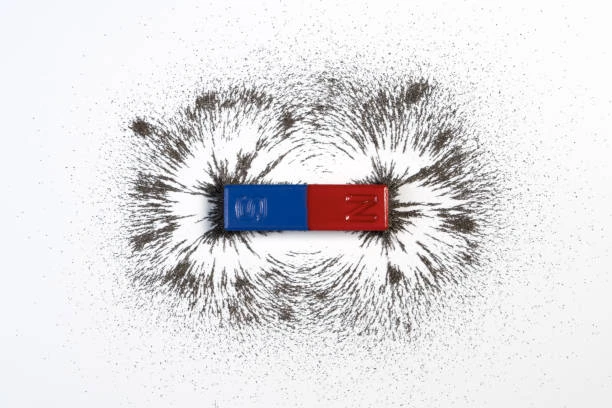
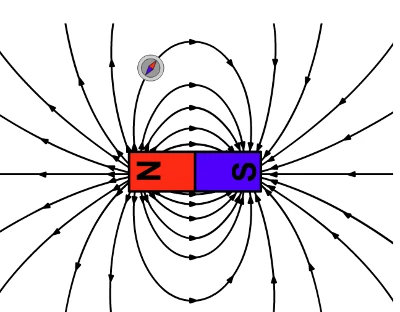
For a typical bar magnet, you will measure the highest magnetic field near the north and south poles. Field lines are most concentrated in these areas, which is why the ends attract iron objects most strongly.
Is the Magnetic Field Equally Strong at Both Poles?
In a symmetrical, evenly magnetized bar magnet, the north and south poles are generally similar in strength. Small differences can occur because of manufacturing tolerances, magnetization variation, coatings, or nearby steel components. For a specification, compare both poles under the same test conditions.
Is the Magnetic Field Strongest at the Center?
You normally will not find the strongest field at the center of a standard bar magnet. The middle section is weaker than the pole areas. However, this rule changes for horseshoe magnets, pot magnets, and multipole assemblies, where the strongest working field may be concentrated in a gap or pole face.
Where Is the Strongest Field on Different Magnet Shapes?
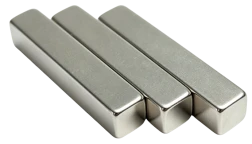
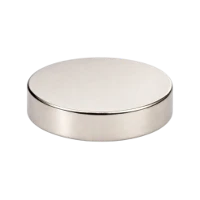
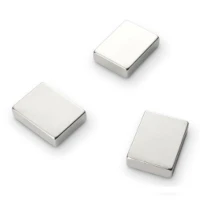
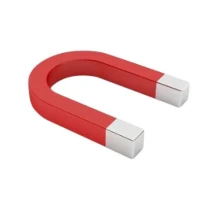
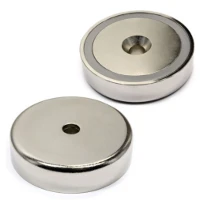
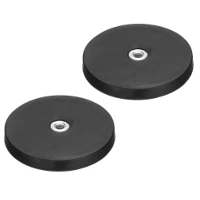
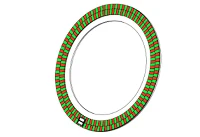
The strongest field location changes with the magnet's shape, magnetization direction, pole design, and working distance, as shown below.
|
Picture |
Magnet Shape |
Strongest Field Area |
Practical Explanation |
|
|
Bar Magnet |
Near the north and south poles |
The field is most concentrated at both ends. |
|
|
On the magnetized faces |
The exact face depends on whether it is axially or diametrically magnetized. |
|
|
|
At the designed pole faces |
The magnetization direction determines which surfaces produce the strongest field. |
|
|
|
Horseshoe Magnet |
In the gap between the two pole faces |
The U-shaped design concentrates magnetic flux across the working gap. |
|
|
At the exposed working face |
The steel casing helps direct magnetic flux toward the contact surface. |
|
|
|
At the coated contact face |
The rubber protects surfaces but also creates an additional air gap. |
|
|
|
Multipole Magnet |
Around the designed pole pattern |
Several local high-field areas may appear across the magnetized surface. |
Why Is the Magnetic Field Strongest at the Poles?
The magnetic field is strongest at the poles because this is where magnetic flux is concentrated and where the field interacts with a nearby ferromagnetic target in your application.
Magnetic Field Lines Are Concentrated at the Poles
In a field-line diagram, lines appear closest together around the north and south pole faces. This represents a higher local field than the middle of a typical bar magnet. The exact pattern also depends on the material, shape, magnetization direction, and any steel backing or pole piece.
The Magnetic Field Becomes Weaker with Distance
As you move farther from a pole, the field spreads across a larger area and becomes weaker. A small air gap caused by paint, rubber, dust, rust, or an uneven surface can reduce the field reaching your target. Therefore, measure performance at the actual working distance, not only on the magnet surface. In separators, chucks, and fixtures, air gap and target geometry can matter as much as the magnet grade under actual operating conditions.
Magnetic Field Strength vs Pull Force
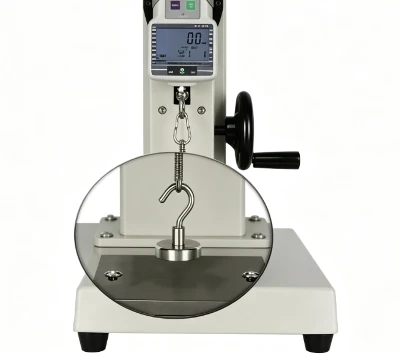
Although these measurements are related, they describe different aspects of a magnet's performance.
|
Comparison Point |
Magnetic Field Strength |
Magnetic Pull Force |
|
Meaning |
Measures the magnetic field at a specific point |
Measures the force needed to separate the magnet from steel |
|
Common Units |
Gauss (G), Tesla (T), or mT |
Newtons (N), kgf, or lbf |
|
Affected By |
Probe position, pole design, magnet shape, and distance |
Steel thickness, contact area, air gap, surface condition, and load direction |
|
Typical Use |
Checking field distribution and working-distance performance |
Evaluating lifting, clamping, and holding performance |
|
Important Note |
A high surface reading does not guarantee high holding force |
Results are valid only under defined test conditions |
How Magnetization Direction Affects the Strongest Field
Magnetization direction determines where the poles form, so it affects the location of the strongest magnetic field.
Axial Magnetization
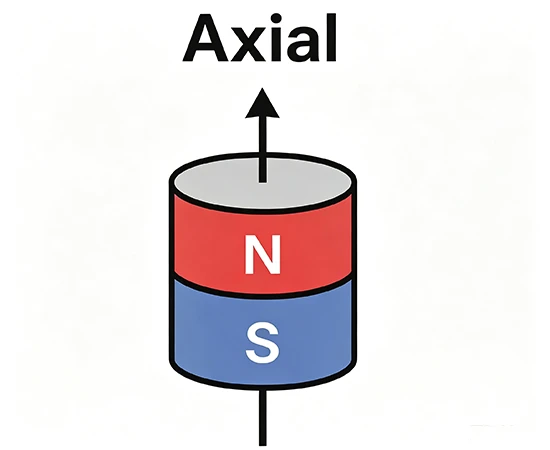
With axial magnetization, the north and south poles are on opposite flat faces along the central axis. You will find the strongest field on these faces. This format is common for disc, ring, and block magnets used in holding, sensing, and assemblies.
Diametrical Magnetization
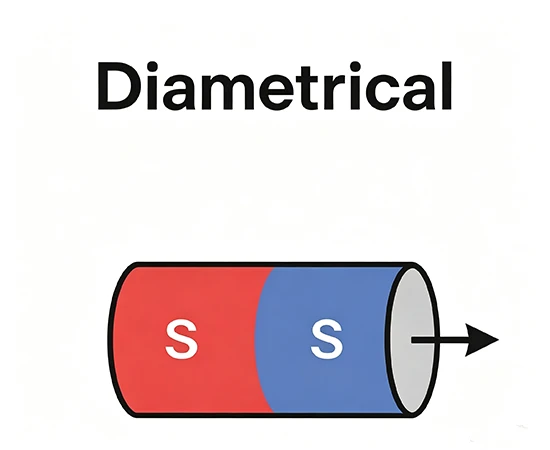
With diametrical magnetization, the poles are positioned on opposite sides across the magnet's diameter. The strongest field appears along the curved side surfaces rather than the top and bottom faces. This arrangement suits rotating components, sensors, and encoders.
Multipole Magnetization
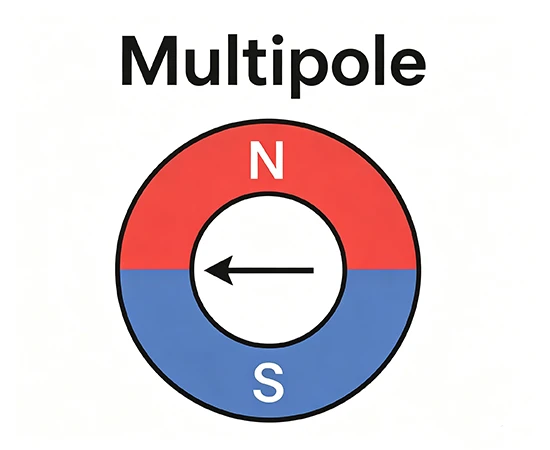
A multipole magnet has several alternating north and south poles on one surface. You can obtain a localized field pattern across the working face, but the field decreases quickly with distance. When ordering a custom magnet, specify pole spacing, magnetization direction, and measurement distance.
How to Find the Strongest Point of a Magnet
To identify the strongest point of a magnet, combine an instrument test with a visual check and measurements from your real application.
Use a Gaussmeter or Hall Probe
Use a calibrated gaussmeter or Hall probe to scan the magnet surface and working area. Mark several points, keep the probe angle and distance consistent, and record the highest reading in gauss or tesla.
Use Iron Filings for a Simple Demonstration
Place paper over the magnet and sprinkle iron filings lightly on top. The filings gather more densely where the field is concentrated. This shows the pattern, but it cannot provide a reliable strength value or replace testing.
Test the Magnet at the Actual Working Distance
Measure the field where your magnet will operate. Include the actual air gap, coating, steel target, temperature, and mounting structure. A strong surface reading may not represent the field available to your equipment.
Where Is the Strongest Field in Industrial Magnet Applications?
In industrial applications, the strongest usable field is the area interacting with your material, steel target, or sensor, not always the point with the highest surface reading.
Magnetic Separators
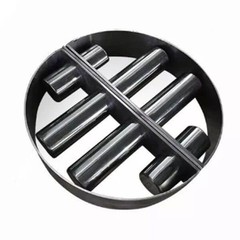
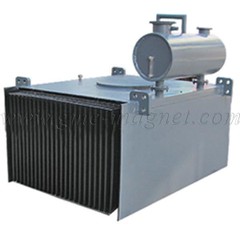
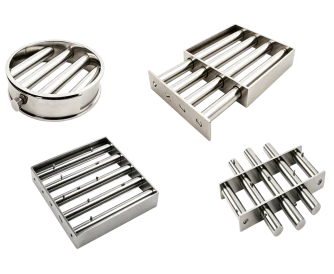
For magnetic rods, grates, drawers, traps, and suspended magnets, focus on the capture surface and material flow path. Check field strength, gradient, distance, particle size, and throughput together.
Shuttering and Formwork Magnets
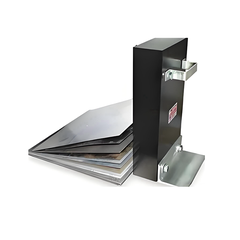
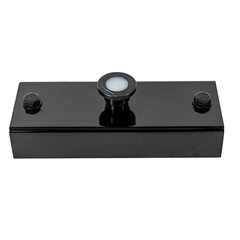
For shuttering and formwork magnets, the working field is concentrated at the contact face against the steel formwork table. Holding performance depends on contact, vibration, air gap, and steel thickness.
Magnetic Chucks, Bases, and Lifters
For magnetic chucks, bases, and lifters, the pole face touching your workpiece provides the useful holding field. Specify load direction, shear force, surface condition, and safety factor.
Neodymium Magnets and Custom Magnetic Assemblies
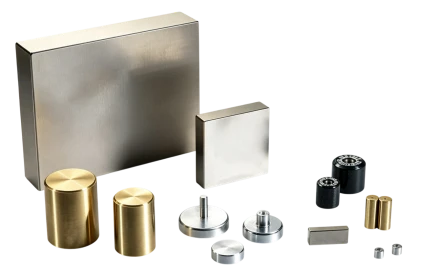
For GME neodymium magnets and custom assemblies, the strongest field depends on magnetization direction, pole layout, dimensions, and working gap. State your test location and operating conditions so GME can evaluate the design. Avoid costly redesigns with this test.
Why Choose GME Magnet for Your Application?
When you need an industrial magnet for a defined working distance or application, GME gives you access to product and manufacturing support throughout your project. With more than 11 years of experience, GME serves customers in over 30 countries. You can source neodymium and other permanent magnets, magnetic separators, formwork magnets, magnetic chucks and bases, or custom magnetic assemblies. For project requirements, GME supports cutting, grinding, coating, magnetizing, testing, and assembly. You can confirm samples before mass production and request final inspection reports before shipment. Share your drawing, operating conditions, and quantity to discuss a solution with the GME team.
Conclusion
The magnetic field of a typical bar magnet is strongest near its north and south poles. However, your actual working field depends on magnet shape, magnetization direction, pole design, air gap, steel target, and measurement distance. A surface Gauss reading alone cannot predict holding performance in a separator, formwork magnet, chuck, lifter, or custom assembly. Define where your magnet must work, test it under real conditions, and specify the result clearly. If you need help with material, dimensions, or magnetization, send GME your drawing, application details, operating conditions, and quantity for a suitable recommendation.
FAQ
Q: Is the field strongest at the north pole or south pole?
A: For a symmetrical bar magnet, both poles have approximately equal field strength. The north and south poles differ in field direction, not normally in strength.
Q: Is the center of a magnet the strongest point?
A: No. The center usually has a weaker external field than the poles. However, the exact field pattern depends on the magnet's shape, size, and magnetization direction.
Q: Where is the field strongest on a horseshoe magnet?
A: The strongest usable field is normally between the two pole faces, where the magnetic circuit creates a concentrated field across the air gap. The gap should be as small as practical.
Q: Does a stronger magnetic field mean higher pull force?
A: Not always. Pull force also depends on magnet size, pole area, air gap, contact surface, and the steel target. A surface Gauss reading alone cannot predict holding force.
Q: How can you measure the strongest point of a magnet?
A: Use a gaussmeter or Hall probe to scan the magnet's surface and working area. For practical results, measure at the same air gap and distance used in your application.
Q: Why does a magnet become weaker with distance?
A: The magnetic field spreads through space as the distance increases. Even a small air gap can significantly reduce the field reaching a steel target, lowering the available holding force.
