











Magnets power everyday products and industrial equipment, from speakers and sensors to magnetic separators, lifting systems, and wind turbines. When a magnet becomes weak, you may wonder how to make a strong magnet again without damaging the application. The right approach depends on whether you are working with a permanent magnet, an electromagnet, or a ferromagnetic part that has lost its magnetization. Temperature, material grade, coil design, air gap, and working distance all affect magnetic performance. This article focuses on practical, safe ways to increase usable magnet strength and explains when professional re-magnetization or a replacement is the better choice.
Three Ways to Make a Strong Magnet
To make a magnet stronger for your application, first decide whether you need adjustable force, stable permanent strength, or a concentrated magnetic circuit.
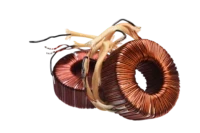
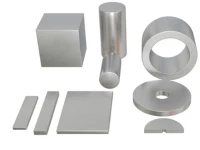
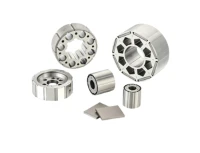
| Magnet Type | How It Produces Stronger Force | How You Can Improve It | Suitable Applications | Key Consideration |
|
Electromagnet |
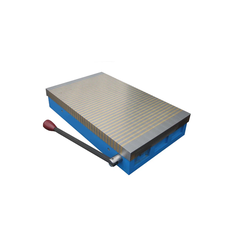
Electric current passes through a coil, while an iron core concentrates the magnetic field. | Add coil turns, control the current, use a suitable core, and reduce the air gap. | Lifting equipment, magnetic chucks, relays, and automated systems. | Higher current creates more heat, so cooling and electrical safety are important. |
|
Permanent Magnet |
Materials such as neodymium, samarium cobalt, ferrite, and Alnico retain magnetism without continuous power. | Select the right material and grade, optimize the size and shape, and choose the correct magnetization direction. | Sensors, motors, magnetic holders, separators, and compact devices. | A higher grade does not always provide higher holding force because size, gap, and target steel also matter. |
|
Magnetic Assembly |
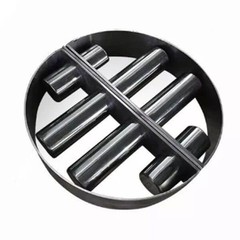
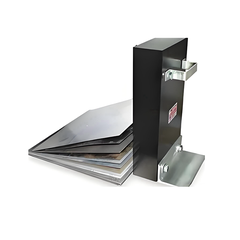
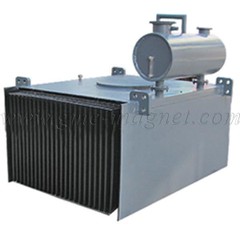
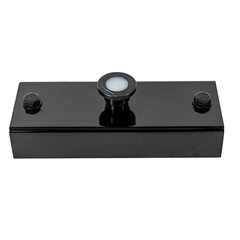
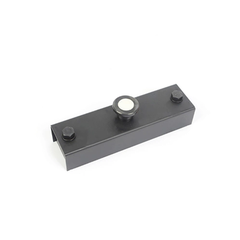
Magnets are combined with steel back plates, pole pieces, housings, or arrays to direct and concentrate magnetic flux. | Reduce flux leakage, improve pole geometry, shorten the working gap, and use a suitable magnetic circuit. | Magnetic separators, formwork magnets, lifters, chucks, and custom assemblies. | Actual performance depends on the assembly design, air gap, target material, and operating conditions. |
How to Make a Strong Electromagnet at Home
If you want to make a strong electromagnet at home, focus on the core material, coil design, power supply, air gap, and temperature rather than simply increasing the voltage.
Choose a Suitable Iron or Steel Core
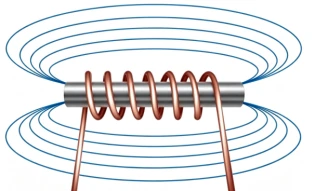
Start with a clean piece of soft iron or low-carbon steel. These materials guide magnetic flux effectively and lose most of their magnetism when the current is switched off. A solid bolt, rod, or steel bar can work for a basic test, but avoid stainless steel or hardened steel because they may not produce the same magnetic response. The core should fit inside the coil without damaging the wire insulation.
Wind Insulated Copper Wire Around the Core
Use enamel-coated or otherwise insulated copper wire and wind it tightly around the core. More turns generally produce a stronger magnetic field, provided the wire and power supply can handle the current. Keep the turns close together and make each layer neat. Do not allow bare wires to touch, as this can create a short circuit. Leave enough wire at both ends to connect the coil securely to your power source.
Use a Low-Voltage DC Power Supply
Connect the coil to a low-voltage DC supply, such as a battery pack or a current-limited laboratory power supply. Direct current creates a steady magnetic field that is easier to test and control. Increase the current gradually and observe the coil temperature. Never connect a homemade coil directly to household AC power. Excessive current can overheat the wire, damage the insulation, or create an electrical hazard.
Reduce the Air Gap
Your electromagnet will hold more strongly when the core is close to the steel target. Paint, dirt, uneven surfaces, and even a small gap can reduce the usable holding force. Keep the pole face flat and clean, and make sure the target is thick enough to carry the magnetic flux without becoming saturated.
Control Heat During Testing
Heat is one of the main limits when you make a strong electromagnet. Use short test periods, check the coil temperature regularly, and disconnect the power when the magnet is not needed. If the coil becomes too hot to touch, stop the test and allow it to cool. For repeated or industrial operation, you will need suitable wire sizing, insulation, ventilation, and possibly a dedicated cooling system.
How Are Strong Permanent Magnets Made?
A strong permanent magnet is made through several controlled steps, from choosing the material to magnetizing and testing the finished part.
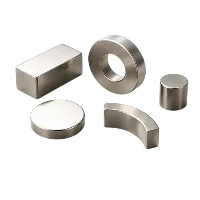
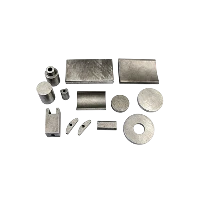
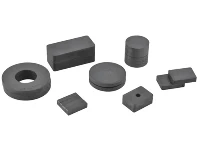
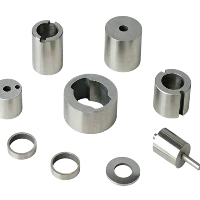
Select the Right Magnet Material
Choose the material according to your required strength, operating temperature, corrosion exposure, available space, and budget.
| Magnet Material | Strengths | Limitations | Common Applications |
|
Neodymium |
Very high magnetic strength in a compact size | Heat and corrosion require careful control | Motors, sensors, holders, and magnetic assemblies |
|
Samarium Cobalt |
Excellent temperature stability and corrosion resistance | Higher cost and brittle structure | High-temperature motors and industrial equipment |
|
Ferrite |
Cost-effective, corrosion resistant, and widely available | Lower magnetic strength than rare-earth magnets | Speakers, motors, and separators |
|
Alnico |
Good temperature performance and stable residual magnetism | Easier to demagnetize than many other materials | Sensors, meters, and specialty devices |
|
Bonded Magnets |
Flexible shapes and good dimensional accuracy | Usually lower magnetic performance | Encoders, sensors, and compact assemblies |
Choose the Magnet Grade
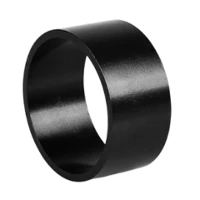
After selecting the material, choose the grade that matches your required magnetic energy and temperature conditions. For neodymium magnets, grades such as N35 or N52 indicate different maximum energy products. A higher grade does not automatically provide higher pull force because size, pole area, air gap, and target steel also affect performance.
Design the Magnet Shape and Size
Define the magnet's diameter, length, thickness, pole area, and mounting space together. A larger pole face may increase contact force, while a longer shape can provide a stronger field at a distance. Your design should also prevent thin sections and sharp corners from causing unnecessary flux leakage or mechanical weakness.
Select the Magnetization Direction
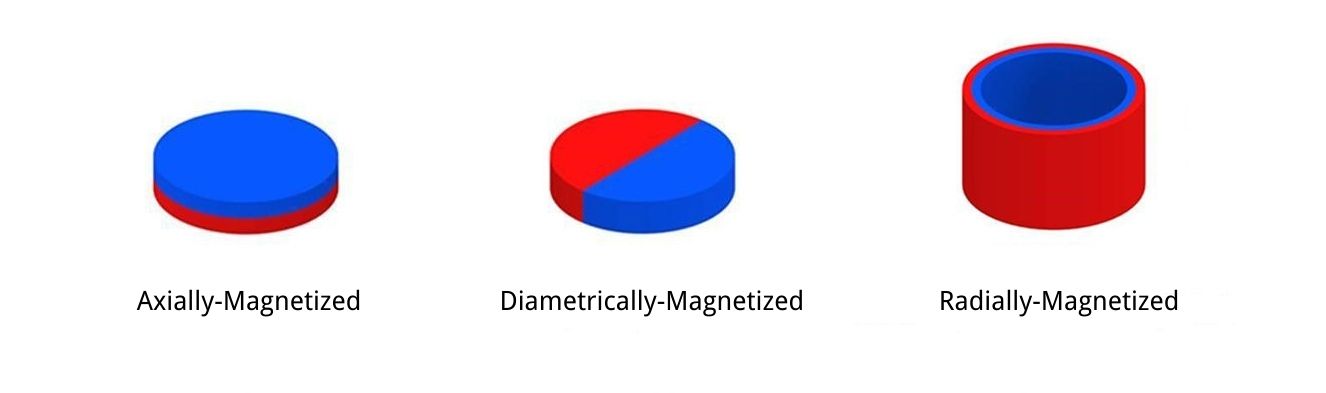
Choose axial, diametrical, radial, or multipole magnetization according to the application's magnetic circuit. The correct direction places the strongest poles where you need the working field, such as inside a motor, sensor, separator, or holding assembly.
Magnetize and Test the Finished Product
After machining and coating, the magnet is placed in a controlled magnetizing fixture. You should then check its dimensions, surface condition, magnetic output, and batch consistency. Depending on your application, testing may include Gauss, pull force, residual induction, and temperature performance. Testing samples under real working conditions helps confirm reliable production performance.
What Factors Can Make a Magnet Stronger?
When you choose or design a magnet, you must consider more than its grade because the usable magnetic force depends on the complete magnetic circuit and working conditions.
| Factor | How It Affects Magnet Strength |
| Material | Determines the magnet's basic magnetic capability, temperature resistance, and resistance to demagnetization. |
| Grade | Affects the magnet's maximum energy output and how strongly it resists losing its magnetism, along with overall performance. |
| Size | Changes the available magnetic flux and the force that can act on a target. |
| Shape | Controls flux leakage, pole area, and how efficiently the magnetic circuit works. |
| Magnetization Direction | Determines where the magnetic poles form and where the field is concentrated. |
| Air Gap | A larger gap usually reduces the usable holding force, so close contact is important. |
| Steel Target | Target material, thickness, surface condition, and permeability affect pull force. |
| Temperature | Excessive heat can temporarily or permanently reduce magnetic performance. |
| Pole Pieces | Can direct and concentrate magnetic flux toward a selected working area. |
| Magnetic Housing | A steel housing or back plate may reduce flux leakage and improve the working circuit. |
How to Make an Existing Magnet Work Better
You can often improve a magnet's usable holding force by optimizing its installation and working conditions instead of trying to change the magnet itself.
Reduce the Working Air Gap
Keep the magnet as close as possible to the steel target. Remove dirt, paint, rust, and uneven surfaces that create a gap. Even a thin non-magnetic layer can noticeably reduce holding force.
Add a Steel Back Plate or Pole Piece
A properly sized steel back plate or pole piece can redirect magnetic flux toward the working surface and reduce leakage. Make sure it fits the magnet and does not block the intended pole area.
Keep the Magnet Away from Excessive Heat
Check the magnet's maximum operating temperature before installation. Excessive heat can cause reversible or permanent loss of strength, especially in neodymium magnets. Use heat shielding or a different material when necessary.
Do Not Rely on Freezing or Hammering
Freezing a magnet does not reliably restore its original strength, while hammering or dropping it can cause cracks and demagnetization. If performance has declined, use professional re-magnetization or replace the magnet with a correctly specified product.
How Do You Measure a Strong Magnet?
To confirm whether a magnet is strong enough for your application, measure both its magnetic field and usable holding force under controlled conditions.
Measure Magnetic Field with a Gaussmeter
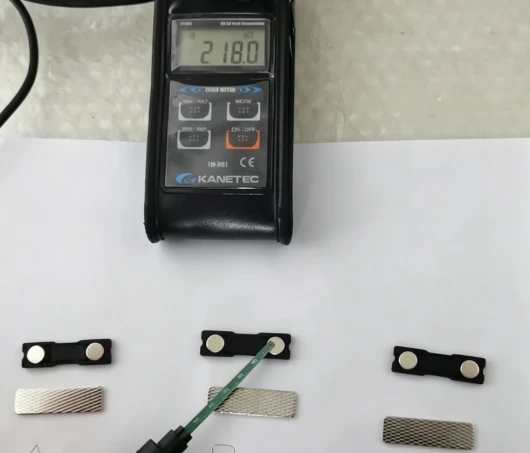
Use a gaussmeter with a Hall probe to measure the field at the magnet's pole or another specified point. Keep the probe position, angle, and temperature consistent so you can compare results accurately.
Measure Pull Force with a Pull Tester
A pull tester measures the force required to separate the magnet from a defined steel plate. For reliable results, use the same plate thickness, contact area, loading direction, and test speed. Pull force is often more useful than surface Gauss when you need to evaluate holding performance.
Why Work with GME Magnet for Strong Magnetic Solutions?
When you need a magnet that performs reliably in real working conditions, GME Magnet helps you select and develop the right solution. With more than 11 years of industrial experience and customers in over 30 countries, GME supplies neodymium, samarium cobalt, Alnico, bonded, and injection-bonded magnets. You can also source magnetic separators, chucks, lifters, formwork magnets, and custom magnetic assemblies. GME supports cutting, grinding, coating, magnetizing, testing, and assembly, with sample confirmation before mass production. Standard products, OEM/ODM projects, bulk orders, and export documentation are available for your requirements.
Conclusion
Learning how to make a strong magnet starts with identifying whether you need an electromagnet, permanent magnet, or magnetic assembly. For an electromagnet, you can improve performance with a suitable core, controlled current, more coil turns, and a smaller air gap. For permanent magnets, material, grade, shape, magnetization direction, temperature, and testing determine the result. You should evaluate pull force at the real working distance instead of relying only on surface Gauss. When the design requires consistent output, professional manufacturing and testing are safer than home experiments. GME Magnet supports material selection, customization, magnetizing, testing, and assembly for your application.
FAQ
Q: What material makes the strongest permanent magnet?
A: Neodymium is commonly selected when you need high magnetic performance in a compact size, but the best material depends on temperature, corrosion, size, and application conditions.
Q: Does adding more wire always make an electromagnet stronger?
A: No. More turns may increase the magnetic field, but resistance, current, heat, core saturation, and power supply limits must also be considered.
Q: Can a battery make a permanent magnet?
A: A battery can power an electromagnet. It does not automatically turn an ordinary iron object into a stable permanent magnet.
Q: Does freezing a magnet make it stronger?
A: No. Freezing may change temporary readings in some conditions, but it is not a reliable method for permanently increasing magnet strength.
Q: Does stacking magnets double the magnetic force?
A: Not necessarily. Stacking may improve the field in one direction, but the result depends on magnet shape, alignment, spacing, and the magnetic circuit.
Q: How do I order a strong custom magnet?
A: Provide the application, material preference, dimensions, magnetization direction, working distance, temperature, target material, required force, and estimated quantity.
