








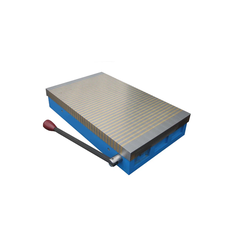


When it comes to industrial separation, choosing the right type of magnetic separator can make or break your efficiency. Dry vs wet magnetic separators are often a critical choice in industries like mining, ceramics, and pharmaceuticals. But how do you know which one is right for your application? In this guide, we'll walk you through the key factors, the advantages of each type, and help you make an informed decision based on your material properties and processing needs. Keep reading to find out!
Basic Understanding of Dry Magnetic Separators
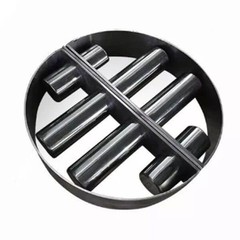
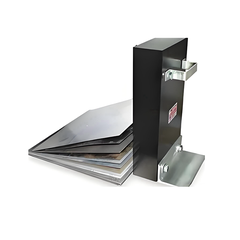
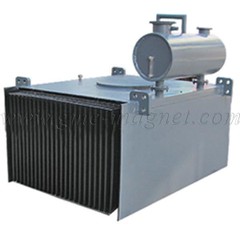
Dry magnetic separators are powerful tools used to separate magnetic materials from non-magnetic substances, primarily in dry environments. They work based on the magnetic properties of materials and are particularly effective in industries like mining, ceramics, and food processing.

How Dry Magnetic Separators Work
If you want reliable iron removal in a dry process line, you first need to understand how a dry magnetic separator "catches" metal contaminants, moves them away from the product stream, and stays clean without water.

Magnetic Field Attraction
Dry magnetic separators generate a magnetic field that attracts magnetic materials, from the non-magnetic substances. The materials are passed through the separator, and the magnetic particles are pulled towards the magnet.
Separator Design
These separators typically consist of a magnet, a conveyor belt or rotating drum, and sometimes a vibrating feeder. As materials pass over or through the magnetic field, magnetic particles are attracted to the magnet, while the non-magnetic particles fall away.
Clean and Efficient
The efficiency of dry magnetic separators comes from their ability to remove iron and other ferrous contaminants without the need for water or chemical agents. This makes them a clean, dry solution for many industries.
Advantages and Disadvantages of Dry Magnetic Separators
|
Dimension |
Advantages |
Disadvantages |
|
Feed form |
Best for dry powders, granules, flakes; no slurry required |
Not suitable for slurries / high-moisture feed; wet or sticky material can bridge/clump |
|
Process cost |
No water or chemicals → lower utilities and no wastewater system |
If dust control is strict, you may need extra sealing dust collection cost |
|
Line integration |
Easy to inline with dry process: hopper → feeder → separator → next step |
Poor flowability may require vibration consistent feeding to stay stable |
|
Operating efficiency |
Simpler process; typically fast start/stop and changeover |
For ultra-fine, agglomerating powders, separation can be less stable than wet HGMS/WHIMS |
|
Maintenance & cleaning |
Generally simpler structure; no sludge handling |
Cleaning can be more frequent depending on contamination; dusty environments require disciplined maintenance |
|
Separation performance |
Strong for tramp iron magnetic contaminants in dry feed; good for pre-cleaning |
Harder to capture very fine, weakly magnetic, or embedded contaminants; wet systems can achieve higher purity in some cases |
|
Environment & safety |
No wastewater; cleaner "dry" utilities footprint |
Higher dust combustible dust risk in relevant industries may need ATEX/explosion-proof design |
|
Typical industries |
Chemicals, ceramics, pharmaceuticals/food , some mineral powders |
High-moisture minerals, ultra-fine high-purity separation often favors wet solutions |
|
Total cost of ownership |
Often lower for dry applications |
Wrong choice can create hidden costs: poor removal rework |
Basic Understanding of Wet Magnetic Separators
Wet magnetic separators are designed to remove magnetic or weakly magnetic contaminants from slurries materials mixed with water. If your feed is already in a wet process , a wet separator often gives you more stable separation and easier handling.

What a Wet Magnetic Separator Does
You use a wet magnetic separator to capture iron-bearing particles while the material is flowing as a slurry. The goal is simple: protect downstream equipment and improve product purity. In many mineral and industrial slurry lines, wet separation is the "standard" because the fluid keeps particles dispersed and moving.
How Wet Magnetic Separation Works
Feed Enters as Slurry: Your material is pumped into the separation chamber at a controlled flow rate.
Magnetic Zone Captures Impurities: A strong magnetic field creates "collection points" where magnetic particles are pulled out of the flow.
Non-magnetic Product Exits: Clean slurry continues through the outlet while contaminants stay trapped.
Demagnetize and Flush: After the matrix loads up, the system reduces/turns off the magnetic field and uses water flow to rinse the captured iron into a discharge chute or tank.
Cycle Repeats Automatically: Many wet separators run with timed cycles so you get consistent performance without stopping the line.

Where Wet Magnetic Separators Are Commonly Used
You'll often see wet magnetic separators in:
Mineral Processing: quartz, feldspar, kaolin, silica sand, hematite, and other non-metallic minerals that need iron removal.
Ceramic and Glass Slurry Lines: where iron specks can ruin color and surface finish.
Chemical Slurries and Pigments: where purity directly affects product grade.
Recycling and Wastewater Systems: when you need to remove fine magnetic particles from liquids.
Advantages and Disadvantages of wet Magnetic Separators
|
Dimension |
Advantage |
Disadvantage |
|
Best feed condition |
Ideal for slurries, high-moisture materials, and wet process lines. |
Not suitable if your process must remain 100% dry or water cannot be introduced. |
|
Separation performance |
Often better for ultra-fine particles and weakly magnetic contaminants because flow keeps particles dispersed. |
Performance can drop if slurry is too viscous, solids % is unstable, or particle agglomeration occurs. |
|
High-gradient capability |
HGMS/WHIMS-style matrices create strong local gradients higher capture efficiency. |
Matrix can plug with sticky solids; needs proper flushing and maintenance. |
|
Process consistency |
Slurry flow improves stable feeding and uniform exposure to the magnetic zone. |
Requires stable flow rate, pressure, and slurry density; process control matters more. |
|
Contaminant discharge |
Easy to flush out captured contaminants via demagnetization rinse/backflush cycles. |
Needs valves, pumps, piping, and a controlled discharge cycle more components to manage. |
|
Utilities & operating cost |
Can be cost-effective when a wet circuit already exists. |
Higher water use, possible wastewater treatment, and more energy for pumping. |
|
Integration & footprint |
Fits well into mineral processing circuit. |
Typically larger system footprint: tank pump pipes drainage. |
|
Maintenance |
Good long-term performance when cleaning cycle is automated. |
More wear parts and maintenance point. |
The main difference between dry and wet magnetic separators
|
Factor |
Dry Magnetic Separator |
Wet Magnetic Separator |
|
Feed form |
Dry powder / granules / flakes |
Slurry / high-moisture material |
|
How separation happens |
Particles pass through a magnetic zone in air; capture depends heavily on stable feeding and dispersion. |
Particles are carried by liquid flow through a magnetic zone; flow helps keep fines dispersed for better capture. |
|
Best for particle size |
Better for coarser to medium dry material; fine powder can agglomerate and reduce efficiency. |
Often better for fine ultra-fine particles because slurry reduces dusting and improves contact with the matrix. |
|
Typical separation strength mechanism |
Magnetic field optional vibration/airflow to spread material. |
Magnetic field high-gradient matrix/media to intensify capture of weakly magnetic fines. |
|
Moisture sensitivity |
High moisture can cause bridging, clumping, unstable feeding. |
Low designed for wet feed; works naturally in wet circuits. |
|
Cleaning / discharge method |
Usually manual or semi-auto cleaning; trapped metal is removed from the collection area. |
Commonly demagnetization flushing/backwash, easy to automate for continuous cycles. |
|
Utilities required |
Minimal: electricity; no water system needed. |
More utilities: water, pumps, pipes, valves, and often drainage/waste handling. |
|
Operating cost |
Lower if you run a dry line. |
Higher if you must add a wet system; cost-effective if you already have slurry circuit. |
|
Maintenance complexity |
Simpler system but dust management may be needed. |
More components higher maintenance points. |
|
Environmental & safety |
No wastewater, but more dust/combustible dust considerations. |
Less dust, but produces wet waste/sludge that must be handled properly. |
|
Best-fit industries |
Chemicals, ceramics powders, food/pharma dry ingredients, dry mineral powders. |
Mining/minerals processing, ceramic/chemical slurries, recycling wash lines, wet beneficiation. |
Key Factors to Consider in Choosing a Magnetic Separator
Before you decide on a dry or wet magnetic separator, focus on three practical factors below because they directly determine whether you get stable removal performance or constant troubleshooting.
Material Characteristics
Start with what your material is really like: is it powder or slurry, dry-flowing or sticky, fine or coarse? Pay attention to moisture level, particle size, and how "magnetic" the contaminants ar. These basics decide which separator type can physically work.
Separation Efficiency
Next, define your target: do you need basic tramp-iron removal, or high-purity iron reduction to low ppm? The required purity, throughput, and how fine the contamination is will decide whether you need a stronger magnetic field, a high-gradient matrix, or multiple stages.
Cost and Maintenance
Finally, think beyond purchase price. Dry systems often need dust control and stable feeding, while wet systems need water, pumps, valves, and waste handling. Choose the option with the lowest total operating cost and the simplest maintenance for your line.
FAQ
Q:What's the main difference between dry and wet magnetic separators?
A:Dry separators work with powder/granules in air, while wet separators work with slurry in liquid flow. If your material is already wet or very fine, wet separation is usually more stable.
Q:Which one is better for fine materials?
A:In most cases, wet separators perform better for fine/ultra-fine particles because the slurry keeps particles dispersed and improves capture. Dry separation can work for fines too, but it's more sensitive to dust, clumping, and feeding stability.
Q:Can dry magnetic separators handle materials with moisture content?
A:A little moisture may be okay, but once material becomes sticky, clumpy, or bridges in the hopper, dry separation becomes unreliable. If you can't keep the feed free-flowing, wet separation is typically the better option.
Q:What are the maintenance costs of wet vs dry magnetic separators?
A:Dry units are usually simpler but may need attention to dust control and cleaning. Wet units have more components pumps, valves, seals, pipelines, and flushing cycles-so maintenance points are more, especially if the matrix plugs or slurry is abrasive.
Q:Is it possible to convert a wet separator into a dry one?
A:Usually not directly. Wet and dry systems are designed around different feeding, separation chambers, and discharge/cleaning methods. In practice, it's better to choose the right type from the start or select a separate model designed for dry operation.
Conclusion
Choosing between a dry and wet magnetic separator ultimately depends on your material properties and processing needs. While dry separators are best for powders and granular materials, wet separators excel in slurry conditions. Both systems have their unique advantages and challenges, and understanding your material's characteristics is crucial for making the right choice. If you're still unsure which separator suits your needs, feel free to reach out to our experts for guidance!