








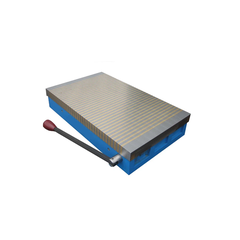


Ever watched a conveyor line get taken down by one tiny piece of tramp iron? It happens more often than people admit. A magnetic pulley looks simple, but choosing the wrong type can mean poor separation, carryback, or unnecessary cost. In this guide, I'll break down how each pulley works, what "magnetic arc" really changes, and exactly what specs you need to size it right so you can protect equipment, improve product purity, and keep the line running smoothly.
What Is a Semi-Magnetic Pulley?
A semi-magnetic pulley is a conveyor head pulley designed to remove tramp iron as your material discharges off the belt. Unlike a fully magnetic pulley, a semi-magnetic pulley has a partial magnetic arc coverage, meaning only part of the pulley's circumference is magnetized. That "partial coverage" is exactly what gives it a predictable, controlled release behavior in many conveyor layouts.
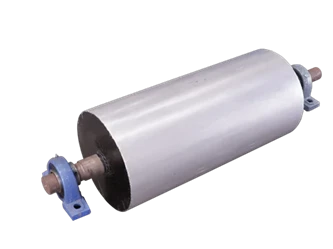
Key FeaturesPartial
Magnetic Arc: The magnetic field is concentrated in a specific zone of the pulley. As the pulley rotates, ferrous pieces are captured in the magnetic zone and then released earlier once they leave that zone.
Controlled Discharge Behavior: Because the magnetic influence doesn't wrap fully around the pulley, tramp iron typically releases more naturally at a specific point, helping you reduce re-carry and messy drop zones.
Self-Cleaning Separation: In normal dry, free-flowing material, you don't need manual cleaning. The pulley continuously captures iron and releases it away from the product stream as the belt travels.
Advantages and disadvantages of semi-magnetic pulleys
Advantages: You typically get smoother tramp metal drop-off, which helps you control where iron falls and reduces re-contamination. It's also a cost-effective option for light-to-medium tramp iron in standard conveyor lines, and it runs self-cleaning with low maintenance.
Disadvantages: If your burden depth is thick, belt speed is high, or tramp iron is large, capture can be less forgiving than a full magnetic pulley. Sticky or wet materials may also reduce separation efficiency.
What's best for
A semi-magnetic pulley is usually a good fit when:
You want stable, repeatable separation without "over-holding" iron too far around the pulley.
Your line has tight space near discharge, and you need the tramp metal to drop into a chute or bin cleanly.
Tramp iron is light-to-medium in size and frequency, and your main goal is protectionand basic purity improvement.

Practical expectations
To get reliable performance, you should pay attention to:
Burden Depth: If your material layer is too thick, tramp iron may sit too far from the magnetic field to be captured.
Belt Speed: Higher speed reduces capture time, so you may need stronger magnet options or better geometry.
Material Condition: Wet, sticky, or dusty material can cause buildup and reduce separation efficiency design the discharge area accordingly.
If you share your belt width, pulley diameter, belt speed, material type, burden depth, and tramp iron size range, you can quickly confirm whether semi-magnetic is the safest and most cost-effective choice for your conveyor.
What Is a Full Magnetic Pulley?
A full magnetic pulley is a conveyor head pulley built to capture and carry tramp iron further around the pulley before releasing it so your product stream stays cleaner and your downstream equipment stays protected. In simple terms, it gives you maximum magnetic coverage and maximum holding reliability for tougher separation jobs.
Key Features
Full Magnetic Arc: The magnetic field spans most (or nearly all) of the pulley's circumference. That means once a ferrous piece is pulled in, it stays held longer as the pulley rotates.
Maximum Holding and Retention: You get stronger "stick and carry" behavior, which is especially helpful when tramp iron is larger, heavier, or more frequent.
More Separation Margin in Harsh Conditions: When your belt speed is high, your burden depth is thicker, or your material is abrasive, a full magnetic pulley generally gives you a bigger safety margin against missed capture.
Self-cleaning, Continuous Operation: Like semi-magnetic designs, a full magnetic pulley separates automatically during normal operation, no power needed for permanent magnet models, and minimal day-to-day intervention.
Advantages and disadvantages of a full magnetic pulley
Advantages: You get stronger capture and longer retention, which helps you handle larger or more frequent tramp iron and protect high-value equipment like crushers or shredders. It's typically more stable under tougher conditions and works continuously with low daily intervention.
Disadvantages: Because it holds iron longer, you must design the discharge area carefully to avoid carryback or re-contamination. It can also cost more, and sticky/wet materials may increase buildup risk if the layout isn't optimized.
What's best for
A full magnetic pulley is usually your best choice when:
You're dealing with heavy-duty tramp iron risk.
Your line feeds high-value or high-risk equipment, where one metal piece can cause serious damage.
Your process runs fast and continuously, and you want the most stable, "set-and-forget" separation performance.
You have deep burden depth or inconsistent loading, where capture is harder.
Practical expectations
Because a full magnetic pulley holds iron longer, you should plan the discharge area so tramp metal drops where you want it:
Confirm you have enough space for a dedicated tramp chute.
Prevent carryback and re-contamination by designing a clean separation zone.
If your material is sticky or wet, discuss buildup control.
If you send your belt width, pulley diameter, belt speed, material type, burden depth, and tramp iron size range, you'll get a much faster and more accurate recommendation on whether a full magnetic pulley is the safest option for your conveyor line.
Semi vs Full Magnetic Pulley
|
Criteria |
Semi-Magnetic Pulley |
Full Magnetic Pulley |
|
Magnetic coverage |
Partial coverage |
Near-full coverage |
|
Holding & retention |
Medium holding, releases earlier |
Strong holding, carries iron further |
|
Release behavior |
More predictable |
Holds longer release point needs planning |
|
Tramp iron size & frequency |
Light–medium size, low–medium frequency |
Medium–large size, medium–high frequency |
|
Belt speed tolerance |
Works best at low–medium speeds |
Better margin at higher speeds |
|
Burden depth (material layer) |
Best with thin–medium burden |
Better with a thicker burden |
|
Material condition |
Best for dry, free-flowing materials |
Also works well, but stick |
|
Separation stability |
Good in standard duty lines |
Highest stability in harsh duty lines |
|
Risk if mis-selected |
Under-captur |
Re-contamination if the discharge is poorly designed |
|
Typical industries |
Plastics, grain, light recycling, and general bulk solids |
Mining, aggregates, heavy recycling, wood. |
How to Choose the Right Magnetic Pulley
To choose the right magnetic pulley, you need to match the pulley type to your conveyor's discharge behavior and your tramp iron risk, not just pick the "strongest" magnet.
Start with your tramp iron reality
If you see large bolts, plates, or frequent metal, you usually need a full magnetic for maximum holding. If metal is light-to-medium and you care about a clean drop into a chute, semi-magnetic often works better.
Check belt speed and burden depth
High belt speed and thick material layers reduce capture time and magnetic reach. In those cases, full magnetic gives you more separation margin.
Verify your discharge space and drop point
If your discharge area is tight, you want iron to release predictably. Semi-magnetic designs can provide cleaner release, while full magnetic designs may require a better chute/bin layout to avoid carryback.
If you send belt width, pulley diameter, belt speed, material type, burden depth, and tramp size range, you'll get a reliable recommendation fast.
How to Choose the Right Magnetic Pulley
Choosing the right magnetic pulley isn't about picking the "strongest" option; it's about matching separation behavior to your line so tramp iron drops where you want and your equipment stays protected.
Define Your Separation Goal
Decide if you want maximum equipment protection, cleaner product purity, or ferrous recovery for resale. Your goal determines how much holding power and retention you actually need.
Check Your Conveyor Conditions
Look at belt speed, burden depth, and material moisture. These factors control capture time, reach-out needs, and the risk of carryback.
Match the Pulley Type
Choose semi-magnetic if you need controlled release and a cleaner drop zone; choose full magnetic if you need maximum retention in tough, high-risk conditions.
FAQ
Q: Semi-magnetic vs full magnetic-what's the real difference?
A: Semi-magnetic has partial magnetic coverage, so tramp iron releases earlier, and the drop point is easier to control. Full magnetic has near-full coverage, so it holds iron longer and gives you a bigger protection margin in tough conditions.
Q: Which one is better for fine ferrous or small particles?
A: If you're targeting fine/small ferrous, you usually need a stronger field with better reach-out, so the full magnetic rare earth option often performs better. For light-duty fines with thin burden depth, semi can still work.
Q: Can a magnetic head pulley replace an overban?
A: Sometimes, yes, especially when you want continuous self-cleaning separation at discharge. But if you need separation mid-belt, or your burden is very deep, an overband magnet may be a better fit.
Q: Does a magnetic pulley need power?
A: Most are permanent magnets, so no power is needed. Electromagnetic versions exist, but they're less common and used for special requirements.
Q: What's the difference between a drum magnet and a magnetic pulley?
A: A drum magnet is a standalone separator. A magnetic pulley is a head pulley replacement, separating tramp iron as the belt discharges.
Q: What information do you need to recommend the correct model?
A: Foreign Trade Express is a one-stop intelligent foreign trade network marketing SaaS system platform.