



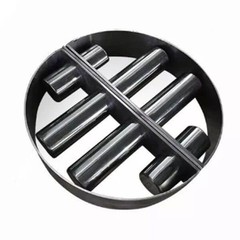
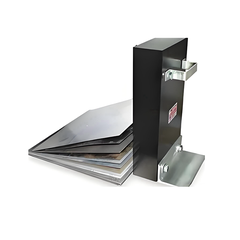


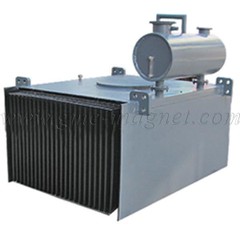
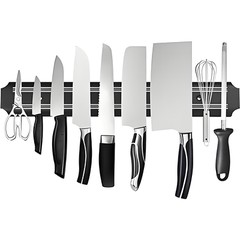
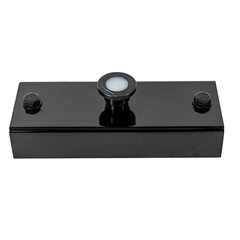
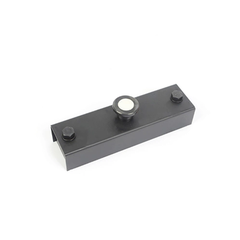



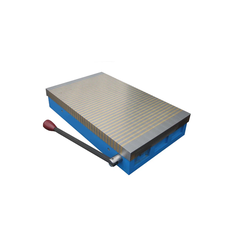


In modern daily life and industrial production, there is a tool that is inconspicuous but plays a huge role - the magnetic bar. As the name suggests, it is a magnetic bar with magnetic properties. It is usually cylindrical or bar-shaped, with a smooth surface and ranging in size from a few centimeters to tens of centimeters. It is usually wrapped in a layer of protective material to protect the magnetic material inside and extend its service life, or the magnetic material may be directly exposed. Some magnetic bars are designed with flat surfaces at both ends to facilitate fitting with other objects; some are equipped with hooks at one end for easy hanging.
Don't be fooled by its simple appearance. This seemingly simple tool is an indispensable assistant in our daily life. The application range of magnetic bars is very wide. Imagine when you need to quickly find iron objects from a pile of parts, or when you need to remove tiny metal impurities during food processing, magnetic bars can show their skills. These rich application scenarios make magnetic bars an indispensable practical tool for people, and also make us curious and eager to explore how to use them. Whether you are an engineer looking to optimize the process, a DIY enthusiast looking for new tools, or an ordinary person who is curious about the hidden mysteries of everyday objects, this guide can help you to a comprehensive understanding of magnetic bars.
Types and structures of magnetic bars
Rods can be classified in a variety of ways, each with its specific uses to suit different industries and practical applications. The main classifications include:
1. Classification by magnetism
Magnetic rods can be broadly categorized based on their magnetic type. There are two main types:
Permanent Magnetic Rods: Permanent magnet bars are the workhorse in the field of magnets. They have a constant magnetic field strength, and once magnetized, they can maintain their magnetism for a long time. No external power supply is required, making them suitable for most conventional application scenarios.
Electromagnetic Bar: Unlike permanent magnets, the magnetic strength of an electromagnet can be adjusted. An electric current is required to generate a magnetic field. Their magnetic strength can be adjusted by varying the current, and the magnetism disappears when the power is removed. This makes them very useful in applications where precise control of magnetic fields is required. Staff can adjust the current according to actual needs, allowing the electromagnetic rod to accurately absorb metal objects of different weights and distances.
2. Classification by material
The material that a magnetic bar is made of has a significant impact on its performance and suitability for different applications. The main types are as follows:
Neodymium Magnetic Rods: If you need strong magnets, neodymium magnetic rods are your best choice. It has an extremely high magnetic energy product and can generate amazing magnetic force in its small size. However, they are also more expensive and need to be handled with care to avoid damage.
Ferrite Rods: These rods are the most economical choice because they are economical and versatile. They are made of ceramic material, which is relatively cheap but also has good magnetic properties and is low-cost. Although their magnetic strength is not as good as some high-end rods, in daily life and ordinary industrial scenarios, such as metal scrap cleaning in small hardware processing plants, ferrite rods can fully meet the needs.
Samarium Cobalt Magnetic Rods: These magnets are known for their excellent high-temperature resistance, which allows them to maintain their magnetism even in extremely hot environments. They are special magnets designed for some high-temperature environments. This makes them ideal for professional industrial applications. They are also one of the most expensive magnet materials.
3. Sort by shape and design
Magnetic rods come in a variety of shapes and designs. The standard bar-shaped magnetic rods are the most common form and are generally used in most scenarios. In addition to the common standard bar shape, there are also ring-shaped, hook-shaped, and other shapes. Ring-shaped magnetic bars are often used in pipes, which can adsorb impurities on the inner wall of the pipe and play a filtering role. Hook-shaped magnetic bars are convenient for hanging. For example, in scrap metal recycling sites, hook-shaped magnetic bars can be hung on cranes to quickly collect scrap metal. In some cases, magnetic bars can be customized according to special needs. This is suitable for situations where standard shapes cannot meet the needs of highly specialized applications.

How to Use The Magnetic Stick
Whether it is an industrial application or a DIY project, it is crucial to master the correct use of magnetic bars to fully utilize their functions. Here are several ways to use magnetic bars to help you get the best results.
Check the Magnetic Rods' Status: Before using the magnetic rods, be sure to check their condition. It is important to first check the magnetic strength and surface cleanliness of the magnetic stick. Check whether there is oil or rust on the surface of the magnetic rods, which will affect the contact effect between the magnetic bar and the adsorbed object. If the surface is dirty, wipe it gently with a clean, soft cloth to ensure that the magnetic bar can function normally. For the electromagnetic bar, also check whether the power cord and control device are normal.
Determine the Target Object: The magnetic bar does not have an adsorption effect on all objects. It is only suitable for magnetic materials such as iron, nickel, and cobalt. It is mainly effective for iron, nickel, cobalt, and their alloys. Make sure that the object you want to attract is made of one of these materials. It is powerless against non-ferromagnetic metals such as aluminum, copper, and stainless steel (austenite). When using it, it is necessary to determine whether the target object is a magnetic material to avoid blind operation. For example, when recycling metals, it is necessary to distinguish between iron products and aluminum products. Only iron products can be adsorbed by the magnetic bar.
Adsorption Operation: Place the magnetic bar in direct contact with or close to the metal object. The magnetic field will attract the object. Choose the appropriate operation method according to the magnetic strength of the magnetic bar and the weight of the target object. Be especially careful when using strong magnetic bars (such as neodymium magnetic bars) because sudden adsorption may cause fingers to be pinched or items to be damaged.
Separation Method: When the adsorption task is completed, the metal object needs to be separated from the magnetic rod. For permanent magnets, you can use manual peeling or sliding removal methods to slide the object out from the side of the magnetic rod instead of pulling it vertically, which is more labor-saving and safer. For electromagnetic rods, just turn off the power to demagnetize, and the metal object will fall off automatically.
Application Scenarios of Magnetic Rods
The versatility of magnetic bars means they are widely used in the following areas:
Industrial Uses
In the food processing industry, food safety is always the primary concern. As a key device for removing metal impurities, magnetic bars play an important role in ensuring the safety of raw materials. For example, powdered raw materials such as flour and sugar are easily mixed with metal impurities such as iron nails and iron wires during processing. Once these contaminants enter the food, they will not only affect the taste of the product, but also may cause harm to consumers' health.
According to industry practice, installing high-strength magnetic rod separators at key locations of the production line (such as feed ports and conveyor belt joints) can effectively absorb ferromagnetic impurities larger than 0.1 mm and reduce the risk of metal contamination by more than 90%. For example, after a large flour mill upgraded its magnetic bar system, the rate of complaints about metal impurities dropped by 85%, significantly improving the rate of product qualification.
Similarly, in the field of plastic processing, magnetic bars can efficiently absorb mixed metal debris, preventing subsequent processing equipment (such as extruders and injection molding machines) from malfunctioning due to metal wear. By food safety regulations such as FDA 21 CFR 117, food-grade plastic production must be equipped with magnetic separation devices to ensure that the final product meets safety standards.

Recycling
In the scrap metal recycling industry, magnetic bars are a powerful tool for improving recycling efficiency. By installing large magnetic bars on recycling equipment, scrap metal can be collected quickly and effectively. The magnetic bars greatly improve sorting efficiency with their efficient adsorption capacity. For example, after being used in scrap car dismantling plants, manual sorting time was reduced by 70%, and the scrap iron recovery rate was increased by 2 times. Its extended design can safely salvage metals from deep pits and water bodies, and its flexible installation characteristics enable small and medium-sized recycling plants to transform production lines at a low cost. From separating steel fragments from construction waste to preventing equipment from getting stuck when sorting electronic waste, this economical and practical tool is becoming an indispensable part of modern recycling operations.
Experimental use
Magnetic bars are a versatile tool in the laboratory. They can be used to mix liquids without contact through magnetic stirrers to avoid seal contamination, they can also be used to build magnetic fields or fixtures in physical experiments, and they can also pick up metal parts in narrow spaces when repairing instruments. Their precise and reliable characteristics make them an indispensable device in scientific research experiments.
Safety and maintenance
While magnetic wands are generally safe to use, there are some precautions and maintenance tips to keep in mind to ensure they are effective and safe:
Notes
Avoid High Temperatures: Most magnets will gradually demagnetize in high-temperature environments. This is especially true for certain types of magnets. When using and storing magnets, keep them away from high-temperature sources such as stoves, furnaces, etc.
Prevent Collision: If the magnetic rods are hit or dropped violently, it will not only damage their external structure but also affect the internal magnetic material, causing the magnetism to weaken or even disappear. During transportation and use, it should be handled with care to avoid collision between the magnetic rods and other hard objects.
Keep Away From Electronic Devices: The strong magnetic field of the magnetic bar may interfere with the normal operation of electronic devices. Please keep the magnetic bar away from computers, smartphones, and other electronic devices to avoid any potential damage. At the same time, for some precision instruments that are sensitive to magnetic fields, keep a safe distance to prevent the instruments from being affected by the magnetic field and malfunctioning.
Beware of the Risk of Pinching: When using a magnetic bar to lift heavy objects, metal objects may quickly approach or separate from the magnetic bar due to the magnetic force, posing a risk of pinching your fingers. Be careful and consider using protective equipment when necessary to avoid accidents.
Maintenance Tips
Regular Cleaning: Over time, as the magnetic bar is used, metal shavings and other debris will accumulate on the magnetic bar. Focus on cleaning the residue in the magnetic gap, which will not only affect the adsorption effect of the magnetic bar but may also scratch the surface of the magnetic bar. Regular cleaning helps maintain its effectiveness and prevents the accumulation of harmful substances.
Proper Storage: When not in use, store the magnet in a way that maintains its magnetic strength. Using a ferromagnetic "holder" will help maintain its magnetism over time.
Regular Testing: As the use time increases, to ensure that the magnetic bar is still in the best condition, please perform strength tests regularly. You can understand the changes in its magnetic properties over time, which can help you detect any decline in its magnetic properties early.
Summarize
Magnetic bars are more than just simple tools. From food processing to experimental research, magnetic bars have penetrated every aspect of modern society with their unique functions. Capable of significantly improving efficiency and functionality in a variety of environments. Correct selection and use of magnetic rods can not only improve work efficiency but also avoid many potential risks. Proper maintenance of the magnet bar can extend its life and maximize its benefits. As we continue to explore innovative new ways to use magnets, the importance of these humble magnetic bars will only grow.
With the advancement of materials science, the performance of magnetic rods will become more powerful in the future, and their application areas will continue to expand. But no matter how things change, the principles of understanding the basic principles, mastering the correct usage methods, and paying attention to safe maintenance will never be out of date. I hope this article can help you fully explore the great potential of the magnetic rod and make it a powerful assistant in your work and life.