











Introduce:
In the fast-paced manufacturing world, the quest for precision, efficiency, and improved productivity is unending. Industries across the globe rely on innovative technologies and cutting-edge tools to meet customers' ever-increasing demands. Amidst this pursuit, one remarkable advancement has emerged as a game-changer in the manufacturing landscape: The Rise of Permanent Magnetic Chucks. These ingenious devices have revolutionized the way workpieces are securely held during machining operations, offering unparalleled benefits over their traditional counterparts.
Imagine a manufacturing process where every workpiece is held with utmost stability, ensuring precise and accurate machining. This is precisely what permanent magnetic chucks bring to the table. By harnessing the power of permanent magnets, these chucks generate a strong magnetic field that effectively secures workpieces in place, eliminating the need for clamps, vices, or other mechanical fixtures. The result? Enhanced precision, improved stability, and increased efficiency.
This blog post delves into the Rise Of Permanent Magnetic Chucks In Manufacturing, exploring their working principles, advantages, applications, and future prospects. By delving into this topic, we aim to provide readers with a comprehensive understanding of why these magnetic chucks have become indispensable tools in modern manufacturing processes.
Electromagnetic Chuck VS. Permanent Magnetic Chuck VS. Permanent Magnetic Chuck:
Now, let us embark on an illuminating journey through the realm of electromagnetic chucks, permanent magnetic chucks, and the enigmatic electro-permanent magnetic chucks.

1. Electromagnetic Chucks
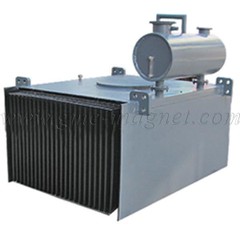
Electromagnetic chucks are work-holding devices that use electrical force to hold a workpiece. It consists of an electrode, usually made of barbed wire, which produces a magnetic field when an electric current is applied. The magnetic field attracts the workpiece and holds it securely. These chucks offer an advantage which is an adjustable holding force since the magnetic force can be controlled by varying the flow. It is mostly used in applications that require frequent replacement of materials or machining of flat surfaces.
2. Permanent Magnetic Chucks
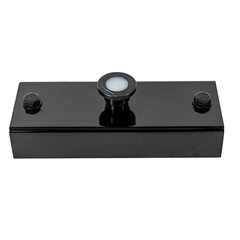
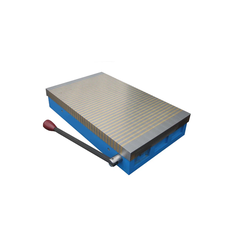
Permanent magnetic chucks, as the name suggests, have a permanent magnet embedded within them. These chucks do not require an external power source to create a magnetic field. Once the workpiece is placed on the chuck, the magnetic field is activated and holds the workpiece in place. Permanent magnetic chucks provide a constant and uniform magnetic force. They are typically used in applications where a continuous and consistent holding force is desired and where there is no need for adjustment or variation in the magnetic strength.
3. Electro-Permanent Magnetic Chucks: Fusion of the Magnetic Marvels
Electro-permanent magnetic (EPM) chucks combine the advantages of electromagnetic and permanent magnetic chucks. They have a permanent magnet with a laminated core and coil twist. When a strong electric field is used to the bend, the polarity of the permanent magnetic field of the magnetic field is reversed so that the work is magnetically attracted or stopped Once the reversal is complete, the current can be turned off, and the chuck will maintain an internal holding force. EPM chucks offer the advantages of fast activation and deactivation times, energy efficiency and holding power even in the event of a power failure.
Understanding Magnetic Chuck:
Magnetic Chuck Overview:
In the realm of manufacturing, the need for secure and reliable work-holding solutions is paramount. This requirement has led to permanent magnetic chucks' development and widespread adoption. These remarkable devices have revolutionized the way workpieces are held during machining operations, offering superior advantages over traditional clamping methods. Unlike traditional clamping methods that rely on mechanical devices, magnetic chucks utilize the power of magnetism to secure the workpiece in place.
A permanent magnetic chuck serves as a fixture used in manufacturing industries to hold ferromagnetic workpieces during machining processes securely. Unlike mechanical clamps or vises, which rely on an external force or pressure to hold the workpiece, magnetic chucks employ the power of permanent magnets to generate a strong and consistent magnetic field. This magnetic field creates a powerful attraction that firmly holds the workpiece in place, ensuring stability and precision throughout the machining operation.
Permanent magnetic chucks are designed with efficiency and versatility in mind. They can handle a broad variety of workpiece sizes and forms, making them useful for a variety of machining applications. The magnetic force generated by these chucks can be adjusted to suit different materials and machining requirements, providing the flexibility needed in diverse manufacturing processes.
Moreover, permanent magnetic chucks offer the advantage of simplicity and ease of use. They eliminate the need for complex clamping mechanisms and time-consuming adjustments, simplifying the workholding process and reducing setup time. With a magnetic chuck, manufacturers can quickly and securely mount the workpiece, allowing for seamless transitions between machining tasks and increased productivity.
Working Principle of Permanent Magnetic Chuck:
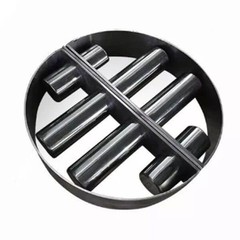
The working principles of permanent magnetic chucks involve the utilization of magnetism to securely hold ferromagnetic workpieces. These chucks consist of an array of permanent magnets arranged in a specific pattern embedded within a non-magnetic material such as steel or brass. The magnets are magnetized in a manner that creates a uniform magnetic field across the surface of the chuck.
When a ferromagnetic workpiece is placed on the chuck, the magnetic field interacts with the material's magnetic properties, resulting in attractive forces that firmly hold the workpiece in place. The magnetic field lines extend from the magnets into the workpiece, ensuring a strong grip and preventing any movement during machining operations.
To ensure optimal performance, permanent magnetic chucks are designed with precision in mind. The magnets within the chuck are carefully aligned to provide a uniform and consistent magnetic field across the entire surface. This uniformity ensures equal holding force distribution, avoiding any potential distortion or imbalances during machining.
The holding force of a permanent magnetic chuck can be modified to accommodate different workpiece sizes, shapes, and material types. This adjustability allows manufacturers to tailor the chuck's magnetic force to specific machining requirements, providing optimum grip and stability.
Moreover, permanent magnetic chucks often incorporate pole divisions or grooves on their surface. These divisions enhance the chuck's ability to hold irregularly shaped workpieces by effectively concentrating the magnetic flux and providing additional contact points. By maximizing the magnetic interaction between the chuck and the workpiece, these divisions improve stability and minimize the risk of slippage or movement.
It's important to note that permanent magnetic chucks only require an external power source during the initial magnetization process. Once magnetized, they retain their magnetic properties without the need for continuous power supply, making them highly efficient and reliable in manufacturing operations.
Additionally, some permanent magnetic chucks feature demagnetization capabilities. This feature is particularly useful when the machined workpiece needs to be safely released without residual magnetism. By reversing the magnetic field, the chuck effectively demagnetizes the workpiece, allowing easy removal.
Advantages of Magnetic Chuck:
1. Enhanced Precision and Stability
One of the primary advantages of permanent magnetic chucks is their ability to provide enhanced precision and stability during machining operations. Traditional clamping methods may introduce unwanted vibrations or imbalances, leading to inaccuracies in the final product. In contrast, magnetic chucks hold the workpiece securely in place, minimizing vibrations and ensuring stable positioning. This stability allows for precise cuts, grinds, or turns, resulting in superior accuracy and high-quality finished products. Whether it's fine details on intricate parts or achieving tight tolerances, permanent magnetic chucks offer the necessary stability for precise machining.
2. Increased Efficiency and Productivity
Permanent magnetic chucks significantly improve efficiency and productivity in manufacturing processes. Traditional clamping methods often require a time-consuming setup involving the positioning and tightening of clamps or vices. In contrast, magnetic chucks offer quick and hassle-free workpiece changes. With a simple placement of the workpiece on the chuck's surface, the strong magnetic field securely holds it in position, eliminating the need for complex setups. This seamless transition reduces setup time, increases machine utilization, and allows operators to focus on core machining tasks. The resulting efficiency gains lead to higher productivity levels and shorter lead times.
3. Versatility and Adaptability
Permanent magnetic chucks demonstrate remarkable versatility and adaptability across various manufacturing applications. They can accommodate a wide range of workpiece sizes, shapes, and material types. The adjustable magnetic force allows manufacturers to tailor the chuck's grip to suit different machining requirements. This adaptability is particularly advantageous in industries where multiple workpiece variations are common, such as automotive, aerospace, or general engineering. Whether it's holding a small, delicate component or a large, irregularly shaped workpiece, permanent magnetic chucks provide a reliable and flexible solution.
4. Cost-effectiveness and Durability
Another significant advantage of permanent magnetic chucks is their cost-effectiveness and durability. Compared to traditional clamping methods that require frequent maintenance, repairs, or replacement of mechanical fixtures, magnetic chucks offer long-term cost savings. Their sturdy construction, often incorporating robust materials like steel or brass, ensures durability and resistance to wear and tear. The absence of moving parts reduces the risk of mechanical failures and minimizes downtime for repairs. With proper care and maintenance, permanent magnetic chucks can provide reliable performance over an extended period, optimizing manufacturing operations and minimizing overall costs.
Application of Permanent Magnetic Chuck:
Machining and Metalworking Industries:
Permanent magnetic chucks find extensive usage in the machining and metalworking industries. These chucks provide a reliable and efficient workholding solution for a wide range of machining operations, including milling, grinding, drilling, and turning. Their ability to securely hold workpieces of varying shapes and sizes makes them indispensable tools in achieving precise and high-quality results.
In milling operations, permanent magnetic chucks firmly hold the workpiece, allowing for accurate material removal and surface finishing. They ensure stability and eliminate the risk of workpiece shifting or misalignment during the cutting process, enabling precise and consistent results.
Similarly, in grinding applications, permanent magnetic chucks play a crucial role in achieving tight tolerances and surface finish requirements. The magnetic grip holds the workpiece securely in place, preventing slippage or movement during the grinding process. This ensures precise and uniform material removal, resulting in high-quality finished products.
In drilling and tapping operations, permanent magnetic chucks provide stability and accuracy by firmly holding the workpiece. They enable precise hole positioning, ensuring that the drilled holes align perfectly with the intended specifications. With the workpiece securely held, operators can confidently perform drilling and tapping operations, resulting in accurate hole patterns and improved productivity.

Woodworking Industry:
Permanent magnetic chucks have also found applications in the woodworking industry. Woodworkers often utilize these chucks for tasks such as planing, routing, and jointing. The strong magnetic grip ensures a secure hold on wooden workpieces, allowing for accurate shaping, profiling, and smoothing operations.
In planing applications, permanent magnetic chucks firmly hold the workpiece in place, preventing movement and maintaining consistent pressure against the cutting tools. This results in smooth and uniform material removal, enabling woodworkers to achieve precise thickness and surface finish.
During routine operations, permanent magnetic chucks provide stability and precision, allowing woodworkers to create intricate patterns, shapes, and profiles. The secure hold on the workpiece ensures accurate cutting, enhancing the overall quality of the finished product.
Where wood pieces are joined together in jointing operations, permanent magnetic chucks assist in maintaining precise alignment and flatness. The magnetic grip ensures that the workpieces remain securely held, allowing woodworkers to achieve seamless joints and minimize inaccuracies.
Inspection and Quality Control:
Permanent magnetic chucks also find applications in inspection and quality control processes. These chucks facilitate the precise measurement of workpieces and aid in detecting any defects or irregularities.
During an inspection, permanent magnetic chucks securely hold the workpiece, allowing for accurate measurements using precision measuring tools such as calipers, micrometers, or coordinate measuring machines (CMMs). The stable workholding provided by magnetic chucks ensures consistent and repeatable measurements, enabling manufacturers to assess dimensional accuracy and verify compliance with strict quality standards.
Moreover, permanent magnetic chucks assist in quality control by facilitating the detection of defects or irregularities in workpieces. By securely holding the workpiece, operators can conduct visual inspections or non-destructive testing methods such as magnetic particle inspection. Any anomalies, such as cracks, inclusions, or surface imperfections, become more apparent when the workpiece is securely held, allowing for effective quality control and assurance.
Application of Magnetic chuck in CNC Machine Industry
1. Milling and Machining: In the spirited dance of milling and machining operations, magnetic chucks take center stage, providing unwavering support to workpieces. They conquer vibrations, ensuring accurate cuts and meticulous shaping, unveiling flawless surface finishes and impeccable dimensional accuracy.
2. Grinding: Magnetic chucks assert their dominance in the realm of surface grinding, gripping workpieces firmly to eliminate the risk of movement or distortion. With their steadfast grip, they lay the foundation for precise grinding operations, a realm where perfection is etched into every surface.
3. EDM (Electrical Discharge Machining): Embarking on the path of Electrical Discharge Machining, magnetic chucks embrace the role of guardians, providing a stable and secure platform for the workpiece. With their unwavering positioning and stability, they enable accurate material removal, allowing sparks of brilliance to shape the future.
4. Inspection and Metrology: Magnetic chucks extend their allure into the realm of inspection and metrology, offering a reliable and stable platform for meticulous analysis. By serving as steadfast foundations, they enable precise measurement and inspection, nurturing a culture of quality control and unrivaled craftsmanship.

Other Industries and Applications:
Beyond traditional machining, metalworking, and woodworking industries, permanent magnetic chucks find applications in various other sectors. For instance, in the electronics industry, these chucks are utilized during precision assembly processes, ensuring accurate placement and alignment of delicate electronic components.
In the automotive industry, permanent magnetic chucks aid in the manufacturing of engine parts, transmission components, and other critical automotive components. The secure work holding provided by these chucks enables precise machining and assembly, contributing to the overall quality and performance of automotive products.
Additionally, permanent magnetic chucks have gained traction in emerging industries such as additive manufacturing and 3D printing. These chucks can securely hold complex and irregularly shaped workpieces, allowing for precise machining and post-processing of 3D-printed parts. By enabling accurate material removal, support structure removal, or surface finishing, these chucks unlock new possibilities for enhanced productivity and quality in additive manufacturing processes.
In the medical industry, permanent magnetic chucks are employed in the manufacturing of surgical instruments, implants, and medical devices. The precise workholding offered by these chucks ensures accurate machining and assembly, meeting the stringent requirements for medical applications.
Furthermore, permanent magnetic chucks have applications in the fabrication of aerospace components, tool and die-making mold making, and various other manufacturing sectors where precision, stability, and efficiency are paramount.
Future Prospects And Innovation:
1. Advancements in Magnetic Chuck Design
The future of permanent magnetic chucks lies in continuous advancements in their design and functionality. Manufacturers are investing in research and development to enhance the performance and efficiency of these chucks. One area of focus is the integration of intelligent control systems. By incorporating sensors and feedback mechanisms, magnetic chucks can dynamically adjust their magnetic force based on real-time measurements, ensuring optimal workpiece stability and precision. This integration of smart technology will further enhance the capabilities and adaptability of permanent magnetic chucks.
Furthermore, advancements in magnetic materials are driving innovation in magnetic chuck design. New materials with higher magnetic properties and improved stability are being developed, enabling chucks to generate stronger and more consistent magnetic fields. These advancements will contribute to enhanced holding forces, improved workpiece stability, and expanded applications across a wider range of materials and machining processes.
2. Integration with Automation and Robotics
As the manufacturing industry moves towards automation and robotics, the integration of permanent magnetic chucks with these technologies holds great potential. Magnetic chucks can be seamlessly incorporated into automated production lines, allowing for efficient and precise workpiece handling. This integration eliminates the need for manual intervention in workholding processes, reducing human error and increasing overall efficiency.
With the advancement of robotic systems, permanent magnetic chucks can work in tandem with robots to perform complex machining tasks. The ability to securely hold workpieces while the robot performs intricate operations opens up new possibilities for increased productivity and expanded capabilities. Manufacturers can envision a future where robots and magnetic chucks collaborate seamlessly, maximizing precision, efficiency, and output in manufacturing processes.
3. Emerging Industries and Applications
As new industries and technologies continue to evolve, permanent magnetic chucks are finding novel applications beyond traditional manufacturing sectors. For instance, in the field of additive manufacturing, also known as 3D printing, these chucks play a crucial role. Additive manufacturing often involves the layer-by-layer deposition of materials, and magnetic chucks can securely hold the workpiece throughout the printing process, ensuring precise alignment and minimizing the risk of distortion.
In addition, the rise of advanced composite materials in aerospace, automotive, and other industries presents opportunities for the utilization of permanent magnetic chucks. These chucks can effectively hold composite workpieces, enabling precise machining and shaping. As the demand for lightweight and high-strength components increases, the compatibility of permanent magnetic chucks with composite materials positions them as valuable tools for these emerging industries.
4. Environmental Considerations
As sustainability becomes an increasingly important factor in manufacturing, the environmental impact of magnetic chucks is a topic of interest. Manufacturers are exploring ways to reduce the use of rare earth magnets, which are commonly used in permanent magnetic chucks. Efforts are underway to develop alternative, more sustainable, environmentally friendly magnetic materials without compromising performance. This focus on eco-friendly solutions aligns with the broader sustainability goals of industries worldwide.
Conclusion:
The rise of permanent magnetic chucks in manufacturing signifies a significant advancement in workholding technology. With their enhanced precision, stability, and adaptability, these chucks have already proven their value in various industries. However, the journey doesn't end here. The future holds even more exciting prospects as advancements in magnetic chuck design, integration with automation and robotics, exploration of new applications, and environmental considerations continue to shape the evolution of these essential tools. Manufacturers can look forward to a future where permanent magnetic chucks further enhance efficiency, productivity, and the overall quality of manufacturing processes, ensuring continued success in the rapidly evolving industrial landscape.