










Neodymium magnets are known for their strong magnetic force in a compact size, which is why they are widely used in motors, sensors, magnetic assemblies, holding systems, and industrial equipment. But their strength is not only about the material itself. It also depends on magnet grade, size, shape, coating, magnetization direction, working temperature, and how the magnet is used in your application. If you are choosing a magnet for an OEM product or industrial project, understanding why neodymium magnets are so strong can help you avoid wrong selection, reduce cost, and improve performance. In this guide, you will learn what makes neodymium magnets powerful and how to choose the right solution for your real working conditions.
What Are Neodymium Magnets?
Neodymium magnets, also called NdFeB magnets or rare earth magnets, are powerful permanent magnets made mainly from neodymium, iron, and boron. They are a good choice when you need strong magnetic force in a small space. Compared with many traditional magnets, they can provide higher holding power without making your product too large or heavy. You can find them in motors, sensors, magnetic assemblies, pot magnets, holding systems, magnetic separators, consumer products, and industrial equipment. When you choose a neodymium magnet, you should not only look at strength. Size, shape, coating, magnetization direction, and working environment also affect the final performance in your application.
Why Are Neodymium Magnets So Strong?
Neodymium magnets are strong because their material structure, magnetic energy, and resistance to demagnetization work together to create a high magnetic force in a compact size.
Powerful NdFeB Material Structure
Neodymium magnets are made from neodymium, iron, and boron. This NdFeB structure helps create a strong and stable magnetic field. For your application, this means you can often use a smaller magnet while still achieving strong holding or attraction performance.
High Magnetic Energy Product
Magnetic energy product shows how much magnetic energy a magnet can store. Neodymium magnets have a high energy product, so they can deliver a stronger force than many traditional magnet materials of the same size.
High Coercivity and Demagnetization Resistance
Coercivity means the magnet's ability to resist losing magnetism. Good neodymium magnets can keep stable performance under normal working conditions, but temperature and environment still need to be checked.
Strong Magnetic Force in a Small Size
This is why neodymium magnets are widely used in motors, sensors, pot magnets, magnetic assemblies, and industrial holding systems where space is limited but a strong force is required.
Neodymium Magnets vs Other Magnet Materials
Different magnet materials have different strengths, costs, temperature resistance, and best-use applications, so comparing them helps you choose the right magnet instead of only choosing the strongest one.
|
Magnet Type |
Strength |
Temperature Resistance |
Cost |
Best For |
|
Neodymium Magnets |
Very high |
Medium, depends on grade |
Medium to high |
Compact strong force applications |
|
Ferrite Magnets |
Medium to low |
Good |
Low |
Cost-sensitive and large-volume use |
|
Alnico Magnets |
Medium |
Very good |
Medium |
High-temperature sensors and instruments |
|
SmCo Magnets |
High |
Excellent |
High |
High-temperature and demanding applications |

Neodymium Magnets

Ferrite Magnets

Alnico Magnets

SmCo Magnets
What Factors Affect Neodymium Magnet Strength?
Neodymium magnet strength is not decided by grade alone; it is affected by material, size, shape, magnetization, surface contact, coating, and working environment.
Magnet Grade
Magnet grade, such as N35, N42, or N52, shows the magnetic performance of the material. In general, a higher number means stronger magnetic energy. However, the highest grade is not always the best choice. You also need to consider cost, temperature resistance, size, and safety.

Magnet Size and Shape
A larger or thicker magnet usually provides a stronger holding force, but shape also matters. Disc, block, ring, cylinder, arc, and countersunk magnets create different magnetic fields. You should choose the shape based on how the magnet will be assembled and used.

Magnetization Direction
Magnetization direction decides where the magnetic poles are located. Axial, diametrical, radial, or custom magnetization can change how the magnet works in your product. If this is wrong, the magnet may not perform as expected.

Working Gap and Contact Surface
Air gaps, coatings, plastic layers, uneven surfaces, or thin steel plates can reduce real holding force. For best performance, the magnet should contact a clean, flat, and suitable ferromagnetic surface.
Coating and Corrosion Protection
Neodymium magnets can corrode if not protected. Nickel, zinc, epoxy, or rubber coating can help protect the magnet and improve service life in different environments.
Temperature Conditions
High temperature may reduce magnetic performance. Before choosing a magnet, you should confirm the working temperature and select the right grade for stable use.
Common Applications of Strong Neodymium Magnets
Strong neodymium magnets are used in many industries because they provide high magnetic force in a compact size, helping you save space while improving holding, motion, sensing, or separation performance.
Industrial Magnetic Assemblies
Neodymium magnets are widely used in pot magnets, rubber-coated magnets, mounting magnets, magnetic hooks, and holding assemblies. If you need strong fixing power for equipment, tools, displays, or metal structures, neodymium magnetic assemblies can give you reliable holding force with a compact design.
Motors and Automation
In motors, sensors, encoders, and automation systems, neodymium magnets help create strong magnetic fields in limited space. This makes them useful when your product needs better efficiency, a smaller size, or more stable motion control.
Magnetic Separation Equipment
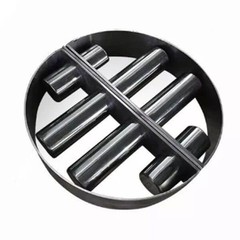
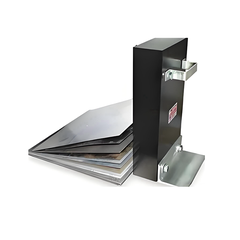
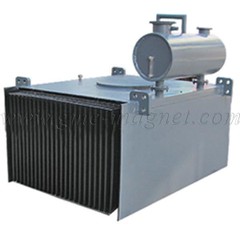
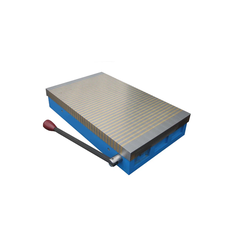
Neodymium magnets are often used in magnetic bars, drawer magnets, hopper magnets, magnetic traps, and rotary magnetic separators. They help remove fine iron particles from powder, granules, liquids, plastics, food ingredients, and other materials.
Precast Concrete and Formwork Systems
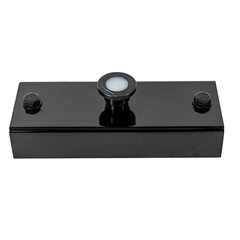
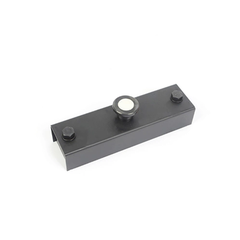
In precast concrete production, strong neodymium magnets are used in shuttering magnets, magnetic chamfers, and formwork fixing systems. They help you position molds quickly, reduce welding or drilling, and improve production efficiency.
Consumer and Commercial Products
You can also find neodymium magnets in packaging boxes, furniture, doors, displays, tools, speakers, and magnetic fasteners. For these applications, the right coating, size, and holding force are important for safe and long-term use.

Are Stronger Neodymium Magnets Always Better?
Stronger neodymium magnets are not always better for your application. A higher grade, such as N52, can provide a stronger magnetic force, but it may also increase cost, handling difficulty, and safety risks. In some designs, too much magnetic force can make assembly harder, damage nearby parts, or create problems during installation. You also need to consider working temperature, coating, corrosion resistance, magnetization direction, and actual contact conditions. For example, a lower-grade magnet with the right size, coating, and structure may perform better than a stronger magnet used in the wrong environment. The best choice is not the strongest magnet, but the magnet that matches your force, cost, safety, and application requirements.
How to Choose the Right Neodymium Magnet
Choosing the right neodymium magnet starts with your real application, because the best magnet should match your force, space, environment, safety, and cost requirements.
Define Your Application First
Before choosing a magnet, you should confirm how it will be used. Is it for holding, fixing, sensing, motor use, magnetic separation, or a custom assembly? Different applications need different magnetic designs.
Confirm Required Holding Force
Do not choose only by magnet size or grade. You should know the required pull force, working gap, steel contact surface, and load direction. These factors can greatly affect real performance.
Choose the Right Shape and Size
Disc, block, ring, cylinder, countersunk, and arc magnets are used in different structures. The right size and shape help your product fit better and work more reliably.
Select the Suitable Grade
Grades such as N35, N42, and N52 offer different magnetic strengths. A higher grade may be stronger, but it may not always be the most cost-effective choice.
Match the Coating to the Environment
Nickel, zinc, epoxy, or rubber coating can protect the magnet from corrosion, wear, or moisture.
Check Temperature and Safety Requirements
If your magnet works in high temperatures, vibration, or sensitive equipment, you should confirm the correct temperature grade and safe handling method before ordering.
FAQ
Q: Are neodymium magnets the strongest magnets?
A: Yes, neodymium magnets are generally considered the strongest commercially available permanent magnets, especially when high force is needed in a compact size.
Q: Is N52 always better than N35 or N42?
A: Not always. N52 has higher magnetic performance, but N35 or N42 may be more suitable if your project needs lower cost, better handling, or a different temperature grade.
Q: Why does the same neodymium magnet show different pull force?
A: Actual pull force depends on size, surface contact, steel thickness, air gap, coating, magnetization direction, and testing conditions.
Q: Do neodymium magnets lose strength over time?
A: Under normal working conditions, they can keep stable magnetic performance for a long time. However, high temperature, corrosion, impact, or improper use may reduce performance.
Q: Can neodymium magnets be used outdoors?
A: Yes, but they need a suitable coating or protective assembly design because NdFeB magnets are prone to corrosion in humid or harsh environments.
Q: Can GME customize strong neodymium magnets?
A: Yes. GME can support custom sizes, shapes, grades, coatings, magnetization directions, and magnetic assembly solutions based on your application or drawing.
Conclusion
Neodymium magnets are strong because of their NdFeB material structure, high magnetic energy product, high coercivity, and excellent force-to-size ratio. However, choosing the right magnet is not only about selecting the highest grade. You also need to consider size, shape, coating, temperature, magnetization direction, safety, and real working conditions. If you are developing an OEM product, magnetic assembly, holding system, separator, or precast concrete magnet solution, GME can help review your requirements and recommend a suitable neodymium magnet solution.