










Equipment that automatically collects and stores high-performance materials includes a magnetic trap. It collects ferrous particulates, contaminants, and other substances from different machines, thereby avoiding the destruction of valuable equipment. In mining, iron ore production, food processing, and other industries, product purity is of the utmost importance, and machinery should be well protected; this can only be achieved with the help of a magnetic trap, hence its importance cannot be undermined.
Controlling contamination in an industrial production setting is an absolute necessity, and often, magnetic traps are employed to assist in risk mitigation. Particle contamination, even in minute amounts, can undermine the integrity of the final product, increase operational inefficiency, and even damage equipment, ultimately resulting in huge financial losses. They are instrumental in helping to avoid machinery damage, as they collect ferrous materials before they reach the asset. They make an excellent addition to a manufacturing facility, as they help maintain strict production filters and boost efficiency.

Determining the Function of Magnetic Traps
The magnetic trap is an integral piece of equipment for the industries that handle operations that run the risk of becoming contaminated with metals. Their main purpose is to retrieve metallic contaminants from production lines to avoid damage to the tools used as well as ensure the integrity of the final product. The requirement for trapping magnetically stems from the metallic scrap that is generated while processing the raw materials, the wear and tear of the equipment, or other sources.
The use of magnets is not purely a question of keeping things tidy; it is also necessary to meet and comply with certain laws and policies that govern a region, as well as preserve the product. As it turns out, companies engaged in the production of pharmaceuticals, food and beverage, and even mining rely on constructing stringent measures and achieving the quality standards set by the government. Failing to manage the magnetic traps and stray pieces of iron might render a product unsafe and thus cause financial loss, negative publicity, and possible lawsuits to the company.
An Explanation of How Magnetic Traps Work
At the center of a magnetic trap's efficiency is, of course, its ability to produce a magnetic field. Such a magnetic field captures ferrous particles while the production line is in motion. The idea is quite simple; magnets are positioned in a housing unit where material flows through or over. During this process, the magnets prevent ferrous contaminants from entering equipment located downstream, as well as the final packaging of the product.
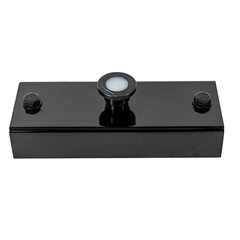
In traps that provide stronger magnetic fields, the design includes either rare-earth or ceramic magnets. There are, however, certain environments that require stronger magnets; in such cases, rare-earth magnets have proven to be efficient. The role of a trap is to isolate magnetic rods or grids in a single unit, which increases the surface area and therefore improves the efficiency of capture. Finally, to improve a trap's efficiency, it is paramount that its positioning within the process flow is in the correct place.
The efficiency of a magnetic trap is dependent on several criteria, such as the material being processed, the quantity and size of ferrous debris, and the strength of the magnetic field. Periodic maintenance, including cleaning and inspection, guarantees that the trap functions efficiently for a long time. When properly selected and designed for a specific task, magnetic traps produce better net outcomes, enhanced safety, and long-term cost efficiencies.
Ways in Which Magnets Can Be Trapped and Their Various Applications
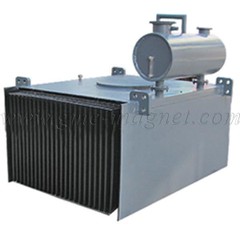
Magnetic traps come in many designs used for different applications. The nature of the product being processed, the flow rate, and the amount of contamination available are some of the factors that determine the type of trap to be used. Knowing about such differences allows manufacturers to tune up their production lines for more effective and safer operations.
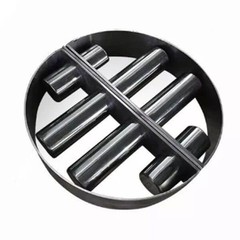
One of the most common types of magnetic tube or rod-type traps is best suited for flowable granular and liquid materials. These rods are very potent magnets that catch and retain ferrous impurities from materials that flow over. Food and beverage manufacturing and processing sectors are this design's main customers, as it is used for decontaminating powders and beverages.
Another advanced configuration of a magnetic trap consists of a magnetic grid or drawer system. These configurations enable multiple parallel magnetic bars to be placed in the material flow and improve capture efficiency. The selection of a type of magnetic trap should be driven by the requirements of a particular industry and the level of concentration of the contamination.
Most Magnetic Trap Types
Magnetic Rods and Tubes: Best Applicable To Soiled Liquids And Granulars
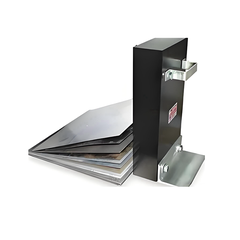
Plate Magnetic Traps: For Use Where The Presence Of Larger Ferrous Materials Is Anticipated
Magnetic Grids And Drawers: Where Volume Reduction, Hopper Loading, and Bulk Processing Systems Are Used.
Magnetic Trap Industrial Applications
Magnetic traps are used in many industries where freedom from contamination is necessary. By preventing metal debris contamination, product quality is improved, and maintenance and equipment repair costs are lowered.
Magnetic traps play a significant role in safeguarding health standards in the food and beverage sector. They eliminate the risk of metals contaminating flour, sugar, dairy, and beverage products, thus protecting the end user. Adhering to food hygiene standards set by authorities such as the FDA or the European Food Safety Authority is another advantage.
The use of magnetic traps is significant for the mining industry as well, where these traps assist in the cleaning of raw materials before they are fed into the equipment and machinery downstream. Due to the high costs associated with repairing or replacing mining equipment, investing in a magnetic trap pays off by providing substantial operational cost retention and efficiency in the long run.
Chemicals and pharmaceutical manufacturers have a similar use for magnetic traps – they aid in avoiding contamination of chemicals with metallic particles during chemical synthesis or medication. In these industries where precision is crucial, even the tiniest contaminant can have a considerable adverse effect.
The Economic Advantage of Magnetic Traps Includes Certain Industries
Food and Drink: Ensures consumer safety by guaranteeing that all trends and regulations are observed.
Minerals and Mining: Offers protection against loss of expensive equipment while increasing the quality of the materials being worked on.
Pharmaceuticals: Ensures the products are safe for use and maintains their integrity during the precise manufacturing processes.
How to Choose a Strong, Reliable Trap for Your Business?
Choosing the most effective magnetic trap is fundamental in such a way that it goes a long way in ensuring appropriate control of contamination as well as protecting the machine parts. Such decisions, however, require multiple variables to be included when making the choice, including the type of material being worked on and the size of the ferrous particles, amongst others.
A critical variable in this regard is the trap's strength. It should be noted that rare earth magnets, such as neodymium magnets, are excellent earth magnets and are ideal to be used in high pollution settings, while ceramic magnets are less powerful than both neodymium and rare earth magnets, although they may suffice in cases where applications are less stringent due to their cost-effectiveness.
The flow rate of the material is another critical consideration. High-flow processes require a magnetic trap with a larger surface area or a mass of magnetic elements. Traps unable to accommodate the material displacement by volume will cause clogged filters, which will reduce efficiency.
Choosing the Right Magnetic Trap for Your Business
Choosing the right type of magnetic trap will enhance the quality of your product, lengthen the lifetime of your equipment, and improve efficiency. While the use of magnetic traps is crucial for the majority of industry sectors, using the wrong type may underperform or be excessive, resulting in undesired costs.
The type of materials being processed should be first on the list of factors to take into account. Liquids and granules that move freely are best suited with the help of magnetic rods or tube traps. These traps perform extremely well in removing tiny ferrous particles. At the same time, larger magnetic plate traps, with a larger magnetic area, are more effective at trapping larger products and systems with larger particles.
One factor of a magnetic trap that is of key importance is the strength of the magnet. Rare-earth magnets like neodymium are an excellent option for heavy-duty industrial applications where the removal of even the smallest metal particles is needed. Otherwise, for operations that are not as demanding, a ceramic magnet is a good choice.

Important Guidelines for Choosing a Magnetic Trap
Material – liquid, powder, or bulk determines the type of trap.
Magnetic Strength – rare earth magnets for heavy-duty applications, ceramic magnets for basic applications.
Maintenance Needs – look for a magnetic trap that has a maintenance-free design to reduce any downtime.
Maintenance Issues and Best Practices of Magnetic Traps
To ensure peak performance of magnetic traps, proper maintenance must be observed. Even the simplest and least intricate designs still require some maintenance at the bare minimum to operate at optimal levels. Neglecting this responsibility may result in the loss of operational efficiency, and potential replacement costs may be high.
The best way to go about maintenance is to start with regular cleaning. Over extended periods, ferrous particles can attract additional contaminants. The schedules for industrial cleaning should correspond with the volume of materials being processed through the machines. Cleaner, advanced trap cleaning has been made easier by the addition of quick-release mechanisms, while more robust traps do not have this feature.
The last part that requires attention in cleaning and inspection is the documentation of these activities. This documentation enables business enterprises to predict any further maintenance needs and allows facilities to address issues before they escalate into larger concerns.
Best Care Guidelines for the Maintenance of Magnetic Traps
Cleaning Frequency: Avoid accumulation of ferrous particles, and thereby maintain efficacy.
Magnetic Strength Testing: Find out if the Gauss meters are still accurate for the magnet strength.
Record Keeping: There is a pattern of performance that comes with cleaning and inspection documentation, which helps in tracking potential losses.
Conclusion
For industries that deal with the maintenance of product quality and their equipment being long-lasting, magnetic traps are one of their dependable tools. These units are ideal for such applications because they efficiently shield industrial equipment from weld spatter, chips, and other contaminants, thus increasing the efficiency of the products. It is also essential to know how the magnetic traps function, the types of magnetic traps, and the factors that should be considered when picking the correct magnetic traps to ensure their efficiency. On the other hand, the unit is well maintained, and best practices are followed, which will preserve this efficiency and prevent costly breakdowns to ensure uninterrupted operation.
The tools and materials that are to be used should be thought about since the work that is being carried out will be of a specific sort. For those companies that wish to maximize their performance, along with staying within the compliance norms and criteria, having the correct magnetic trap and regular maintenance is essential. The correct magnetic traps ensure safety while also reducing costs.