








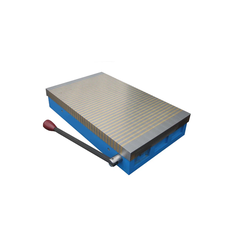


When it comes to selecting materials for precision applications, one common question arises: Is bronze magnetic? Understanding the magnetic properties of bronze is crucial for industries like electronics, manufacturing, and marine engineering. In this article, we'll dive into the science behind bronze's magnetic behavior, explore when it may exhibit weak magnetism, and explain why this matters for your projects. Let's uncover the truth about bronze and how its unique properties impact your material choices!
What Is Bronze Made Of?
To fully understand whether bronze is magnetic, it's essential to know what this alloy is composed of and how its unique elements shape its properties. Bronze is primarily made of copper and tin, but additional elements can be mixed in to enhance its characteristics.
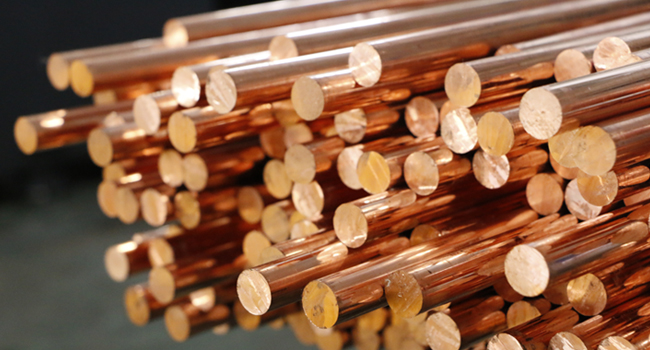
Key Components of Bronze Alloys
Bronze consists mainly of copper (80-95%) and tin (5-12%). Other elements like aluminum, phosphorus, and nickel can also be added depending on the desired properties of the final product.
How the Alloy Composition Affects Bronze's Properties
The specific ratio of copper and tin, along with any additional elements, determines the alloy's hardness, corrosion resistance, and machinability. While these factors influence its strength and durability, they also impact how bronze interacts with magnetic fields.
Is Bronze Magnetic?
So, is bronze magnetic? While it might seem like an important question for various applications, the answer is generally clear: bronze is non‑magnetic. Let's explore why this is the case and when, if ever, bronze might exhibit some magnetic properties.

Why Bronze Is Generally Non‑Magnetic
Bronze, primarily composed of copper and tin, does not have the atomic structure necessary for magnetism. Copper is diamagnetic, and tin is paramagnetic, but neither has the strong, lasting magnetic properties that iron does. This is why, in most cases, bronze won't attract magnets.
Magnetic Properties of Different Bronze Alloys
However, some bronze alloys may show weak magnetic properties if they contain iron, nickel, or cobalt. These alloys can be slightly magnetic, but it's important to note that most bronze used in industries remains non‑magnetic due to its composition.
When Can Bronze Show Magnetic Behavior?
Although bronze is generally non‑magnetic, there are specific situations where it may exhibit some magnetic behavior. Let's dive into the factors that can make bronze act differently when it comes to magnetism.
The Role of Alloying Elements in Magnetic Behavior
Certain bronze alloys may show weak magnetic properties when they contain iron, nickel, or cobalt. These elements have stronger magnetic properties, which can slightly alter the alloy's overall behavior. For example, aluminum bronze, which may contain iron, can be slightly magnetic, depending on the composition.
Contamination and Magnetic Behavior
Bronze can also show magnetic behavior if it's contaminated with ferrous materials. During manufacturing or machining processes, small amounts of iron or steel can mix with the bronze, causing a magnetic reaction. In such cases, the bronze isn't inherently magnetic; it's the contamination that's responsible.
Applications of Bronze and the Importance of Its Magnetic Properties
Understanding whether bronze is magnetic is crucial for determining its applications. Its unique properties make it ideal for specific industries, especially where magnetism can be a concern.
Bronze in Precision Instruments and Electronics
Bronze's non‑magnetic nature is highly valued in precision instruments and electronics. Because it doesn't interfere with magnetic fields, it's used in components like electrical connectors, sensors, and circuit boards. This ensures that the sensitive equipment functions without disruption, maintaining accuracy and reliability.
Why Non‑Magnetic Properties Matter in Industrial Manufacturing
In industrial settings, non‑magnetic materials like bronze are essential for parts exposed to high‑precision machinery, marine environments, and aerospace applications. The absence of magnetism in bronze prevents magnetic interference, ensuring smooth operation and avoiding damage to sensitive equipment. Whether it's for bearings or valves, the non‑magnetic properties of bronze are crucial for both performance and longevity.
How to Test if Bronze Is Magnetic
Testing if bronze is magnetic can help identify the material quickly and efficiently, especially when you're working with various metal alloys in a project. Let's explore the easiest way to test bronze's magnetic properties and why it's important.
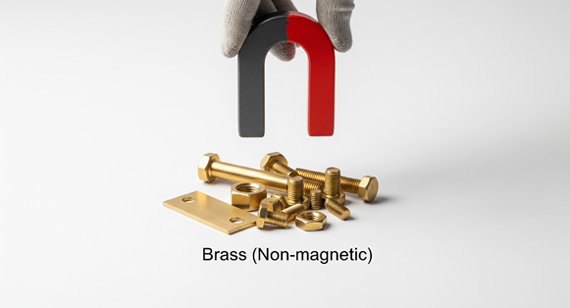
Simple Magnet Test for Identification
One of the simplest ways to test if bronze is magnetic is by using a strong magnet. Hold the magnet near the metal and observe its reaction:
If the magnet sticks or shows any attraction, the material contains magnetic elements like iron, nickel, or cobalt.
If there is no attraction, you can be confident that the bronze is non‑magnetic.
This quick test is effective for distinguishing bronze from ferrous metals that contain iron and exhibit stronger magnetic behaviors.
Why Testing Is Important for Material Selection
Testing is crucial when selecting materials for specific applications, especially in industries like electronics, aerospace, and marine engineering, where magnetic interference can affect performance. By conducting a simple magnet test, you ensure that the bronze used in your components is fit for its intended use, preventing potential problems like signal distortion or malfunction due to unwanted magnetic properties.
Conclusion
In conclusion, while bronze is generally non‑magnetic due to its copper and tin composition, certain alloys containing added elements such as iron or nickel can exhibit slight magnetic behavior. Understanding these properties is essential for choosing the right materials for your projects, especially in fields like electronics, precision instruments, and industrial manufacturing. By conducting a simple magnet test, you can easily identify whether bronze is the right material for your needs. If you're looking for high‑quality, non‑magnetic bronze components, don't hesitate to reach out to us for expert guidance and product recommendations!
FAQ
Q: Is all bronze non‑magnetic?
A: While most bronze alloys are non‑magnetic, some can exhibit weak magnetic properties if they contain elements like iron, nickel, or cobalt.
Q: Can I use a magnet to test bronze?
A: Yes! A simple magnet test can help you determine if bronze is magnetic. If the magnet sticks, it likely contains ferrous material.
Q: Why is it important for bronze to be non‑magnetic?
A: Non‑magnetic bronze is crucial in applications where magnetic interference could affect the performance of sensitive equipment, such as electronics and precision instruments.
Q: What should I do if I suspect my bronze has magnetic properties?
A: Perform a magnet test. If there is an attraction, check the alloy composition or contamination to confirm if it's the cause.