











Magnetic separators are a crucial element in industrial operations, preventing damage to equipment and ensuring material purity. Choosing between permanent and electro overband magnets can be daunting. This article dives into the differences, key selection factors, and industry-specific applications, giving you the insights you need to make the right decision! Whether you're in mining, recycling, or bulk material handling, selecting the appropriate overband magnet will optimize your operations and save you money. Ready to dive in? Let's go!
What Is a Permanent Overband Magnet Separation?
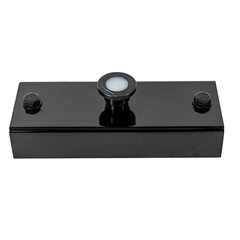
A Permanent Overband Magnet Separation uses a fixed magnetic material to generate a powerful, constant magnetic field without the need for electrical power. It's designed to be mounted over a conveyor belt to remove ferrous contaminants from bulk materials. This type of magnet is highly effective in situations where continuous separation is needed and where electrical connections are either inconvenient or unavailable.

Key Features of Permanent Overband Magnets Separation
Energy-Free Operation: Permanent magnets generate their magnetic field without the need for electricity. This makes them energy-efficient and ideal for applications where power supply is limited or unavailable.
Low Maintenance: Since there are no electrical components, permanent overband magnets separation require minimal maintenance. There's no need to worry about power supply failures or the upkeep of electrical parts.
Durability: Permanent magnets are designed to last for many years, even in tough environments. Their ability to withstand high temperatures and extreme conditions makes them suitable for various industries, including recycling, quarrying, and food processing.
Cost-Effective: The lack of electrical requirements and minimal maintenance costs makes permanent magnets a cost-effective solution for long-term use.
Advantages and Disadvantages of Permanent Overband Magnets Separation
|
Feature |
Advantages |
Disadvantages |
|
Operating Principle |
No electricity required, energy-efficient |
Limited magnetic strength, not suitable for heavy contamination |
|
Maintenance |
Low maintenance, no electrical components to worry about |
Requires occasional cleaning and belt adjustments |
|
Energy Efficiency |
Energy-free operation, reduces ongoing energy costs |
Not adjustable; cannot provide stronger magnetic fields when needed |
|
Durability |
Very durable in tough conditions, designed for long-term use |
Limited by its fixed magnetic strength and range |
|
Cost |
Lower initial cost, cost-effective for long-term use |
May require larger size or more units for handling heavier materials |
|
Flexibility |
Simple and reliable, ideal for constant, steady operations |
Not ideal for dynamic or rapidly changing operating conditions |
|
Environmental Suitability |
Works well in harsh environments with limited or no power supply |
May not be effective in very deep or densely contaminated material |
|
Suitability for Light to Medium Contamination |
Excellent for light to moderate ferrous contamination |
Not effective for heavy ferrous or large metal particles |
|
Typical Applications |
Food processing, light recycling, small-scale mining, sand/gravel |
Not suitable for heavy-duty industrial operations requiring high-intensity magnetic fields |
|
Installation |
Simple installation, no need for external power supply |
Requires larger installation space for high-capacity applications |
Applications of Permanent Overband Magnets Separation

Recycling Plants: Used to separate metal contaminants from materials like scrap metal, plastics, and paper.
Quarrying and Mining: Permanent magnets protect crushers and other machinery from ferrous damage by removing tramp iron from aggregates and ores.
Food Processing: Ensures product purity by removing metallic contaminants from raw materials like grains, spices, and sugars.
What Is an Electro Overband Magnet Separation?
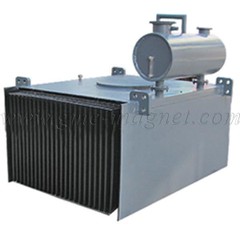
An Electro Overband Magnet uses an electrical current to generate a magnetic field, which can be turned on or off depending on the application needs. These magnets are powered by electricity, making them stronger and more adjustable compared to permanent magnets. Electro overband magnets are ideal for applications that require a powerful magnetic field to remove ferrous contaminants, especially when dealing with large, heavy, or deep contaminants.
Key Features of Electro Overband Magnets Separation
Adjustable Magnetic Strength: One of the biggest advantages of electro magnets is their adjustable magnetic strength. You can control the intensity of the magnetic field, making it suitable for a variety of material types and contamination levels.
High Pulling Force: Electro overband magnets can produce a much stronger magnetic field than permanent magnets. This allows them to remove larger and heavier ferrous contaminants.
On/Off Control: Electro magnets can be activated and deactivated at will, allowing for greater flexibility in processing operations. You can isolate the magnet when needed and easily switch it off during non-ferrous material processing.
Efficient for Heavy Contamination: They are especially effective in environments where there is heavy or deep contamination, such as in mining and steel mills.
Advantages and Disadvantages of Electro Overband Magnets Separation
|
Feature |
Advantages |
Disadvantages |
|
Operating Principle |
Generates a magnetic field through an electric current, with adjustable strength |
Requires a power supply, increasing operational costs |
|
Magnetic Strength |
Strong magnetic force, ideal for handling heavy contamination and deeply embedded materials |
Requires regular maintenance of electrical components |
|
Energy Efficiency |
Adjustable magnetic strength allows for optimized energy consumption |
Higher power consumption, not suitable for energy-conscious applications |
|
Maintenance Requirements |
Electrical components require periodic maintenance |
Maintenance is more complex due to electrical components |
|
Flexibility |
Adjustable magnetic field, adaptable to various contamination levels and material types |
Magnetic field adjustments are not as flexible as permanent magnets, and requires constant power supply |
|
Environmental Suitability |
Magnetic strength can be adjusted, ideal for varied environments and types of contamination |
Requires stable power supply and may need additional cooling systems in harsh environments |
|
Suitability for Heavy Contamination |
Excellent at removing large metal debris and deeply embedded ferrous materials |
Less effective for light contamination compared to permanent magnets |
|
Installation Requirements |
Flexible installation, suitable for various conveyor systems and processing setups |
Requires careful installation with power supply and cooling systems, which can complicate setup |
|
Typical Applications |
Mining, steel mills, heavy waste recycling, bulk material handling industries |
Not suitable for areas with unstable power supply |
|
Cost |
Provides stronger magnetic fields and higher separation efficiency, ideal for demanding applications |
Higher initial investment, operational and maintenance costs are also higher |
Applications of Electro Overband Magnets Separation
Heavy Industry: Used to remove heavy tramp iron from materials like coal, gravel, and iron ore.

Recycling & Waste Management: Ideal for removing large ferrous metals in scrap yards and recycling plants, ensuring clean separation of materials.
Wood Processing & Biomass: Protects processing equipment by removing ferrous particles from wood, wood chips, and other biomass materials.
Agriculture: Helps prevent contamination in agricultural product processing by removing metal debris from raw materials such as grains and animal feed.
Permanent vs Electro Overband Magnets Separation – Core Differences

When choosing the right overband magnet for your application, understanding the core differences between permanent and electro overband magnets separation is essential.
Magnetic Strength and Flexibility
Permanent magnets offer a steady, unchanging magnetic field, ideal for moderate contamination, while electro magnets provide adjustable magnetic strength, allowing them to handle heavier contamination or deeper material layers.
Energy Requirements
Permanent overband magnets separation operate without electricity, making them energy-efficient. In contrast, electro magnets require a constant power supply, which can increase energy consumption but offers greater control over magnetic force.
Maintenance and Durability
Permanent magnets are low-maintenance, with no electrical components to worry about, while electro magnets require regular checks of electrical components, adding to their maintenance needs.
Cost Considerations
Permanent magnets have a lower initial investment and operating costs. Electro magnets, while providing stronger performance, come with higher upfront and operational costs due to their need for electricity and maintenance.
How to Select the Right Overband Magnet for Your Application
Choosing between a permanent or electro overband magnet depends on various factors, including the material type, contamination level, and operational needs.
Consider the Contamination Type
If you're dealing with light to medium ferrous contamination, a permanent magnet may be sufficient. However, if the contamination is heavy or deeply embedded, an electro overband magnet separation would be a better choice for its stronger magnetic field.
Evaluate Your Energy and Maintenance Needs
If energy efficiency and minimal maintenance are your priorities, permanent magnets are the way to go. For applications requiring adjustable magnetic force, electro magnets provide the flexibility to handle different contamination levels.
FAQ
Q:Can a Permanent Overband Magnet Handle Heavy Contamination?
A: Permanent magnets are ideal for light to medium ferrous contamination. For heavy or deeply embedded contaminants, an electro magnet would be more effective due to its stronger magnetic force.
Q:Do Electro Overband Magnets Separation Require Regular Maintenance?
A: Yes, electro overband magnets require periodic maintenance of their electrical components, such as coils and power supply. Permanent magnets, on the other hand, require minimal maintenance.
Q:Which Magnet Is More Energy-Efficient?
A: Permanent overband magnets separation are more energy-efficient because they do not require a power supply, whereas electro overband magnets separation need electricity to generate a magnetic field, which increases energy consumption.
Q:Are Electro Magnets More Expensive Than Permanent Magnets?
A: Yes, electro magnets typically have a higher initial cost and ongoing operational costs due to their power requirements and more complex maintenance needs. Permanent magnets are more cost-effective for light contamination applications.
Conclusion
Choosing the right overband magnet depends on your specific application needs. If you're handling light to medium contamination and need a low-maintenance, energy-efficient solution, permanent magnets are the way to go. However, for heavy or deep contamination, electro overband magnets separation offer adjustable magnetic strength and are more suitable for demanding environments. Consider your operational requirements, energy needs, and contamination levels to make the best choice for your business. Need expert advice? Contact us today for a tailored recommendation and a free quote!