











Titanium is often described as a "non-magnetic metal," but is this truly the case in real life?
I frequently see this question raised: from jewelry buyers testing rings with magnets, to engineers selecting materials for high-precision environments, to patients concerned about the safety of magnetic resonance imaging (MRI).
So, let's clear up this confusion once and for all.
In this guide, I will explain in detail whether titanium is magnetic, why magnet tests can be misleading, how titanium compares to stainless steel, and what factors are truly important in practical applications.

Titanium Magnetic or Non-Magnetic?
If you're asking whether titanium is magnetic, the short and practical answer is no, titanium is generally considered non-magnetic. In everyday use, a normal magnet will not stick to titanium the way it does to iron or carbon steel. That's because titanium is not ferromagnetic, meaning it doesn't produce a strong magnetic attraction or retain magnetism.
However, this can feel not very clear in real life. You may notice a slight response with a strong magnet, or observe attraction caused by iron contamination on the surface, rather than the titanium itself. So, if you're testing materials, remember: a lack of magnetic pull is normal for titanium, not a defect or a fake.
Why Titanium Is Considered Non-Magnetic
To really understand why titanium behaves the way it does around magnets, you first need to know how different types of magnetism work in metals.
Understanding Magnetic Material Types
Ferromagnetic materials, such as iron and carbon steel, are strongly attracted to magnets. You'll see an immediate and obvious pull, and these materials can stay magnetized.

Paramagnetic materials show only a very weak attraction. Titanium falls into this category, so in normal conditions, you won't notice any magnetic pull at all.

Diamagnetic materials create a very slight repulsion instead. In practice, this effect is so small that it's rarely noticeable outside of laboratory settings.

Understanding these differences helps you interpret magnet tests correctly and avoid common identification mistakes.
Where Titanium Fits on the Magnetic Spectrum
Titanium sits in the paramagnetic range. That means when you test it, you won't see a noticeable magnetic pull. It doesn't hold magnetism, and it won't interfere with magnetic fields in normal applications, which is why it's treated as non-magnetic in engineering and industry.
Pure Titanium vs Titanium Alloys - Does Grade Matter?
When you're checking whether titanium is magnetic, the specific grade does matter-but not in the way many people expect.
Commercially Pure Titanium
Commercially pure titanium (Grade 1 or Grade 2) is considered non-magnetic in practical use. If you test it with a standard magnet, you won't see attraction. This is why pure titanium is widely used in medical, chemical, and aerospace applications where magnetic interference must be avoided.
Titanium Alloys
Common alloys like Grade 5 (Ti-6Al-4V) are also treated as non-magnetic. Although alloying elements slightly change the material structure, they do not create meaningful magnetic attraction in real-world conditions.
Can Processing or Heat Treatment Change Magnetism?
Machining, welding, or heat treatment won't make titanium magnetic. What can confuse you is steel contamination from tools or chips, which may cause a magnet to react to the surface, not the titanium itself.
|
Aspect |
Commercially Pure Titanium (Grade 1 / Grade 2) |
Titanium Alloy (Grade 5 / Ti-6Al-4V) |
|
Material Type |
High-purity titanium |
Titanium alloyed with aluminum and vanadium |
|
Reaction to a Magnet |
No noticeable attraction |
No noticeable attraction |
|
Ferromagnetic |
No |
No |
|
Engineering Classification |
Non-magnetic |
Non-magnetic |
|
Behavior in Strong Magnetic Fields |
Extremely weak, not perceptible |
Extremely weak, not perceptible |
|
Will a Magnet Stick? |
No |
No |
|
Retains Magnetism |
No |
No |
|
Typical Applications |
Medical, chemical, precision components |
Aerospace, structural parts, medical devices |
|
Becomes Magnetic After Machining |
No |
No |
|
Common Reasons for Confusion |
Surface iron contamination |
Surface iron contamination or mixed materials |
Common Reasons for Confusion
If you've tested a "titanium" item with a magnet and felt some attraction, don't jump to conclusions. In most cases, the magnet is revealing something else, not the titanium itself.
It's Actually Stainless Steel, Not Titanium
This is the most common reason. Many stainless steels look very similar to titanium but are weakly magnetic. If a magnet sticks, especially with noticeable force, the item is likely stainless steel rather than titanium.
Ferrous Contamination on the Surface
In workshops or factories, titanium parts often pick up tiny steel particles from cutting tools, grinding dust, or chips. A magnet reacts to this contamination, making it seem like the titanium is magnetic when it's not.
Mixed or Composite Structures
Some products use titanium only on the outside. Internal cores, springs, or fasteners may be made from steel, causing magnetic attraction in certain areas.
Why Magnet Tests Are Not Always Reliable
A magnet test is quick, but it's not definitive. Strong magnets, lightweight parts, or surface contamination can all give misleading results.
Titanium vs Stainless Steel - Which Is More Magnetic?
If you're comparing titanium and stainless steel, stainless steel is usually more magnetic, but it depends on the grade.
Magnetic Differences Explained Simply
Titanium is considered non-magnetic in everyday use and won't stick to a magnet. Stainless steel, however, comes in many grades. Some types are strongly magnetic, while others are only weakly magnetic, which is why confusion often happens during testing.
Practical Identification Tips
If a magnet clearly sticks, the part is likely stainless steel. If there's little to no attraction, it may be titanium or a non-magnetic stainless grade. For accurate identification, you should also consider weight, corrosion resistance, and supplier documentation rather than relying on a magnet test alone.
|
Feature |
Titanium |
Stainless Steel |
|
Magnetic Behavior |
Generally non-magnetic |
Depends on the grade |
|
Reaction to a Magnet |
Little to no attraction |
Some grades attract magnets |
|
Ferromagnetic |
No |
Some grades yes |
|
Common Source of Confusion |
Surface iron or steel contamination |
Appearance similar to titanium |
|
Relative Weight |
Lighter |
Heavier |
|
Corrosion Resistance |
Excellent |
Good, grade-dependent |
|
MRI / Medical Suitability |
Widely used, low magnetic risk |
Must be grade-specific |
|
Reliability of Magnet Test |
Not reliable on its own |
Only a rough indicator |
|
Typical Applications |
Medical, aerospace, chemical |
Structural, mechanical parts |
Is Titanium Safe in MRI and Strong Magnetic Fields?
If you're worried about titanium around strong magnetic fields, especially MRI machines, you're not alone.

Titanium Implants and Medical Safety
Titanium is widely used in medical implants because it is non-ferromagnetic. That means it isn't strongly attracted to magnetic fields and does not move or heat up the way iron-based metals can. In most cases, titanium implants are considered safe in MRI environments and rarely cause image distortion or safety issues.
Why Medical Screening Is Still Required
Even so, you should always follow medical screening procedures before an MRI. Not all implants are pure titanium, and designs, coatings, or nearby components can vary. Screening ensures your specific implant is safe under the scanner's magnetic strength and protects both you and the equipment.
Practical Engineering Insight: Do Magnets Matter in Titanium Processing?
If you work with titanium in real production environments, you may wonder whether magnets have any practical value at all.
Why Magnets Don't Attract Titanium Chips
Titanium chips and swarf are non-ferromagnetic, so magnets won't pull them out of a material stream or coolant system. If you try, you'll notice almost no response. This is normal and doesn't mean the material is incorrect; it's simply how titanium behaves.
Why Magnetic Separation Is Still Used in Titanium Workshops
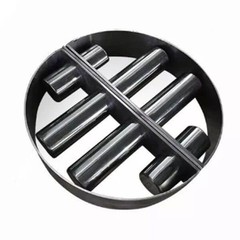
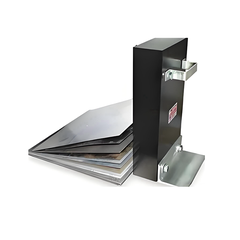
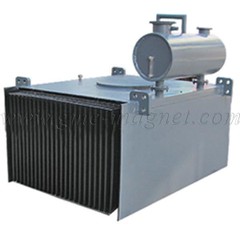
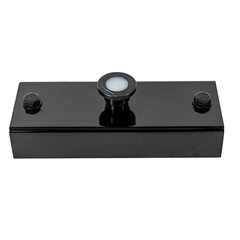
Even though magnets don't attract titanium, they play a critical role in removing ferrous contamination. Steel chips from tools, fixtures, or nearby machining processes can damage surface quality, affect tolerances, and contaminate coolant. Magnetic separators quietly remove these unwanted iron particles before they cause problems.
Typical Industrial Applications
You'll commonly see magnetic separation used in coolant filtration systems, chip conveyors, recycling lines, and material purity control in titanium machining environments.
FAQ
Q: Is titanium completely non-magnetic?
A: In practical terms, yes. Titanium is not ferromagnetic, so you won't see a normal magnet stick to it. Any tiny response you notice is usually too weak to matter in real use.
Q: Can titanium become magnetic over time?
A: No. Titanium does not "turn magnetic" with age, use, or exposure. What can change is surface contamination; iron particles can cling to the surface and fool a magnet test.
Q: Is Grade 5 titanium magnetic?
A: Grade 5 (Ti-6Al-4V) is also considered non-magnetic for everyday and engineering applications. Alloying elements don't create meaningful magnetic attraction.
Q: Why does my titanium ring stick slightly to a magnet?
A: Most often, it's not the titanium. The cause is usually stainless steel parts, plating, or iron residue from manufacturing or daily wear.
Q: Can magnets be used to separate titanium?
A: No. Magnets won't pull titanium itself. They're used to remove unwanted steel contamination around titanium processes.
Q: Is titanium safer than stainless steel in MRI environments?
A: Generally, yes. Titanium is preferred because it has minimal interaction with strong magnetic fields, though screening is still required.