











If you've ever wondered why a magnet sticks to a steel beam but not a soda can, it comes down to the metal itself. Magnetic metals like iron, nickel, and cobalt have electrons that line up and hold a magnetic pull, so magnets grip them tightly. Non-magnetic metals like aluminum, copper, and gold don't have that alignment, so magnets barely react to them. Even stainless steel isn't one simple answer; some grades are magnetic, others aren't. Knowing which is which helps you choose the right material for your next project.
What Makes a Metal Magnetic or Not?
It comes down to what's happening at the atomic level. Every metal has tiny electron "spins" that act like miniature magnets.

In magnetic metals like iron, nickel, and cobalt, these spins naturally line up in the same direction, creating a strong combined pull. In non-magnetic metals, such as aluminum or copper, those spins point in every direction and cancel each other out.
So when you hold a magnet near steel, and it grabs on immediately, you're seeing millions of aligned spins working together. Near a soda can, nothing happens because the metal's structure just isn't wired that way.
Magnetic vs Non-Magnetic Metals: Comparison Table
You can quickly compare the key differences between magnetic and non-magnetic metals by looking at their magnetic response, common materials, and typical applications.

|
Metal |
Magnetic |
Magnetic Type |
Corrosion Resistance |
Common Uses |
|
Iron |
Yes |
Ferromagnetic |
Low |
Structural beams, machinery parts |
|
Carbon Steel |
Yes |
Ferromagnetic |
Low to Moderate |
Construction, automotive frames |
|
Ferritic Stainless Steel |
Yes |
Ferromagnetic |
Good |
Kitchen appliances, trim |
|
Martensitic Stainless Steel |
Yes |
Ferromagnetic |
Moderate |
Cutlery, surgical tools |
|
Austenitic Stainless Steel |
No |
Non-magnetic |
Excellent |
Sinks, food equipment, marine hardware |
|
Nickel |
Yes |
Ferromagnetic |
Good |
Plating, coins, batteries |
|
Cobalt |
Yes |
Ferromagnetic |
Good |
Alloys, batteries, magnets |
|
Neodymium |
Yes |
Ferromagnetic |
Poor |
Motors, headphones, hard drives |
|
Aluminum |
No |
Paramagnetic |
Excellent |
Cans, aircraft parts, window frames |
|
Titanium |
No |
Paramagnetic |
Excellent |
Medical implants, aerospace |
|
Copper |
No |
Diamagnetic |
Good |
Wiring, plumbing, roofing |
|
Brass |
No |
Diamagnetic |
Good |
Fittings, musical instruments |
|
Zinc |
No |
Diamagnetic |
Moderate |
Galvanizing, die-casting |
|
Gold |
No |
Diamagnetic |
Excellent |
Jewelry, electronics contacts |
Common Magnetic Metals
Several metals and alloys show noticeable magnetic behavior, but their strength and practical use can vary depending on composition and structure.
Iron
Iron is naturally magnetic, and it's actually why the Earth itself behaves like a giant magnet, since its core is rich in iron. You'll find it in nails, tools, and machinery, all pulled to a magnet with zero effort.

Cobalt
Cobalt keeps its magnetism even when things heat up, which is why you'll find it in jet engines and industrial motors. It's also a key ingredient in some of today's strongest permanent magnets.
Nickel
Nickel has a gentler pull than iron or cobalt, so it's usually paired with them rather than used on its own. You'll notice it in coins, batteries, and the shiny plating on tools and fittings.
Carbon & Alloy Steel
Steel gets its magnetism from the iron mixed into it, so most car bodies, beams, and appliances stick to a magnet without any special treatment. Add enough other metals, though, and that pull can disappear.
Rare-Earth Alloys
Alloys like neodymium magnets and samarium cobalt magnets are the strongest magnets you can buy today, packing far more pull into a small piece than iron ever could. That's why they're inside your headphones, phone, and hard drive.
Common Non-Magnetic Metal
Many common metals show little or no noticeable attraction to ordinary permanent magnets, making them useful where low magnetic interference, conductivity, corrosion resistance, or lightweight design is important.
Aluminum
Aluminum barely responds to a magnet at all, which is why it's the metal of choice for cans, foil, and aircraft, where weight matters more than magnetism.

Copper
Copper won't stick to a magnet, but wave one over a copper pipe fast enough, and it actually slows down, thanks to the electrical currents it creates inside the metal.
Gold
Gold is non-magnetic in its pure form, which is one reason it's trusted for jewelry and electronics that need to stay contact-safe near magnets.
Silver
Silver behaves a lot like gold around magnets, staying completely unaffected, which is why you'll find it in fine jewelry and high-end electrical contacts.
Titanium
Titanium is strong enough for medical implants and jet engines, yet it has almost no reaction to a magnet, which keeps it safe near MRI machines.
Brass
Brass, a mix of copper and zinc, inherits copper's non-magnetic nature, making it a go-to for doorknobs, fittings, and musical instruments.
Lead
Lead won't budge near a magnet either, but its density makes it the material you'll find in radiation shielding and sound insulation.
Is Stainless Steel Magnetic?
Stainless steel can be magnetic or non-magnetic depending mainly on its crystal structure, alloy composition, and processing method.
Ferritic & Martensitic Stainless Steel
These grades, common in fasteners, machined parts, and structural components, contain little to no nickel, so their structure lets iron's natural magnetism through, meaning your equipment picks them up like ordinary steel, just with a slightly weaker pull.
Austenitic Stainless Steel
This is the grade behind most food-grade tanks, piping, and chemical processing equipment, where its higher nickel content cancels out the magnetic pull, letting it pass straight through magnetic separators and inspection systems undetected.
How to Test Whether a Metal Is Magnetic
You can start with a quick magnet check, then use a more accurate test when the material must meet a specific requirement.
Handheld Magnet Test
Place a small, clean magnet against a flat part of the metal. A strong pull usually means the material contains a magnetic steel or iron-based alloy.

No obvious pull often suggests aluminum, copper, brass, or some stainless steels. Test several spots, especially if the surface is coated, painted, or thin.
Permeability Testing
If you need a clearer result, you can ask for a permeability test. This helps when checking stainless steel or selecting parts for equipment affected by magnetism. Unlike a simple magnet check, it measures the metal's response to a magnetic field and gives you a more dependable result.
How Magnetic and Non-Magnetic Metals Are Used in Industry
Once you know whether a metal responds to a magnet, you can see why different materials suit very different industrial jobs.
Motors, Sensors & Industrial Components
You see magnetic steels and permanent magnets in motors, sensors, lifting tools, and machine parts where controlled movement or holding power matters.

Food Processing & Recycling
In food lines and recycling plants, magnets help you remove iron particles from products or mixed waste, while non-magnetic metals pass through.
Precast Concrete & Construction
For precast concrete and construction, you can use magnets to position formwork, secure fixtures, or recover steel, while aluminum offers lightweight, non-magnetic options.
Mineral Processing & Chemical Production
During mineral and chemical processing, you can use magnetic separation to remove iron contamination, protect equipment, and keep materials cleaner.
Turbines
In wind turbines, you may find powerful permanent magnets in generators, alongside non-magnetic alloys that handle heat, weight, or corrosion.

Electronics & Medical
In electronics and medical equipment, you need non-magnetic metals near sensitive devices, while magnetic materials support speakers, imaging systems, and precise controls.
How to Choose the Right Magnetic Solution for Your Application
You can choose the right magnetic solution by looking at what you need to hold, remove, separate, or control in your process.
When a Standard Permanent Magnet Is Suitable
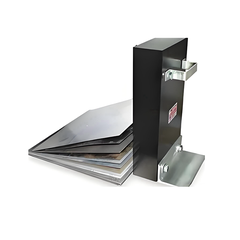
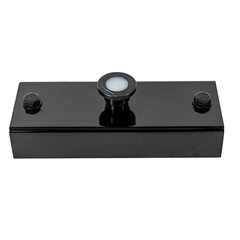
A standard permanent magnet works well when you need simple holding, positioning, closing, lifting, or sensing. You can choose the magnet shape, strength, and coating based on the working space, temperature, and surface condition.
When a Magnetic Separator Is Required
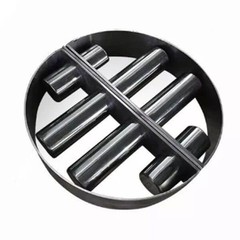
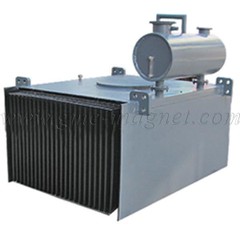
You need a magnetic separator when iron particles or ferrous debris must be removed from powders, granules, liquids, or recycled material. It helps protect downstream equipment and improve product cleanliness.
When Eddy Current Separation or Other Technology Is Needed
For non-ferrous metals such as aluminum, copper, and brass, a standard magnet is not enough. You may need eddy current separation or another method that matches the material and separation goal.
Conclusion
Magnetic and non-magnetic metals have different properties, so the right choice depends on how the material will be used. You can start with a simple magnet test to identify basic magnetic behavior, but remember that some metals, especially stainless steel, may respond differently depending on their grade or processing. Whether you need holding power, metal removal, or material separation, understanding this difference helps you select a solution that fits your application.
FAQ
Q: Is Aluminum Magnetic?
A: No. Aluminum is not attracted to a regular magnet, although it can interact with a changing magnetic field. This is why eddy current separators can help remove aluminum during recycling.
Q: Why Is 304 Stainless Steel Not Magnetic But 430 Is?
A: 304 stainless steel is usually non-magnetic because of its austenitic structure. 430 stainless steel has a ferritic structure, which makes it magnetic. Cold working can also give 304 a weak magnetic response.
Q: Can A Non-Magnetic Metal Become Magnetic?
A: Some metals can show temporary or weak magnetism when exposed to a magnetic field. Processing, such as bending or cold working, may also change the magnetic behavior of certain stainless steels.
Q: What's The Strongest Magnetic Metal?
A: Iron, cobalt, and nickel are the main naturally ferromagnetic metals. However, the actual magnetic strength depends on the alloy, shape, and manufacturing process.
Q: Which Type Of Magnet Is The Strongest: Neodymium Or Samarium Cobalt?
A: Neodymium magnets are generally stronger and more compact. Samarium-cobalt magnets perform better at high temperatures and resist corrosion more effectively.
Q: How Do Magnets Help Separate Metals In Recycling?
A: Magnetic separators attract iron and steel from mixed materials. For non-ferrous metals such as aluminum and copper, recycling facilities may use eddy current separation.

