















The magnet industry is vital in numerous technological applications, from everyday consumer products to advanced industrial machinery. Permanent magnets, in particular, are essential components that provide crucial magnetic properties for various devices and systems. Among these permanent magnets, the search for the strongest ones has been a continuous pursuit for scientists and engineers. In this article, we will research the importance of the strongest permanent magnets and delve into the advancements made in the magnet industry, focusing on the remarkable capabilities of neodymium iron boron (NdFeB) magnets.

Overview of the Magnet Industry
The magnet industry is a crucial sector that underpins various technological advancements and innovations across multiple fields. Magnets are fundamental in various applications, from small consumer electronics to large-scale industrial machinery. They provide essential magnetic properties that enable the functioning of devices and systems in numerous industries, including electronics, automotive, aerospace, energy, healthcare, and more.
Permanent magnets are particularly significant in the magnet industry due to their wide-ranging applications and long-term stability. They can be further categorized into different types based on their composition and magnetic properties. These include ferrite magnets, alnico magnets, samarium cobalt (SmCo) magnets, and neodymium iron boron (NdFeB) magnets.
Types of Permanent Magnets
Permanent magnets are classified into several types based on their composition, manufacturing process, and magnetic properties. Each magnet type exhibits unique characteristics that make it suitable for specific applications. Here are the main types of permanent magnets:
Ferrite Magnets
Ferrite magnets are composed of iron oxide (Fe3O4) combined with ceramic materials, such as strontium or barium. They are the most commonly used permanent magnets due to their low cost and good resistance to demagnetization. Ferrite magnets have low energy density but possess excellent corrosion resistance. They are widely used in loudspeakers, magnetic separators, refrigerator magnets, and DC motors.

Alnico Magnets
Alnico magnets are away from aluminum, nickel, cobalt, and small amounts of iron and other elements. The name "Alnico" is derived from the elements used in its composition. These magnets have high magnetic strength, good temperature stability, and excellent corrosion resistance. Alnico magnets are commonly used in instruments, meters, sensors, guitar pickups, and industrial applications that require high-temperature stability.

Samarium Cobalt (SmCo) Magnets
Samarium cobalt magnets comprise samarium, cobalt, and small amounts of iron and other elements. They possess high magnetic strength, excellent temperature stability, and corrosion resistance. SmCo magnets are known for retaining their magnetic properties at high temperatures, making them suitable for aerospace and high-temperature applications. They are also used in motors, sensors, magnetic couplings, and magnetic resonance imaging (MRI) systems.

Neodymium Iron Boron (NdFeB) Magnets
Neodymium iron boron magnets, known as NdFeB magnets, are the strongest commercially available permanent magnets. They are composed of a combination of neodymium, iron, boron, and traces of other elements. NdFeB magnets offer exceptional magnetic strength, high coercivity, and excellent magnetic stability. They have many applications, including electric motors, speakers, magnetic separators, MRI scanners, wind turbines, and various electronic devices.

NdFeB Magnets: The Strongest Permanent Magnets
NdFeB magnets are the strongest commercially available permanent magnets, short for neodymium iron boron magnets. They offer exceptional magnetic properties, making them highly sought after in various industries and technological applications. In this section, we will delve into NdFeB magnets' composition and manufacturing process, discuss their magnetic properties and strength, explore their applications in different industries, and highlight their advantages and disadvantages.
Composition and Manufacturing Process
NdFeB magnets are primarily composed of neodymium (Nd), iron (Fe), and boron (B). These magnets also contain small amounts of other elements, such as dysprosium (Dy) or praseodymium (Pr), which are added to enhance their magnetic properties and temperature stability. Combining these elements creates a crystalline structure that contributes to the remarkable magnetic strength of NdFeB magnets.

Magnetic Properties and Strength
NdFeB magnets possess remarkable magnetic properties, including high remanence (Br), high coercivity (Hc), and high energy product (BHmax). These properties contribute to their exceptional magnetic strength. NdFeB magnets have a magnetic field strength significantly stronger than other permanent magnets, allowing them to generate strong magnetic fields.
The energy product of NdFeB magnets, measured in megagauss-oersteds (MGOe) or joules per cubic meter (J/m^3), is one of the highest among permanent magnets. This high-energy product enables NdFeB magnets to store and deliver substantial magnetic energy.

Significance of the Strongest Permanent Magnets
The pursuit of developing the strongest permanent magnets has significant implications and offers several benefits across various industries and technological applications. Here are some principal reasons highlighting the significance of the strongest permanent magnets:
Enhanced Performance:
The strongest permanent magnets, such as neodymium iron boron (NdFeB), offer superior magnetic properties regarding strength, magnetic flux density, and energy product. Their exceptional magnetic strength allows for more efficient and robust operation in devices and systems. This enhanced performance translates into improved functionality, higher efficiency, and better overall system performance.
Miniaturization and Space Optimization:
Strong permanent magnets enable the design and development of smaller, more compact devices and systems. Their high magnetic strength generates the same magnetic field with less material, resulting in reduced size and weight. This miniaturization is especially critical in industries like electronics, where there is a constant drive for smaller, more portable devices without compromising performance.
Increased Energy Efficiency:
Using the strongest permanent magnets contributes to enhanced energy efficiency in various applications. Devices and systems utilizing these magnets require less input power to achieve the desired magnetic field, reducing energy consumption. This energy efficiency is particularly beneficial in sectors like electric vehicles, renewable energy, and industrial machinery, where minimizing energy losses and optimizing performance is paramount.
Advancements in Renewable Energy:
Strong permanent magnets have revolutionized the renewable energy sector, particularly wind turbine technology. Neodymium-based magnets enable the development of compact and efficient generators for wind turbines, improving the overall efficiency and power output. By harnessing the power of the strongest magnets, wind energy can be effectively converted into electricity, contributing to a cleaner and more secure energy future.
High-Performance Motors:
The strongest permanent magnets play a crucial role in developing high-performance electric motors. In applications ranging from electric vehicles to robotics and industrial machinery, these magnets enable motors with higher power density, increased torque, and improved efficiency. This results in improved performance, extended range, and reduced energy consumption in electric and hybrid vehicles.
Technological Advancements:
The availability of the strongest permanent magnets has led to technological advancements and innovations in various industries. Their utilization has opened up new possibilities in magnetic resonance imaging (MRI), aerospace, magnetic levitation systems, and more. These magnets enable the development of cutting-edge technologies and solutions that were previously unachievable, driving progress and pushing the confines of what is possible.
Application of Permanent Magnets
Permanent magnets are essential components that have found widespread applications across various industries. These magnets possess a remarkable property of retaining their magnetism over a long period, making them highly useful in numerous technological and industrial applications.

1. Electric Motors and Generators:
One of the primary applications of permanent magnets is in electric motors and generators. Permanent magnet motors offer high efficiency, compact size, and enhanced performance. They are widely used in electric vehicles, industrial machinery, appliances, and robotics.
2. Magnetic Resonance Imaging (MRI):
The medical field greatly benefits from the application of permanent magnets in Magnetic Resonance Imaging (MRI) technology. MRI machines employ strong magnetic fields created by powerful permanent magnets to generate detailed images of the human body's internal structures.
3. Consumer Electronics:
Permanent magnets are an integral part of numerous consumer electronic devices we use daily. They are found in speakers, headphones, and microphones, converting electrical signals into sound waves and vice versa.
4. Renewable Energy:
The growing emphasis on renewable energy sources has led to increased utilization of permanent magnets in the field of clean energy. Permanent magnet generators are commonly employed in wind turbines to convert wind energy into electrical power.
5. Magnetic Separators:
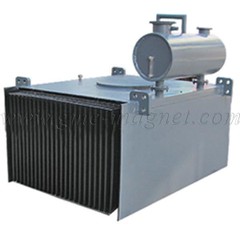
Permanent magnets are extensively used in magnetic separators to separate and remove ferrous materials from various substances. They are employed in industries such as mining, recycling, and food processing.
6. Transportation and Aerospace:
The transportation and aerospace sectors also benefit from the application of permanent magnets. In the automotive industry, magnets are utilized in electric power steering systems, hybrid vehicles, and regenerative braking systems.
Recent Advances in NdFeB Magnet Technology
NdFeB magnets have significantly improved their magnetic properties, manufacturing processes, and applications in recent years. This section explores some of the notable advancements in NdFeB magnet technology, highlighting the following areas: grain boundary diffusion technology, hot deformation and rapid cooling techniques, nanostructured NdFeB magnets, hybrid and composite magnets, and the impact of these advancements on the magnet industry and various applications.
Grain boundary diffusion technology
Grain boundary diffusion technology involves introducing heavy rare earth elements, such as dysprosium (Dy) or terbium (Tb), through a diffusion process into the grain boundaries of NdFeB magnets. This technique helps improve the thermal stability and coercivity of the magnets, enabling them to maintain their magnetic properties at high temperatures. Grain boundary diffusion technology has been instrumental in enhancing the performance and reliability of NdFeB magnets, making them suitable for demanding applications in motors, generators, and other high-temperature environments.
Hot deformation and rapid cooling techniques
Hot deformation and rapid cooling techniques involve subjecting the NdFeB magnet material to high temperatures, followed by controlled deformation and rapid cooling. These processes refine the microstructure of the magnets, resulting in improved magnetic properties. Hot deformed NdFeB magnets exhibit enhanced coercivity, higher remanence, and improved temperature stability than conventional magnets. This advancement has paved the way for the developing of high-performance NdFeB magnets that can withstand extreme operating conditions.
Challenges in the Magnet Industry
The magnet industry faces several challenges that impact magnets' production, sustainability, and competitiveness. In this section, we will talk about some key challenges the magnet industry faces, including raw material availability and sustainability, environmental concerns and recycling, manufacturing challenges and costs, and intellectual property and competition.
Raw Material Availability and Sustainability
One of the significant challenges in the magnet industry is the availability and sustainability of raw materials, particularly rare earth elements (REEs) used in producing high-performance magnets like NdFeB magnets. Due to their unique magnetic properties, REEs, such as neodymium and dysprosium, are crucial components in magnets. However, their extraction and processing present environmental concerns, and the supply chain for these materials can be subject to geopolitical issues. Ensuring a stable and sustainable supply of raw materials is crucial for the magnet industry to meet the growing demand for magnets in various applications.

Environmental Concerns and Recycling
The magnet industry faces environmental challenges related to extracting, processing, and disposing of magnet materials. The production of magnets, especially NdFeB magnets, involves using hazardous chemicals and generating waste materials. Additionally, mining rare earth minerals can have environmental impacts, including habitat destruction and water pollution. Proper disposal and recycling of magnets are important to minimize the industry's environmental footprint. Developing efficient recycling processes for magnets can help recover valuable materials and reduce the need for new mining, promoting sustainability in the industry.
Manufacturing challenges and costs
Manufacturing magnets, particularly high-performance magnets like NdFeB magnets, involves complex processes and stringent quality control measures. The manufacturing of magnets requires specialized equipment, expertise, and precise control of various parameters, such as temperature, composition, and magnetic alignment. These factors contribute to the overall manufacturing costs. The magnet industry is challenged to optimize manufacturing processes to improve efficiency, reduce costs, and maintain consistent quality.
Conclusion
In conclusion, the magnet industry is crucial in various technological applications and industries. Permanent magnets, particularly the strongest permanent magnets such as NdFeB magnets, have revolutionized numerous sectors with their remarkable magnetic properties. Throughout this article, we explored the magnet industry, the significance of permanent magnets, the types of permanent magnets, recent advancements in NdFeB magnet technology, and the challenges faced by the industry.
The magnet industry has witnessed remarkable advancements in recent years. Techniques such as grain boundary diffusion, hot deformation, rapid cooling, and the development of nanostructured and hybrid magnets have significantly improved NdFeB magnets' magnetic properties and performance.